
Kraft Heinz’s Strategic Shift: Can Smarter M&A Salvage Growth in a Slumping Packaged Foods Market?
The packaged foods industry is in a slump, with stagnant demand and inflation squeezing margins. Yet amid this gloom, Kraft Heinz (KHC) is placing its bets on a bold strategy: small, targeted acquisitions to carve out a niche in high-growth segments like better-for-you snacks and functional beverages. But is this approach enough to revive a company burdened by debt and declining sales? Let’s dissect the moves, the risks, and why now could be the time to bet on its turnaround.
The Bolt-On Play: Smarter Capital Allocation or Desperation?
Kraft Heinz’s recent M&A playbook is a stark departure from its 2015 $50 billion merger with Heinz—a deal that loaded it with unsustainable debt. Today, the focus is on “bolt-on” acquisitions, smaller deals to plug gaps in its portfolio or expand into rising categories. CFO Andre Maciel has been clear: the goal is to “strengthen and accelerate organic growth” without overextending financially.
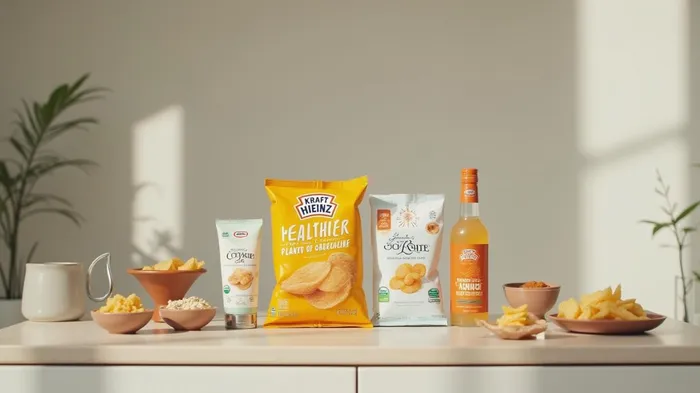
While specifics of 2023-2025 acquisitions are sparse, the strategy is evident in moves like its Claussen-branded Just The Brine (launched in 2024). This electrolyte-infused pickle brine targets health-conscious millennials, doubling as a cocktail mixer and recovery drink. It’s a clever pivot into functional beverages—a $174B market by 2030—without requiring a large acquisition.
Why Smaller Deals Make Sense (For Now)
The industry is shifting. Mega-deals like Mars’ $36B acquisition of Pringles-maker Kellanova or PepsiCo’s $1.2B purchase of Siete Foods have dominated headlines. But Kraft Heinz’s constrained cash flow and $30B debt load leave it no room for such gambles. Instead, it’s adopting a “string of pearls” strategy, akin to Hershey’s salty-snack acquisitions (Dot’s Pretzels, Pirate’s Booty) or Molson Coors’ moves into energy drinks.
The key advantage? Lower risk, higher agility. Bolt-ons let Kraft HeinzKHC-- test demand for healthier snacks or functional drinks without overleveraging. For instance, its 2021 $100M stake in Middle Eastern food brand Assan Foods expanded its reach into ethnic markets—a segment growing at 6% annually—without committing fully.
The Elephant in the Room: Debt and Declining Sales
Kraft Heinz’s balance sheet remains a liability. Its debt-to-equity ratio hovers near 10x, and 2025 Q1 results showed a 6.4% sales drop and a 10.6% EPS decline, driven by sluggish demand for core brands like Lunchables. Critics argue that bolt-ons can’t fix structural issues like these.
But here’s the counterargument: the strategy is working in stages. By focusing on categories with 15-20% growth (e.g., plant-based snacks), it’s positioning itself for a rebound when packaged foods stabilize. Meanwhile, its cost-cutting—$1B in savings since 2022—buys time to navigate the downturn.
Why This Could Pay Off in 2025—and Beyond
- Health Trends Are Unstoppable: Consumers are prioritizing wellness, and functional beverages (electrolyte drinks, probiotic sodas) are booming. Kraft Heinz’s Claussen brand, with its cult-favorite pickles, has instant equity to leverage in this space.
- M&A Rebound is Coming: Analysts predict a 40% surge in food-sector M&A this year as lower interest rates ease financing costs. Kraft Heinz could capitalize on undervalued targets in its focus areas.
- Dividend Discipline: Despite headwinds, it’s maintained a 2.5% dividend yield, signaling confidence in its liquidity.
Investment Thesis: Buy the Dip—But Keep an Eye on Debt
Kraft Heinz is not a high-growth juggernaut. But at 14x forward P/E—below its five-year average and peers like Campbell Soup (20x)—it offers a value play if bolt-ons succeed. The stock’s 25% decline since 2020 has priced in most bad news.
Risks: A prolonged downturn in packaged foods, rising interest rates, or a misstep in M&A could reignite debt fears.
Action: Accumulate KHC now, but set tight stops. Use dips below $10 (a 20% discount to its 52-week high) as buying opportunities.
Final Verdict: A Strategic Gamble Worth Taking
Kraft Heinz’s M&A pivot isn’t a cure-all, but it’s a strategic hedge against its stagnating core business. With disciplined capital allocation and a focus on rising categories, it’s positioning itself to outlast the slump. For investors willing to endure short-term pain, this could be a multi-year winner.
Act now—before the M&A rebound lifts this stock off the mat.





Comentarios
Aún no hay comentarios