
Korean Lenders to Clean Up Bulk of Property Loans Amid Turmoil
Generado por agente de IAEli Grant
jueves, 19 de diciembre de 2024, 2:25 am ET2 min de lectura
KB--
The Korean property market is facing a period of uncertainty, with lenders taking proactive measures to mitigate risks and align with global standards. As the economic climate shifts towards sustainability, Korean lenders are focusing on property loan portfolios to reduce negative societal impact and manage risks. This article explores the current turmoil in the Korean property market, the measures lenders are taking to address it, and the role of regulatory pressures and risk management strategies in this process.
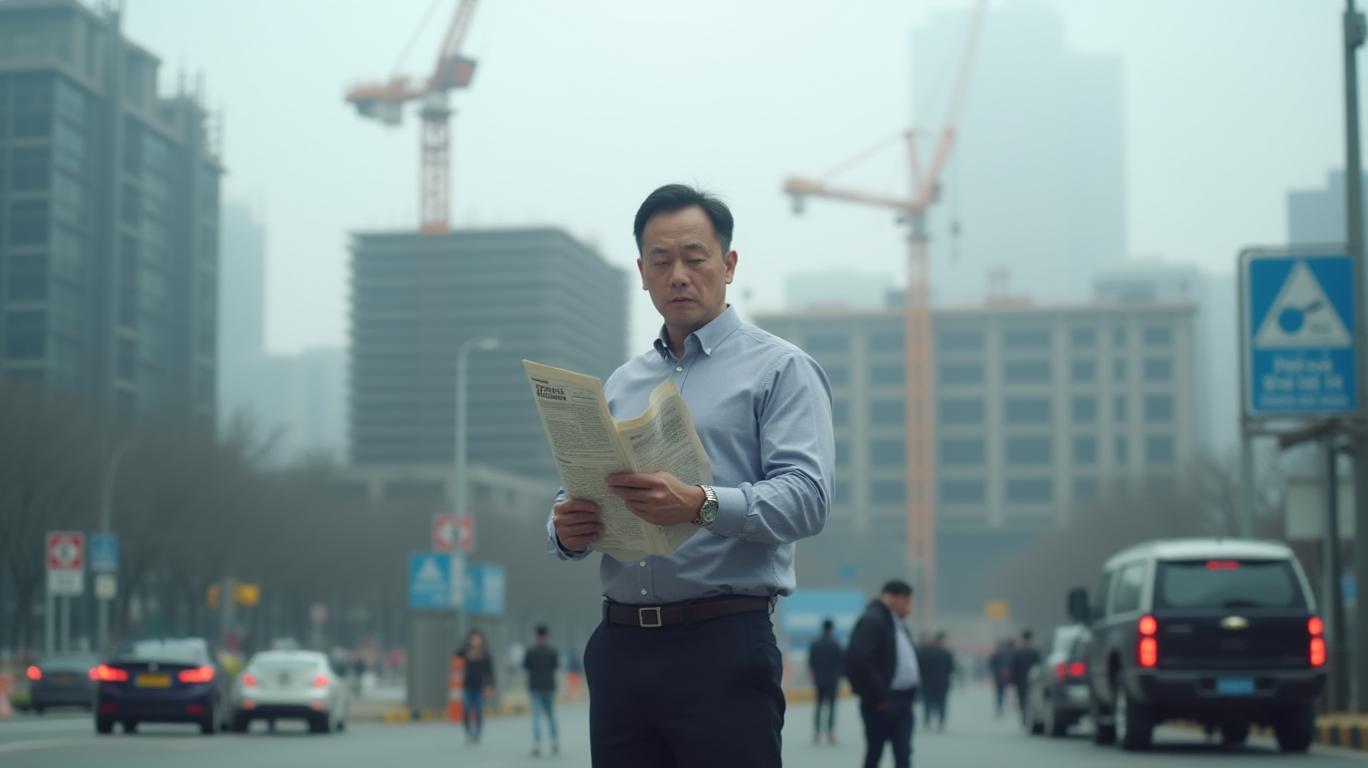
The turmoil in the Korean property market is impacting the creditworthiness of borrowers, with delinquencies on property loans rising. According to the Financial Supervisory Service, the delinquency rate for property loans reached 0.64% in Q2 2022, up from 0.47% in Q1. Lenders are adjusting their lending criteria in response, with KB Kookmin Bank and Shinhan Bank tightening their standards for new loans. KB Bank has increased the minimum down payment for new loans to 30% and reduced the maximum loan-to-value ratio to 60%. Shinhan Bank has also raised the minimum down payment and reduced the maximum loan term. These changes aim to mitigate risks and ensure borrowers' ability to repay loans.
Regulatory pressures are a significant driver for Korean lenders to clean up their property loan portfolios. In 2024, the Financial Services Commission (FSC) introduced stricter lending standards, requiring banks to maintain a minimum capital adequacy ratio of 14% for property loans (up from 10%). This regulation aims to reduce systemic risks and prevent a repeat of the 1997 Asian financial crisis. Additionally, the Bank of Korea has been raising interest rates to combat inflation, making property loans more expensive and encouraging lenders to diversify their portfolios. These regulatory measures have pushed Korean banks to reduce their exposure to the property sector, with KB Financial Group announcing plans to cut its property loan portfolio by 10% by 2025.
Korean lenders are increasingly focusing on property loan portfolios as part of their risk management strategies. This shift is driven by the growing demand for sustainable finance and the need to align with global market standards. In 2024, three major financial groups - Shinhan, KB, and Hana - signed the "Principles for Responsible Banking," committing to protect the environment, reduce negative societal impact, and enhance transparency (Source: Number 0). This move is supported by growing investor demand for ESG (environmental, social, and governance) bonds, which have seen a 10-fold increase in issuance over the past three years (Source: Number 0). By focusing on property loan portfolios, Korean lenders can manage risks associated with unsustainable practices and capitalize on new business opportunities, such as financing renewable energy projects.
In conclusion, the turmoil in the Korean property market is pushing lenders to clean up their property loan portfolios. Regulatory pressures, risk management strategies, and the growing demand for sustainable finance are driving this shift. As lenders adapt to the changing economic climate, they are not only managing risks but also presenting new business opportunities and enhancing corporate governance. The future of the Korean property market depends on the ability of lenders to navigate these challenges and align with global market standards.
The Korean property market is facing a period of uncertainty, with lenders taking proactive measures to mitigate risks and align with global standards. As the economic climate shifts towards sustainability, Korean lenders are focusing on property loan portfolios to reduce negative societal impact and manage risks. This article explores the current turmoil in the Korean property market, the measures lenders are taking to address it, and the role of regulatory pressures and risk management strategies in this process.
The turmoil in the Korean property market is impacting the creditworthiness of borrowers, with delinquencies on property loans rising. According to the Financial Supervisory Service, the delinquency rate for property loans reached 0.64% in Q2 2022, up from 0.47% in Q1. Lenders are adjusting their lending criteria in response, with KB Kookmin Bank and Shinhan Bank tightening their standards for new loans. KB Bank has increased the minimum down payment for new loans to 30% and reduced the maximum loan-to-value ratio to 60%. Shinhan Bank has also raised the minimum down payment and reduced the maximum loan term. These changes aim to mitigate risks and ensure borrowers' ability to repay loans.
Regulatory pressures are a significant driver for Korean lenders to clean up their property loan portfolios. In 2024, the Financial Services Commission (FSC) introduced stricter lending standards, requiring banks to maintain a minimum capital adequacy ratio of 14% for property loans (up from 10%). This regulation aims to reduce systemic risks and prevent a repeat of the 1997 Asian financial crisis. Additionally, the Bank of Korea has been raising interest rates to combat inflation, making property loans more expensive and encouraging lenders to diversify their portfolios. These regulatory measures have pushed Korean banks to reduce their exposure to the property sector, with KB Financial Group announcing plans to cut its property loan portfolio by 10% by 2025.
Korean lenders are increasingly focusing on property loan portfolios as part of their risk management strategies. This shift is driven by the growing demand for sustainable finance and the need to align with global market standards. In 2024, three major financial groups - Shinhan, KB, and Hana - signed the "Principles for Responsible Banking," committing to protect the environment, reduce negative societal impact, and enhance transparency (Source: Number 0). This move is supported by growing investor demand for ESG (environmental, social, and governance) bonds, which have seen a 10-fold increase in issuance over the past three years (Source: Number 0). By focusing on property loan portfolios, Korean lenders can manage risks associated with unsustainable practices and capitalize on new business opportunities, such as financing renewable energy projects.
In conclusion, the turmoil in the Korean property market is pushing lenders to clean up their property loan portfolios. Regulatory pressures, risk management strategies, and the growing demand for sustainable finance are driving this shift. As lenders adapt to the changing economic climate, they are not only managing risks but also presenting new business opportunities and enhancing corporate governance. The future of the Korean property market depends on the ability of lenders to navigate these challenges and align with global market standards.

Divulgación editorial y transparencia de la IA: Ainvest News utiliza tecnología avanzada de Modelos de Lenguaje Largo (LLM) para sintetizar y analizar datos de mercado en tiempo real. Para garantizar los más altos estándares de integridad, cada artículo se somete a un riguroso proceso de verificación con participación humana.
Mientras la IA asiste en el procesamiento de datos y la redacción inicial, un miembro editorial profesional de Ainvest revisa, verifica y aprueba de forma independiente todo el contenido para garantizar su precisión y cumplimiento con los estándares editoriales de Ainvest Fintech Inc. Esta supervisión humana está diseñada para mitigar las alucinaciones de la IA y garantizar el contexto financiero.
Advertencia sobre inversiones: Este contenido se proporciona únicamente con fines informativos y no constituye asesoramiento profesional de inversión, legal o financiero. Los mercados conllevan riesgos inherentes. Se recomienda a los usuarios que realicen una investigación independiente o consulten a un asesor financiero certificado antes de tomar cualquier decisión. Ainvest Fintech Inc. se exime de toda responsabilidad por las acciones tomadas con base en esta información. ¿Encontró un error? Reportar un problema


SOBRE NOSOTROS
Nuestra historiaAutores de noticiasBase de conocimientosPolítica de privacidadTérmino de usoDescargo de responsabilidad de corretaje de tercerosTérminos de uso de AIMEDivulgaciones de riesgos de AInvest AICarrerasCONTÁCTENOS
Email: support@ainvest.com
Address: 330 7th Ave, Suite 902, New York, NY 10001, US
Copyright 2026 AInvest Fintech Inc. All rights reserved.


Comentarios
Aún no hay comentarios