
Korean Crypto Investors Shift to Long-Term Strategies, 27% of Population Now Hold Virtual Assets
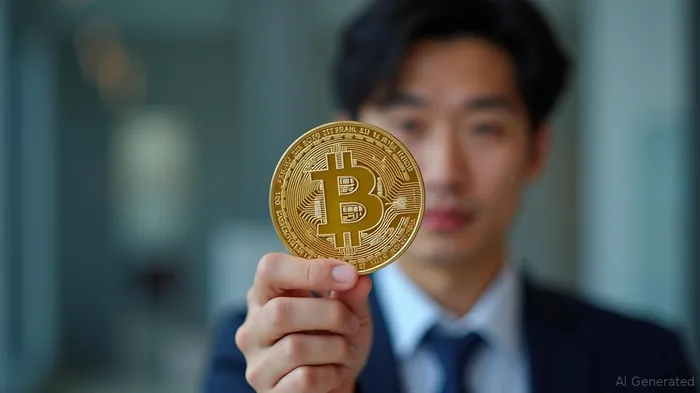
Over 10 million Koreans, representing 27% of the population aged 20 to 50, now hold cryptocurrencies, with BitcoinBTC-- being the dominant asset in their portfolios. This shift indicates a growing acceptance of virtual assets as a core component of financial strategies, particularly for retirement planning. The Hana Financial Research Institute's study, which surveyed 1,000 financial consumers, revealed that virtual assets now constitute 14% of their total financial portfolios, a significant increase from previous years.
The behavior of Korean crypto investors has evolved from short-term speculation to more disciplined, long-term investment strategies. The survey found that 34% of investors now make regular, incremental crypto purchases, up from 10% in previous years. Mid-term holdings, defined as several months to a year, have risen sharply from 26% to 47%, while short-term speculative trading has decreased from 48% to 45%. This trend reflects a broader acceptance of crypto as a credible financial asset, driven by concerns over inflation and pension security.
Cryptocurrency is increasingly being seen as a viable option for retirement planning. Among investors in their 50s, 78% use crypto to build large savings, with 53% specifically preparing for retirement. Across all age groups, 40% cited retirement as a key motivator for their crypto investments, more than double the number who invest for fun or trends. This shift is particularly relevant for a nation grappling with pension reform and an aging population, highlighting the growing confidence in crypto as a hedge against future uncertainties.
Bitcoin remains the most popular cryptocurrency among Korean investors, with 60% holding it as either a primary or supporting asset. Most investors own at least two coins, and diversification into altcoins or stablecoins increases with experience. However, NFTs and security tokens remain relatively niche, with 90% of investors sticking solely to cryptocurrencies. This trend is consistent with global behavior, where Bitcoin often serves as the entry-level product to a more sophisticated ecosystem.
There is a growing demand for traditional financial institutions to play a more significant role in the crypto market. 42% of respondents indicated that greater participation from banks would make them more inclined to invest, while 35% would be swayed by more legal protections and oversight. This shift suggests a maturing market where investors seek safer infrastructure, friendlier on-ramps, and reliable institutions to support their crypto investments.
Underlying economic pressures, particularly among younger Koreans, are also driving the surge in crypto investments. The unemployment rate for young South Koreans is 6.6%, more than double the national average. Skyrocketing housing costs and stagnant wages have made traditional pathways to wealth inaccessible for many in their 20s and 30s. Crypto, with its promise of outsized returns, has emerged as a legitimate but volatile alternative for financial growth. For many, it is not just about tech enthusiasm or Web3 values; it is a lifeline in a challenging economic landscape.
To meet the increasing demand and reduce friction in the crypto investment ecosystem, Korea needs to build and evolve its infrastructure. Recommendations include diversifying virtual asset financial products, enhancing integrated investment management tools, encouraging deeper collaboration between traditional financial institutions and crypto firms, and introducing more robust regulatory frameworks to protect investors without stifling innovation. This evolution is crucial for sustaining the growth and maturity of the crypto market in South Korea.







Comentarios
Aún no hay comentarios