
Korea Blockchain Week 2025 Highlights Crypto's Cultural and Community Impact
Korea Blockchain Week 2025 showcased the growing influence of culture and community in the global development of cryptocurrency. The event brought together key stakeholders to discuss how decentralized technologies are reshaping digital economies and fostering new forms of collaboration. Participants emphasized the importance of inclusive and culturally sensitive approaches to crypto adoption.
The week-long event highlighted how blockchain is being integrated into cultural and social frameworks across Asia. Discussions centered on how community-driven initiatives can enhance transparency and trust in digital asset ecosystems. Experts noted the increasing role of local narratives in global crypto trends.
South Korea's regulatory landscape continues to evolve in response to rapid advancements in the crypto space. The country is preparing to introduce stricter oversight measures to address price manipulation and ensure fair trading practices according to reports. These steps reflect a broader effort to align crypto governance with traditional financial frameworks.
How Are Cultural and Community Factors Reshaping Crypto Trends?
Cultural context plays a significant role in the adoption and use of cryptocurrency. During Korea Blockchain Week, speakers highlighted how community-driven platforms are fostering trust and transparency in digital markets. These platforms are enabling new forms of economic collaboration and financial inclusion.
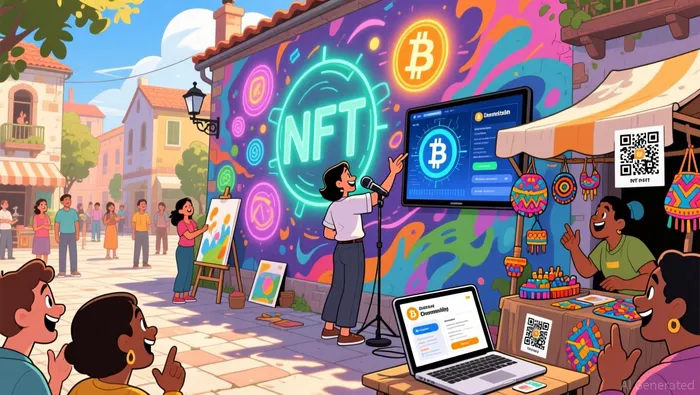
Community engagement has become a key driver of crypto innovation. Events like Korea Blockchain Week provide a platform for developers, investors, and regulators to share insights on sustainable growth strategies. The emphasis on localized solutions reflects a shift toward more inclusive financial ecosystems.
Blockchain technology is also being used to preserve and promote cultural heritage. Projects leveraging NFTs and tokenized assets are creating new revenue streams for artists and creators. These initiatives are helping to bridge the gap between traditional and digital economies.
What Regulatory Measures Are Emerging in the Crypto Space?
South Korea is taking steps to strengthen its regulatory oversight of cryptocurrency markets. The Financial Services Commission (FSC) is considering measures to freeze suspected manipulative accounts before illicit gains can be laundered. This approach mirrors existing tools used in traditional securities markets.
Regulators are also focusing on expanding liability requirements for crypto exchanges. The FSC is exploring measures that would hold platforms accountable for losses stemming from security breaches or operational failures. These proposals are part of a broader effort to protect investors and ensure market integrity.
In addition, tax authorities are asserting their reach into the crypto space. The National Tax Service has clarified its authority to conduct searches and seize offline storage devices in cases of suspected tax evasion. These developments underscore the growing alignment between crypto regulation and traditional financial oversight.
What Market Trends Are Emerging in 2026?
Market trends in 2026 indicate a shift in how crypto wallets are being used. Bitget Wallet data shows that users are increasingly using crypto for everyday spending, rather than just trading according to data. This trend reflects the growing utility of digital assets in daily financial transactions.
Decentralized finance (DeFi) continues to expand, with total value locked reaching record levels in Q3 2025. The sector is expected to see further growth as platforms work to improve liquidity and execution quality. Analysts believe that institutional-grade infrastructure will be critical to sustaining this momentum.
Bitcoin is set to record its first annual loss since 2022, driven by macroeconomic pressures and regulatory uncertainty. The cryptocurrency reached a record high in early October but has since fallen sharply, reflecting broader market volatility. Analysts are watching how new regulatory frameworks and institutional participation will shape the market in 2026.
The U.S. is also moving toward greater clarity in the crypto space. Morgan Stanley has filed for Bitcoin and Solana ETFs, signaling a shift in how traditional financial institutions are engaging with digital assets. These developments could help bridge the gap between crypto and traditional finance.
South Korea is also adjusting its visa policies to support inbound tourism. The country has extended its visa processing fee waiver for group tourists from several Asian countries until June 2026. This move is expected to boost the tourism sector and support economic recovery.
What Are the Key Takeaways for Investors?
Investors are paying close attention to regulatory developments and market structure shifts in the crypto space. The alignment of crypto regulations with traditional finance standards is likely to have significant implications for market participants. Clearer frameworks could reduce uncertainty and attract more institutional capital.
Liquidity concentration is also a key concern for market participants. Experts warn that regulatory changes and institutional demand could reshape trading venues and execution models in 2026. These developments could impact how traders access and manage digital assets.
Crypto-native tools are helping to simplify market engagement. KuCoin's KIA AI, for example, is designed to help users access insights and make informed decisions. These innovations are expected to play a growing role in mainstream adoption.
As the global crypto ecosystem continues to evolve, the interplay between regulation, market structure, and investor behavior will shape the industry's trajectory. South Korea's approach to balancing innovation and oversight offers a valuable case study for other markets.






Comentarios
Aún no hay comentarios