
Kohl's Q2 Earnings Miss: Can This Retailer Turn the Tide?
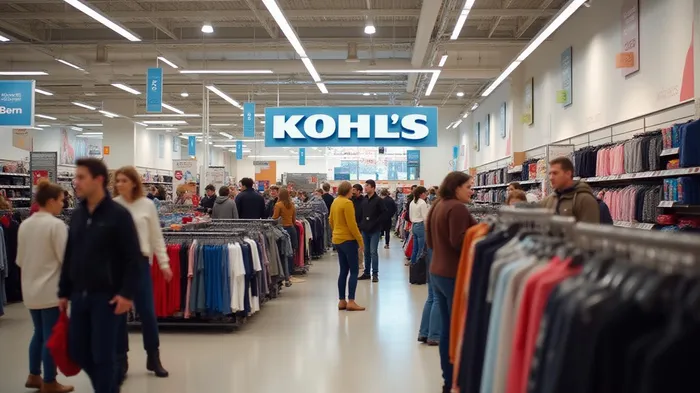
Investors, buckleBKE-- up. Kohl’s (KSS) is about to face its next big test with the May 29 Q1 2025 earnings report, and the stakes couldn’t be higher. The retail sector is a minefield of tariffs, inflation, and digital disruption, and Kohl’s fundamentals are showing cracks. But is this a buy-the-dip opportunity or a warning sign to run? Let’s break it down.
Kohl’s Fundamentals: Lagging Behind the Pack
The numbers scream caution. Kohl’s operating cash flow dropped to $648 million in fiscal 2024, down from $1.17 billion the prior year, while net sales fell 7.2% to $15.4 billion. Compare this to Macy’s, which, despite its own struggles, saw luxury divisions like Bloomingdale’s deliver 6% comparable sales growth. Meanwhile, Target’s digital sales rose 8.7% in Q4 2024, and Walmart’s U.S. e-commerce business turned profitable in Q1 2026.
Kohl’s has slashed its dividend to $0.125 per share, a 75% cut from 2024, signaling deep financial strain. Its balance sheet isn’t helping either: $9.76 billion in liabilities versus $3.8 billion in equity leaves little room for error.
Near-Term Risks: A Perfect Storm
1. Tariff Headaches: Like its peers, Kohl’s is stuck with 30% tariffs on Chinese imports, which now account for 50% of its merchandise. The CEO warned these costs could force price hikes by late summer—bad news for a retailer already struggling with 4-6% comparable sales declines.
2. The Earnings Miss: Analysts expect Kohl’s to report a $0.10–$0.60 diluted EPS, down from $0.98 in Q1 2024. If sales miss even slightly, shares could crater. Remember, Target’s Q1 report saw its stock drop 8% on a 3.8% comparable sales decline—and Kohl’s has deeper wounds.
3. The “Value” Trap: While Kohl’s competes on price, discount retailers like Walmart and Target are eating its lunch. Walmart’s $1–$5 seasonal items and Target’s same-day delivery surcharges are luring price-sensitive shoppers away.
Long-Term Catalysts: Can Kohl’s Turn It Around?
1. Store Optimization: Kohl’s is closing underperforming stores and focusing on 125 “go-forward” locations. Macy’s similar strategy boosted luxury sales—could this work for Kohl’s?
2. E-Commerce Push: The company aims for 20% e-commerce growth, but it’s lagging behind peers. Walmart’s e-commerce now grows at 21–22% annually—if Kohl’s can match that, it could stabilize margins.
3. Cost Discipline: Kohl’s $400–425 million capital spend is half of Walmart’s, but every dollar must count. A leaner inventory and renegotiated vendor deals could improve margins.
4. Strategic Partnerships: Like Macy’s kate spade collaboration, Kohl’s could boost its brand with high-margin partnerships. Its home goods and apparel lines are a starting point.
The Bottom Line: Buy the Dip or Bail?
Kohl’s is a high-risk, high-reward play. The stock trades at a P/E of 8.5, below its 5-year average of 15, but that’s because earnings are collapsing. If Kohl’s can deliver on its operating margin guidance of 2.2–2.6%, and stabilize sales, this could be a steal.
But the red flags are glaring: tariffs, weak cash flow, and a dividend cut suggest management is fighting for survival, not growth. If the Q1 report misses badly, the stock could test $10—a 30% drop from here.
Action Plan:
- Aggressive Investors: Buy now at $14.50, but set a $12 stop-loss. If sales beat estimates, this could surge to $18.
- Wait-and-See: Hold off until the earnings report. If they surprise with a 3% sales beat, buy aggressively.
The retail sector is brutal, but Kohl’s has the scale to survive—if it can execute its turnaround. This isn’t a “buy and hold” stock—this is a high-stakes gamble. Only take it if you’ve got the stomach for volatility.
Final Verdict: Kohl’s is a sell on strength ahead of earnings, but a buy the dip candidate if the report shows fire under the company’s turnaround. Stay tuned!







Comentarios
Aún no hay comentarios