
Kodak's Pension Windfall: Unlocking Value or a Taxing Dilemma?
Generado por agente de IAWesley Park
lunes, 25 de noviembre de 2024, 11:20 am ET1 min de lectura
IBM--
KODK--
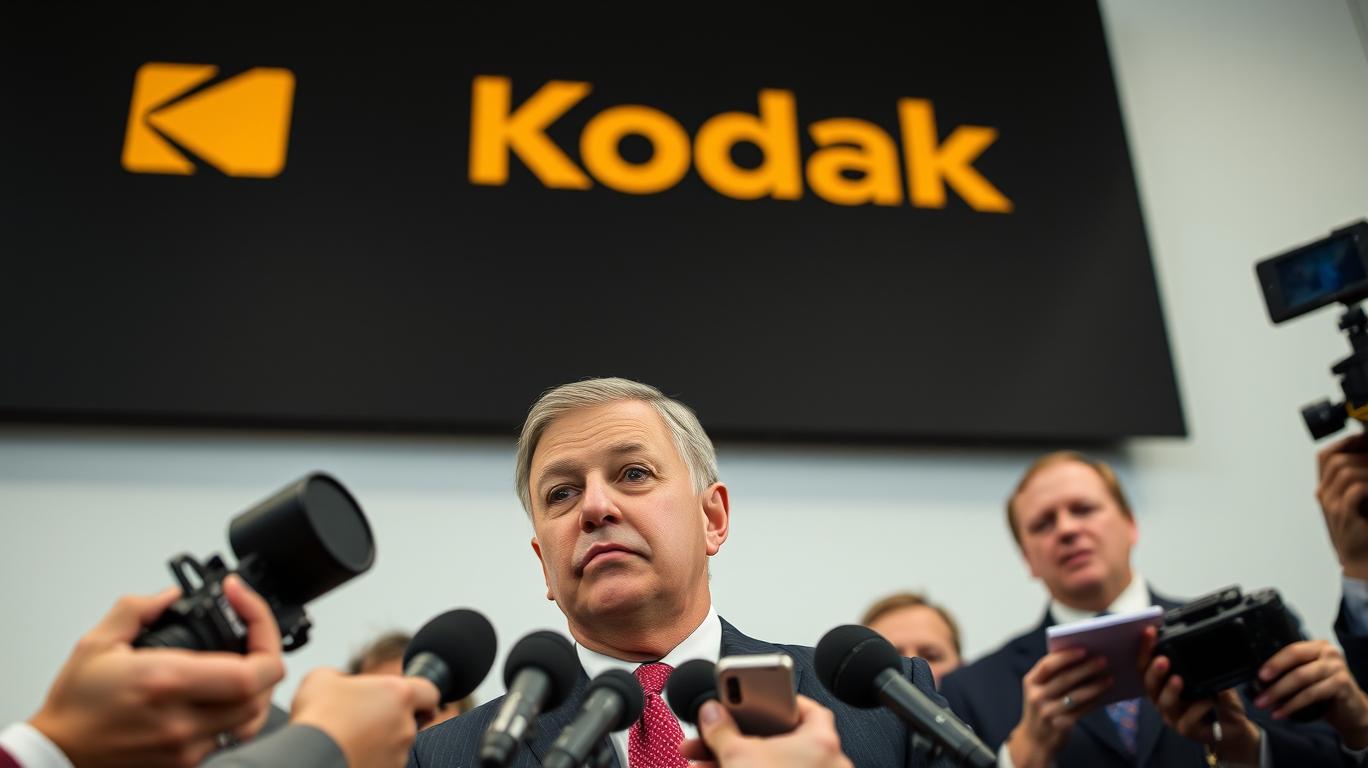
Kodak, once a dominant force in the photography industry, is set to terminate its U.S. pension plan, potentially booking a gain of more than $500 million. This windfall, a result of buoyant markets and rising rates, presents both opportunities and challenges for the struggling company. Kodak's pension surplus, almost triple its market value, is part of a larger trend among corporations with defined-benefit plans. According to Mercer, companies in the S&P 1500 Composite Index had a combined surplus of $137 billion as of Feb. 29, 2023, marking a stark contrast to the deficits of years past.
For Kodak, this surplus offers a chance to enhance its financial health and future prospects. However, using the surplus for corporate purposes isn't straightforward. Distributing the cash to shareholders or using it for mergers and acquisitions (M&A) comes with significant tax implications. Kodak could face federal taxes of up to 50%, with state and local levies potentially pushing the total to as high as 90%. To avoid these high costs, Kodak can explore alternative strategies such as increasing benefits for retirees or transferring the surplus into a new plan that includes beneficiaries from the old one.
A more strategic route for Kodak would be to leverage its surplus as an M&A tool. By merging its pension plan with another, Kodak could offset annual pension costs, freeing up capital for other corporate purposes. International Business Machines Corp (IBM) successfully employed this strategy, combining a surplus pension plan with another to offset roughly $550 million annually, saving on pension costs for 5-10 years.
Kodak's pension surplus is a double-edged sword. While it presents an opportunity to bolster the company's financial health, the high tax costs associated with using the surplus for corporate purposes pose a significant challenge. As Kodak navigates this dilemma, it must weigh the potential benefits against the tax implications, ensuring that any decisions made align with the company's long-term interests and the best outcomes for its stakeholders.
In conclusion, Kodak's pension surplus offers a chance to enhance the company's financial health and future prospects. However, the high tax costs associated with using the surplus for corporate purposes present a significant challenge. By exploring alternative strategies and leveraging the surplus as an M&A tool, Kodak can make the most of its pension windfall while mitigating the risks and costs involved.
For Kodak, this surplus offers a chance to enhance its financial health and future prospects. However, using the surplus for corporate purposes isn't straightforward. Distributing the cash to shareholders or using it for mergers and acquisitions (M&A) comes with significant tax implications. Kodak could face federal taxes of up to 50%, with state and local levies potentially pushing the total to as high as 90%. To avoid these high costs, Kodak can explore alternative strategies such as increasing benefits for retirees or transferring the surplus into a new plan that includes beneficiaries from the old one.
A more strategic route for Kodak would be to leverage its surplus as an M&A tool. By merging its pension plan with another, Kodak could offset annual pension costs, freeing up capital for other corporate purposes. International Business Machines Corp (IBM) successfully employed this strategy, combining a surplus pension plan with another to offset roughly $550 million annually, saving on pension costs for 5-10 years.
Kodak's pension surplus is a double-edged sword. While it presents an opportunity to bolster the company's financial health, the high tax costs associated with using the surplus for corporate purposes pose a significant challenge. As Kodak navigates this dilemma, it must weigh the potential benefits against the tax implications, ensuring that any decisions made align with the company's long-term interests and the best outcomes for its stakeholders.
In conclusion, Kodak's pension surplus offers a chance to enhance the company's financial health and future prospects. However, the high tax costs associated with using the surplus for corporate purposes present a significant challenge. By exploring alternative strategies and leveraging the surplus as an M&A tool, Kodak can make the most of its pension windfall while mitigating the risks and costs involved.

Divulgación editorial y transparencia de la IA: Ainvest News utiliza tecnología avanzada de Modelos de Lenguaje Largo (LLM) para sintetizar y analizar datos de mercado en tiempo real. Para garantizar los más altos estándares de integridad, cada artículo se somete a un riguroso proceso de verificación con participación humana.
Mientras la IA asiste en el procesamiento de datos y la redacción inicial, un miembro editorial profesional de Ainvest revisa, verifica y aprueba de forma independiente todo el contenido para garantizar su precisión y cumplimiento con los estándares editoriales de Ainvest Fintech Inc. Esta supervisión humana está diseñada para mitigar las alucinaciones de la IA y garantizar el contexto financiero.
Advertencia sobre inversiones: Este contenido se proporciona únicamente con fines informativos y no constituye asesoramiento profesional de inversión, legal o financiero. Los mercados conllevan riesgos inherentes. Se recomienda a los usuarios que realicen una investigación independiente o consulten a un asesor financiero certificado antes de tomar cualquier decisión. Ainvest Fintech Inc. se exime de toda responsabilidad por las acciones tomadas con base en esta información. ¿Encontró un error? Reportar un problema


SOBRE NOSOTROS
Nuestra historiaAutores de noticiasBase de conocimientosPolítica de privacidadTérmino de usoDescargo de responsabilidad de corretaje de tercerosTérminos de uso de AIMEDivulgaciones de riesgos de AInvest AICarrerasCONTÁCTENOS
Email: support@ainvest.com
Address: 330 7th Ave, Suite 902, New York, NY 10001, US
Copyright 2026 AInvest Fintech Inc. All rights reserved.


Comentarios
Aún no hay comentarios