
Kishida Pledges 50% Income Boost, 1,000 Trillion Yen Economy by 2040
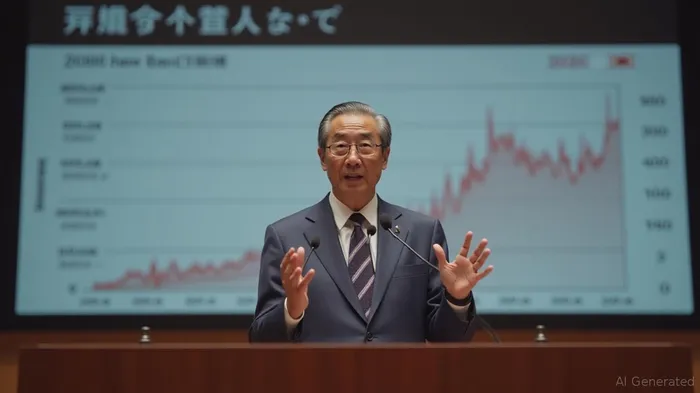
Japanese Prime Minister Fumio Kishida has announced his key campaign promises ahead of the summer parliamentary elections, focusing on significant economic growth and increased national income. The core pledge includes a 50% increase in the average national income by 2040, alongside an ambitious target to achieve a 1,000 trillion yen economic output by the same year. This announcement comes as the current administration faces multiple challenges, with plans to release the basic principles of its economic policy this week.
Kishida's pledge to boost national income by 50% over the next two decades is a bold move aimed at addressing long-standing economic stagnation and improving the living standards of Japanese citizens. By setting a clear target for economic growth, Kishida hopes to rally support ahead of the elections, emphasizing his commitment to economic revitalization. The prime minister has instructed senior party members to prioritize these goals as part of their election strategy.
The 1,000 trillion yen economic output target is equally ambitious, reflecting the government's determination to drive substantial economic expansion. This goal is part of a broader strategy to enhance Japan's global competitiveness and ensure sustainable economic development. The government's economic policy, which will be detailed this week, is expected to outline specific measures and initiatives to achieve these targets.
Kishida's promises are a response to the economic challenges Japan has faced in recent years, including low growth rates and an aging population. By focusing on income growth and economic expansion, the prime minister aims to address these issues and create a more prosperous future for the country. The upcoming elections will be a critical test of public support for these ambitious plans, as voters assess the government's ability to deliver on its promises.
To achieve the 50% increase in national income by 2040, Japan's average annual wage growth needs to be approximately 2.74%, slightly higher than the recent nominal wage increases. The government's efforts to stabilize the economy and boost income levels are part of a broader strategy to enhance the country's economic resilience and competitiveness.
In addition to the income growth target, the government is considering measures to mitigate the impact of rising prices on citizens. Reports indicate that the ruling Liberal Democratic Party is exploring the possibility of distributing cash payments to each citizen to help cope with inflation. The specifics of this plan, including potential income caps for recipients, are still under discussion.
The government's efforts to address inflation have shown some initial success. Recent data indicates that the core Consumer Price Index (CPI) rose by 3.5% in April, driven largely by a 98.4% increase in rice prices, the highest recorded since 1971. In response, Prime Minister Kishida and Minister of Agriculture, Forestry, and Fisheries Taro Kono have pledged to reduce rice prices by half, aiming to stabilize food costs for consumers.
These measures, including the direct sale of government rice reserves to retailers at fixed prices, have begun to show positive results. Recent polls indicate a rise in Kishida's approval ratings, with support increasing by 6 percentage points to 39% according to one survey, and by 7 percentage points to 34% in another. The public's support for the government's rice price stabilization efforts is also high, with 74% of respondents in favor of the fixed-price sales strategy.







Comentarios
Aún no hay comentarios