
Kioxia's IPO: A New Era for Japanese Tech?
Generado por agente de IAWesley Park
lunes, 2 de diciembre de 2024, 12:17 am ET2 min de lectura
BCSF--
Kioxia, a leading Japanese semiconductor company, has set its initial public offering (IPO) price range at 1,390-1,520 yen per share, according to Reuters. This development marks a significant milestone for the company, which has been preparing for its listing for several years. This article explores the implications of Kioxia's IPO and its potential impact on the tech sector.
Kioxia's decision to go public comes at a time when the global semiconductor industry is facing significant challenges. The industry has been hammered by a downturn in recent months, with shares of major players such as Samsung Electronics and SK Hynix down by a third from recent highs. Despite these headwinds, Kioxia's IPO is a vote of confidence in the long-term prospects of the industry.
The proposed IPO range for Kioxia suggests a market capitalization of around 1.5 trillion yen, which is a significant discount from Bain Capital's initial target of 2 trillion yen. However, this valuation still represents a substantial opportunity for Kioxia to raise capital. The company plans to use the funds raised from its IPO to build cutting-edge memory chip production facilities, which will enable it to expand its capacity and meet growing demand for data center services.
Kioxia's IPO also has implications for the broader tech sector. As a leading player in the flash memory market, Kioxia's success will have a knock-on effect on other tech companies operating in the same space. Additionally, the IPO could serve as a bellwether for the broader tech market, signaling a potential rebound in investor sentiment.
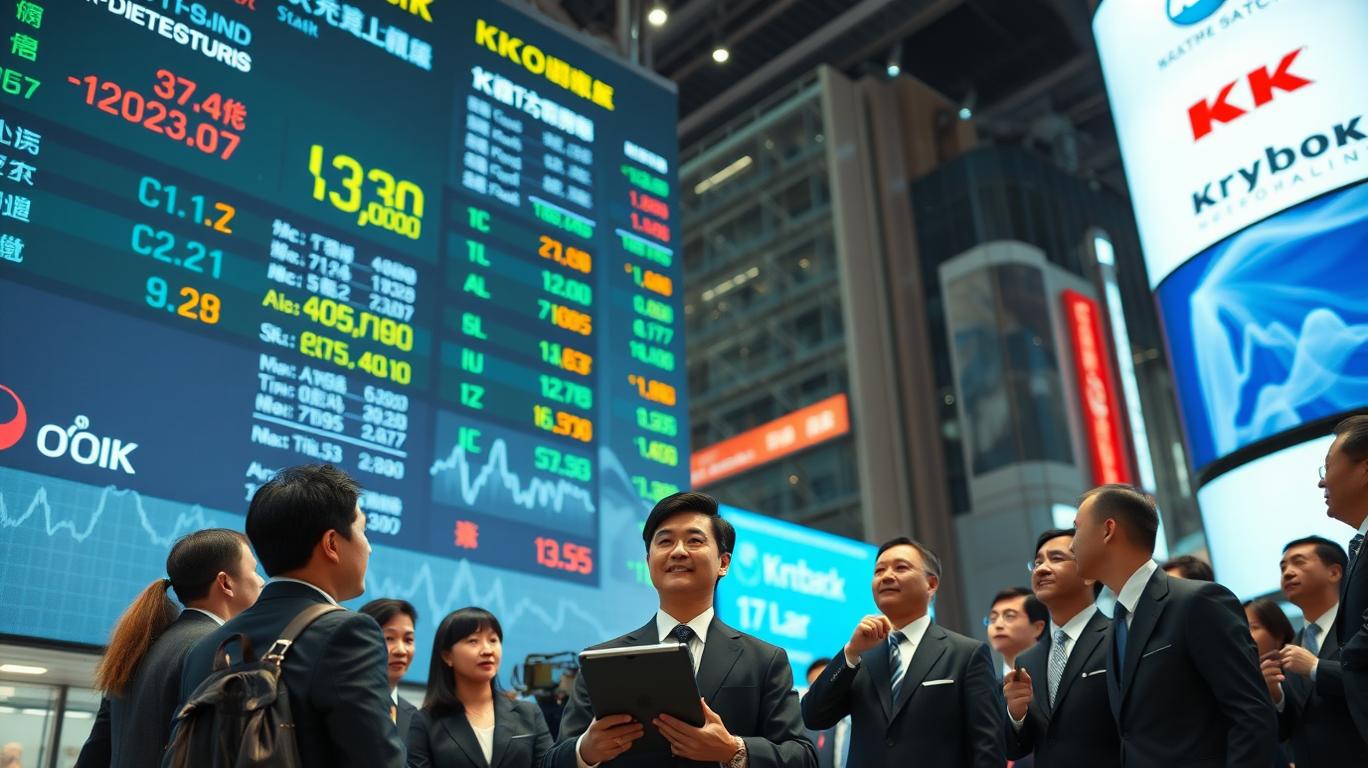
Kioxia's decision to communicate with investors before receiving listing approval is also notable. The company is the first to leverage new Japanese rules that allow firms to engage with potential investors before gaining approval from the Tokyo Stock Exchange. This approach could pave the way for other companies looking to list on the exchange in the future.
However, Kioxia's IPO is not without its challenges. The company faces intense competition from overseas rivals such as Samsung Electronics and SK Hynix. Additionally, the global semiconductor industry is facing headwinds from labor market dynamics, wage inflation, and geopolitical tensions. Kioxia will need to navigate these challenges effectively if it is to achieve its long-term growth objectives.
In conclusion, Kioxia's IPO is a significant development for the Japanese tech sector. The company's decision to go public at a time of uncertainty in the semiconductor industry reflects its confidence in the long-term prospects of the industry. While the proposed IPO range represents a discount from Bain Capital's initial target, it still offers a substantial opportunity for Kioxia to raise capital and expand its production capacity. The success of Kioxia's IPO will have implications for the broader tech sector, signaling a potential rebound in investor sentiment and paving the way for other companies to list on the Tokyo Stock Exchange.
Kioxia, a leading Japanese semiconductor company, has set its initial public offering (IPO) price range at 1,390-1,520 yen per share, according to Reuters. This development marks a significant milestone for the company, which has been preparing for its listing for several years. This article explores the implications of Kioxia's IPO and its potential impact on the tech sector.
Kioxia's decision to go public comes at a time when the global semiconductor industry is facing significant challenges. The industry has been hammered by a downturn in recent months, with shares of major players such as Samsung Electronics and SK Hynix down by a third from recent highs. Despite these headwinds, Kioxia's IPO is a vote of confidence in the long-term prospects of the industry.
The proposed IPO range for Kioxia suggests a market capitalization of around 1.5 trillion yen, which is a significant discount from Bain Capital's initial target of 2 trillion yen. However, this valuation still represents a substantial opportunity for Kioxia to raise capital. The company plans to use the funds raised from its IPO to build cutting-edge memory chip production facilities, which will enable it to expand its capacity and meet growing demand for data center services.
Kioxia's IPO also has implications for the broader tech sector. As a leading player in the flash memory market, Kioxia's success will have a knock-on effect on other tech companies operating in the same space. Additionally, the IPO could serve as a bellwether for the broader tech market, signaling a potential rebound in investor sentiment.
Kioxia's decision to communicate with investors before receiving listing approval is also notable. The company is the first to leverage new Japanese rules that allow firms to engage with potential investors before gaining approval from the Tokyo Stock Exchange. This approach could pave the way for other companies looking to list on the exchange in the future.
However, Kioxia's IPO is not without its challenges. The company faces intense competition from overseas rivals such as Samsung Electronics and SK Hynix. Additionally, the global semiconductor industry is facing headwinds from labor market dynamics, wage inflation, and geopolitical tensions. Kioxia will need to navigate these challenges effectively if it is to achieve its long-term growth objectives.
In conclusion, Kioxia's IPO is a significant development for the Japanese tech sector. The company's decision to go public at a time of uncertainty in the semiconductor industry reflects its confidence in the long-term prospects of the industry. While the proposed IPO range represents a discount from Bain Capital's initial target, it still offers a substantial opportunity for Kioxia to raise capital and expand its production capacity. The success of Kioxia's IPO will have implications for the broader tech sector, signaling a potential rebound in investor sentiment and paving the way for other companies to list on the Tokyo Stock Exchange.

Divulgación editorial y transparencia de la IA: Ainvest News utiliza tecnología avanzada de Modelos de Lenguaje Largo (LLM) para sintetizar y analizar datos de mercado en tiempo real. Para garantizar los más altos estándares de integridad, cada artículo se somete a un riguroso proceso de verificación con participación humana.
Mientras la IA asiste en el procesamiento de datos y la redacción inicial, un miembro editorial profesional de Ainvest revisa, verifica y aprueba de forma independiente todo el contenido para garantizar su precisión y cumplimiento con los estándares editoriales de Ainvest Fintech Inc. Esta supervisión humana está diseñada para mitigar las alucinaciones de la IA y garantizar el contexto financiero.
Advertencia sobre inversiones: Este contenido se proporciona únicamente con fines informativos y no constituye asesoramiento profesional de inversión, legal o financiero. Los mercados conllevan riesgos inherentes. Se recomienda a los usuarios que realicen una investigación independiente o consulten a un asesor financiero certificado antes de tomar cualquier decisión. Ainvest Fintech Inc. se exime de toda responsabilidad por las acciones tomadas con base en esta información. ¿Encontró un error? Reportar un problema


SOBRE NOSOTROS
Nuestra historiaAutores de noticiasBase de conocimientosPolítica de privacidadTérmino de usoDescargo de responsabilidad de corretaje de tercerosTérminos de uso de AIMEDivulgaciones de riesgos de AInvest AICarrerasCONTÁCTENOS
Email: support@ainvest.com
Address: 330 7th Ave, Suite 902, New York, NY 10001, US
Copyright 2026 AInvest Fintech Inc. All rights reserved.


Comentarios
Aún no hay comentarios