
King Charles III, Trudeau Emphasize Canada's Independence Amid U.S. Tensions
King Charles III, during his visit to Canada, addressed the Canadian Parliament, emphasizing the country's sovereignty and independence. This visit comes at a time when Trump had been advocating for Canada to become the "51st state" of the United States, a proposal that has been met with widespread opposition from Canadian officials.
In his speech, King Charles III highlighted the government's plans to "rebuild, rearm, and reinvest in the Canadian Armed Forces," emphasizing the need to strengthen the country's defense capabilities. He also mentioned Canada's participation in the "rearming of Europe" initiative, which aims to enhance transatlantic security through joint investments with European partners. Additionally, he noted the government's commitment to bolstering its presence in the northern regions, which are considered integral to Canada's territory.
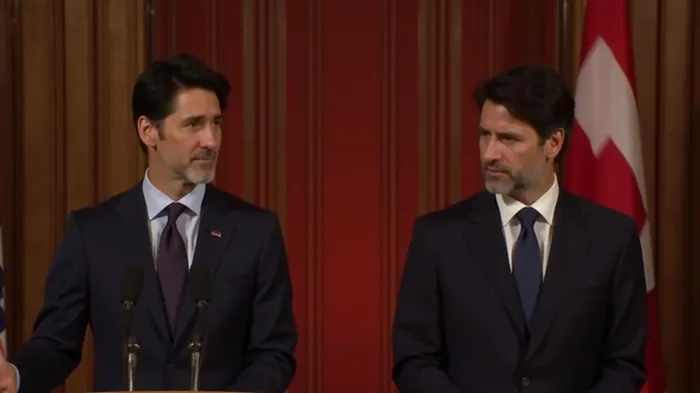
Following King Charles III's speech, Canadian Prime Minister Justin Trudeau made a striking statement during an interview. Trudeau emphasized Canada's unityU-- and strength, while critically noting that relying too heavily on the United States is no longer "wise" or in Canada's best interests. He pointed out the risks associated with overdependence on the U.S. from both economic and security perspectives. Trudeau stated that while cooperation with the U.S. would continue when it aligns with both countries' interests, Canada would not be compelled to collaborate on every issue.
The visit by King Charles III to Canada, which began on the 26th, comes at a time of heightened diplomatic tensions. Trump had repeatedly suggested that Canada should become part of the U.S. "gold dome" missile defense program, arguing that this would save Canada 610 billion dollars. However, Canada has not responded to these proposals, maintaining its stance on independence and sovereignty.
The statements made by both King Charles III and Prime Minister Trudeau reflect a growing sentiment in Canada to assert its independence and reduce its reliance on the United States. This shift in policy is likely to have significant implications for Canada's foreign relations and defense strategies, as the country seeks to strengthen its ties with European partners and enhance its own defense capabilities. The emphasis on rebuilding and rearming the Canadian Armed Forces, along with the focus on transatlantic security, indicates a strategic realignment that prioritizes Canada's national interests and sovereignty. This move is expected to reshape Canada's role in global affairs, potentially leading to new alliances and partnerships that bolster its independence and security.







Comentarios
Aún no hay comentarios