
Is Kier Group's 11% ROE Sustainably Driving Value Creation?
The Kier Group (LSE: KIE), a UK-based engineering and construction firm, , a figure that appears attractive at first glance. However, a deeper analysis reveals a complex interplay of high leverage, earnings volatility, and industry dynamics that raise critical questions about the sustainability of this return. This article evaluates whether Kier's ROE genuinely reflects value creation or if it is artificially inflated by aggressive debt usage and cyclical earnings patterns.
Debt Leverage: A Double-Edged Sword
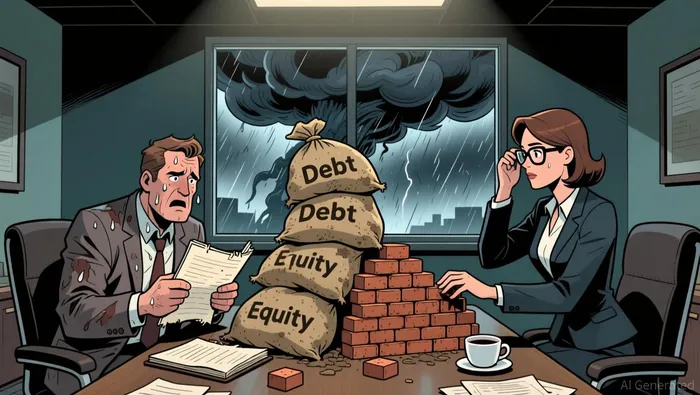
Kier's financial structure is heavily reliant on debt. As of 2025, , . While this leverage amplifies returns in favorable conditions, it also heightens vulnerability during downturns. suggests it can cover interest expenses, but this margin is modest compared to industry peers. For context, construction firms with stronger balance sheets often maintain coverage ratios above 4x.
The high debt load also constrains operational flexibility. , . While has affirmed Kier's 'BB+' credit rating with a positive outlook, the firm's leverage remains a red flag for long-term stability.
ROE Trends: Progress, But Still Lagging
Kier's ROE has shown gradual improvement, . This trajectory reflects better operational efficiency and cost management, particularly in its infrastructure and housing segments. However, , as well as .
The disparity highlights structural challenges. Kier's capital-intensive business model and project-based revenue streams inherently limit ROE compared to more scalable industries. Moreover, its 3.4-year average project cycle introduces delays in capital turnover, further dampening returns. While the 10.9% ROE is respectable, it suggests Kier is not outperforming its peers in terms of shareholder value creation.
Earnings Volatility: A Hidden Risk
Kier's earnings history reveals significant volatility. For instance, . In 2025, , underscoring the unpredictability of its results. While , this consistency appears fragile given historical swings.
This volatility is partly attributable to the cyclical nature of construction and the firm's exposure to public-sector contracts, which are subject to policy shifts and funding delays. Additionally, indicates lower stock price volatility, but this does not mitigate the risk of erratic earnings. Investors must question whether the 11% ROE is a reliable indicator of future performance or a product of temporary tailwinds.
Cash Flow and Debt Service: A Mixed Picture
Kier's demonstrates robust operating cash conversion (125%) and supports its debt servicing. Fitch anticipates continued positive FCF through FY2029, which bodes well for maintaining leverage ratios. However, signals potential headwinds, particularly if project margins compress or inflationary pressures persist.
The debt service coverage ratio is bolstered by , but remains a concern. , it underscores the need for disciplined capital allocation to avoid overleveraging during expansion phases.
Conclusion: A Cautious Verdict
Kier Group's 11% ROE reflects progress in operational efficiency and cash generation, supported by a positive credit outlook and strong FCF. However, the sustainability of this return is clouded by its high debt load, earnings volatility, and sub-industry ROE. For value creation to be truly sustainable, Kier must demonstrate consistent earnings growth, further reduce leverage, and outperform industry peers in capital deployment.
Investors should monitor the firm's ability to navigate macroeconomic risks, such as interest rate hikes and public-sector funding constraints, while maintaining its current trajectory of ROE improvement. Until then, the 11% ROE remains a promising but precarious metric.







Comentarios
Aún no hay comentarios