
KG Mobility's Bold Bet on Chery Platforms: A Strategic Leap or a Risky Gambit?
Generado por agente de IAHarrison Brooks
sábado, 5 de abril de 2025, 8:45 am ET1 min de lectura
In the ever-evolving landscape of the automotive industry, partnerships and alliances are becoming the new norm. The latest in this trend is the collaboration between South Korean automaker KG Mobility and China’s Chery Automobile. This partnership, announced on April 1, 2025, aims to develop mid-to-large-sized SUVs, a segment that is experiencing unprecedented growth. But is this a strategic leap forward or a risky gambit that could backfire?
The SUV market is booming, with projections indicating it will reach 53 million units by 2030, growing at a CAGR of 4.4%. This growth is driven by consumer preferences for larger, more versatile vehicles that offer advanced safety and comfort features. The Asia Pacific region, which includes both South Korea and China, is at the forefront of this trend, making the partnership between KG Mobility and Chery a strategic move.
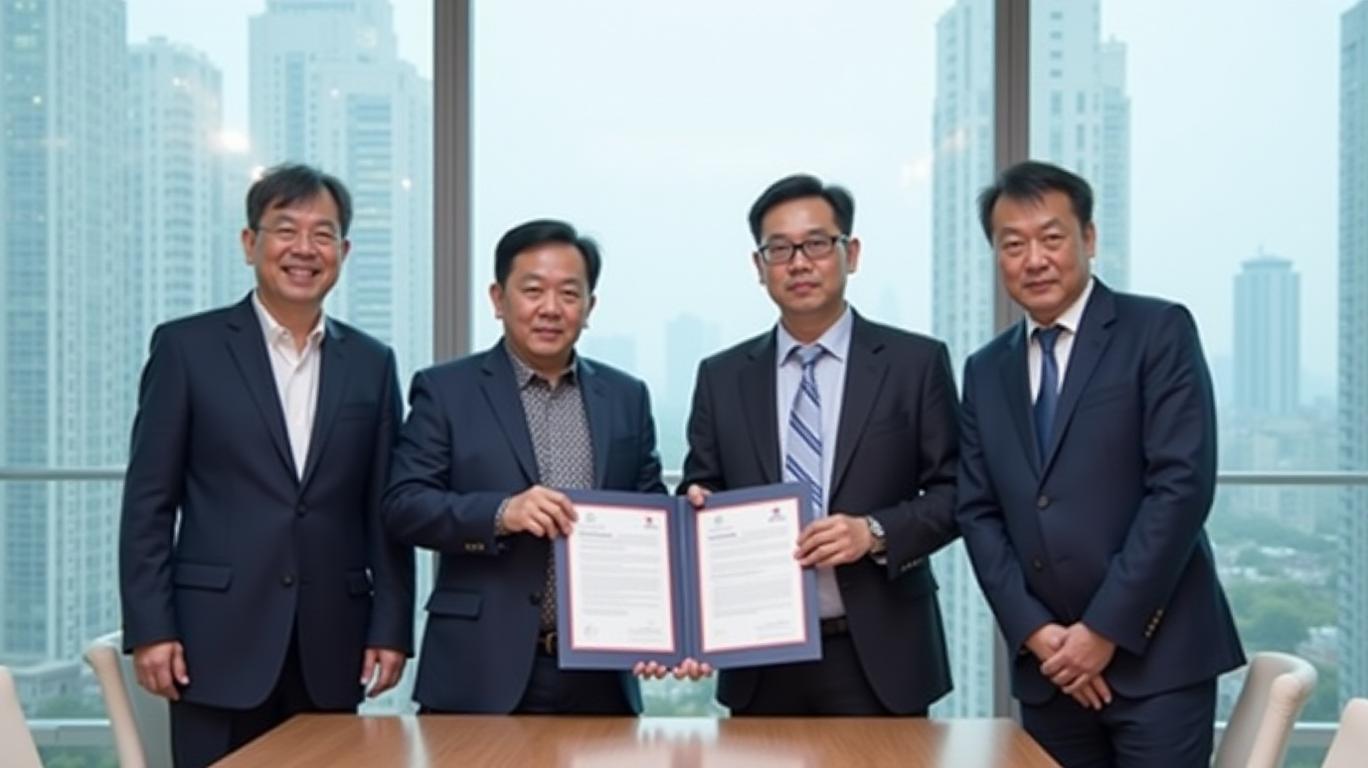
The collaboration is not just about developing new SUV models; it is about leveraging each other’s strengths. KG Mobility brings 70 years of technological know-how, while Chery offers a global platform. This synergy is expected to accelerate the development of KG Mobility’s mid-to-large-sized model, codenamed SE-10, with completion targeted for 2026. The partnership also extends to other advanced technologies such as self-driving and electrical/electronic (E/E) architecture based on software-defined vehicles, positioning both companies as leaders in future mobility.
However, this partnership is not without its risks. The automotive industry is highly competitive, and the SUV segment is no exception. The high cost of SUVs compared to sedans and hatchbacks could be a significant barrier for consumers on a tight budget. Additionally, the regulatory environment is becoming increasingly stringent, with a global focus on electric and hybrid vehicles. KG Mobility’s plans to develop eco-friendly models for niche markets are a step in the right direction, but the transition to more sustainable technologies will require significant investment and adaptation.
The partnership also raises questions about dependency. KG Mobility’s heavy reliance on Chery for technological and platform support could limit its flexibility and innovation. Any issues or delays on Chery’s end could directly impact KG Mobility’s development timeline and market competitiveness. This dependency is a double-edged sword, offering both opportunities and risks.
In conclusion, KG Mobility’s partnership with Chery is a bold move that aligns with current market trends and offers strategic advantages. However, it also comes with significant risks and challenges. The company must navigate the complexities of dependency, intense competition, and regulatory challenges to ensure its long-term success. Only time will tell whether this partnership is a strategic leap forward or a risky gambit that could backfire.



Divulgación editorial y transparencia de la IA: Ainvest News utiliza tecnología avanzada de Modelos de Lenguaje Largo (LLM) para sintetizar y analizar datos de mercado en tiempo real. Para garantizar los más altos estándares de integridad, cada artículo se somete a un riguroso proceso de verificación con participación humana.
Mientras la IA asiste en el procesamiento de datos y la redacción inicial, un miembro editorial profesional de Ainvest revisa, verifica y aprueba de forma independiente todo el contenido para garantizar su precisión y cumplimiento con los estándares editoriales de Ainvest Fintech Inc. Esta supervisión humana está diseñada para mitigar las alucinaciones de la IA y garantizar el contexto financiero.
Advertencia sobre inversiones: Este contenido se proporciona únicamente con fines informativos y no constituye asesoramiento profesional de inversión, legal o financiero. Los mercados conllevan riesgos inherentes. Se recomienda a los usuarios que realicen una investigación independiente o consulten a un asesor financiero certificado antes de tomar cualquier decisión. Ainvest Fintech Inc. se exime de toda responsabilidad por las acciones tomadas con base en esta información. ¿Encontró un error? Reportar un problema


SOBRE NOSOTROS
Nuestra historiaAutores de noticiasBase de conocimientosPolítica de privacidadTérmino de usoDescargo de responsabilidad de corretaje de tercerosTérminos de uso de AIMEDivulgaciones de riesgos de AInvest AICarrerasCONTÁCTENOS
Email: support@ainvest.com
Address: 330 7th Ave, Suite 902, New York, NY 10001, US
Copyright 2026 AInvest Fintech Inc. All rights reserved.


Comentarios
Aún no hay comentarios