
Key Political Developments and Their Impact on the Defense Industry
Introduction
Political developments often shape the defense industry in profound ways. From changes in leadership to shifts in global security priorities, political decisions directly influence defense budgets, procurement strategies, and stock market performance. For investors, understanding these connections is critical to navigating opportunities and risks in this sector.
Core Concept Explanation
The defense industry thrives on government contracts and policy decisions. Key political factors include:1. Defense Budget Allocations: Governments determine how much to spend on military equipment, technology, and personnel. Increased budgets typically boost demand for defense companies.2. Geopolitical Tensions: Conflicts or perceived threats (e.g., border disputes, cyberattacks) often lead to urgent defense spending.3. Policy Shifts: New regulations, trade restrictions, or alliances can alter the competitive landscape for defense firms.4. Leadership Changes: A new administration may prioritize different security goals, affecting long-term contracts and innovation focus.
For example, a government prioritizing cybersecurity might fund tech-driven defense firms, while another focusing on traditional warfare could favor companies producing tanks or aircraft.
Application and Strategies
Investors can leverage political insights to make informed decisions:- Monitor Budget Announcements: Track annual defense spending plans to identify companies likely to secure contracts.- Follow Geopolitical Events: Tensions in regions like the South China Sea or Eastern Europe often correlate with spikes in defense stock prices.- 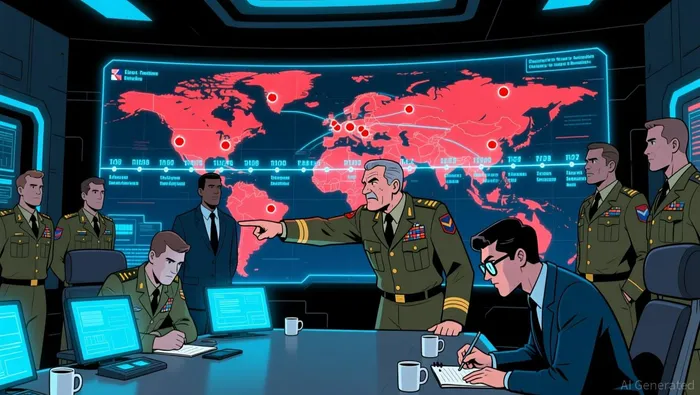 - Diversify Across Sub-Sectors: Invest in a mix of aerospace, cybersecurity, and logistics firms to mitigate risks from policy shifts.- Use ETFs: Defense-focused exchange-traded funds (ETFS) offer broad exposure to the sector, reducing reliance on single stocks.
Case Study Analysis
In 2018, the U.S. passed the National Defense Authorization Act (NDAA), increasing the defense budget by 2.5% to $700 billion. This led to a 12% surge in Lockheed Martin’s stock price over six months, as the company secured $50 billion in contracts for F-35 fighter jets and missile defense systems. Conversely, during the 2020 pandemic, reduced global tensions and economic constraints caused defense stocks to underperform, highlighting how political priorities can wane during crises.
Risks and Considerations
While political developments can create opportunities, they also pose risks:- Policy Reversals: A new administration might cancel previous contracts or redirect funds.- Budget Cuts: Economic downturns or shifts in priorities could reduce defense spending.- Geopolitical De-Escalation: Reduced conflicts may lower demand for certain defense products.
To mitigate these risks, investors should:1. Conduct Thorough Research: Analyze government agendas and geopolitical trends.2. Diversify Holdings: Avoid overexposure to a single company or region.3. Balance Long-Term and Short-Term Strategies: Combine stable, contract-driven firms with innovative, high-growth companies.
Case Study Data Visualization
Investors often look to financial metrics to assess the performance of defense stocks in response to political developments. A useful tool for understanding these dynamics is a multi-line chart that tracks financial performance metrics of key defense companies over time. This allows investors to see how changes in political environments directly impact earnings and revenue trends.
Conclusion
Political developments are a powerful force in the defense industry, shaping everything from stock valuations to innovation trends. By staying informed about government policies, geopolitical events, and budget decisions, investors can make strategic choices to capitalize on opportunities while managing risks. Whether through direct stock investments or diversified funds, understanding this dynamic is key to navigating the defense sector’s unique challenges and rewards.





Comentarios
Aún no hay comentarios