
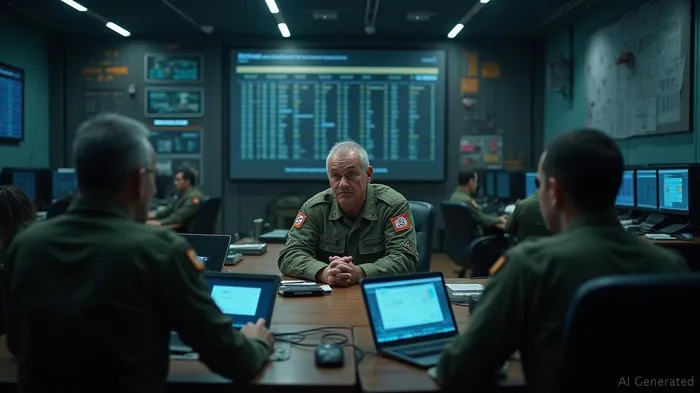
Key Israeli military and intelligence centers, including Ramat David Airbase near Haifa, are on Iran's list of targets. Proportionate response in the coming hours - Iran’s Student News Network
PorAinvest
lunes, 16 de junio de 2025, 1:35 pm ET1 min de lectura
AM--
The Israeli military has intercepted most of the missiles, but several have breached air defenses, striking densely populated areas such as Tel Aviv, Ramat Gan, Rishon Lezion, Bat Yam, Rehovot, Haifa, and Tamra. This has resulted in at least 14 deaths and hundreds of wounded, with all casualties occurring outside bomb shelters [1].
The Israeli financial markets have shown initial signs of volatility following the attacks. The Tel Aviv Stock Exchange (TASE) experienced a brief dip, although it quickly rebounded due to the robust air defense system and the absence of significant damage to critical infrastructure. However, the long-term financial impact remains uncertain, with potential disruptions to trade and tourism being the primary concerns.
On the global front, oil prices have remained relatively stable, but there is concern that further escalation could lead to supply chain disruptions. The Middle East is a major oil-producing region, and any prolonged conflict could affect global energy supplies. Additionally, geopolitical tensions could impact investor sentiment and lead to market fluctuations.
In response to the attacks, the U.S. has provided assistance to Israel, including the deployment of American air defense systems and a US Navy destroyer. This international support is crucial in maintaining stability and preventing further escalation [1].
In conclusion, while the immediate financial impact of Iran's missile attacks on Israel appears manageable, the long-term effects remain uncertain. Investors and financial professionals should closely monitor the situation for any potential market disruptions. The current conflict underscores the importance of robust air defense systems and international cooperation in maintaining regional stability.
References:
[1] https://www.timesofisrael.com/devastation-grows-as-iran-targets-civilian-areas-despite-interceptors-and-shelters/
[2] https://www.washingtonpost.com/world/2025/06/12/israel-attacks-iran-tehran-explosions/
ESP--
FA--
ILIT--
ING--
Key Israeli military and intelligence centers, including Ramat David Airbase near Haifa, are on Iran's list of targets. Proportionate response in the coming hours - Iran’s Student News Network
Iran's recent escalation of ballistic missile attacks on Israel has caused significant devastation and raised concerns about the potential financial implications for both countries and the global market. As of the latest reports, Iran has fired over 280 missiles at Israel since the Israeli Defense Forces (IDF) initiated its operation against Iran's nuclear program [1].The Israeli military has intercepted most of the missiles, but several have breached air defenses, striking densely populated areas such as Tel Aviv, Ramat Gan, Rishon Lezion, Bat Yam, Rehovot, Haifa, and Tamra. This has resulted in at least 14 deaths and hundreds of wounded, with all casualties occurring outside bomb shelters [1].
The Israeli financial markets have shown initial signs of volatility following the attacks. The Tel Aviv Stock Exchange (TASE) experienced a brief dip, although it quickly rebounded due to the robust air defense system and the absence of significant damage to critical infrastructure. However, the long-term financial impact remains uncertain, with potential disruptions to trade and tourism being the primary concerns.
On the global front, oil prices have remained relatively stable, but there is concern that further escalation could lead to supply chain disruptions. The Middle East is a major oil-producing region, and any prolonged conflict could affect global energy supplies. Additionally, geopolitical tensions could impact investor sentiment and lead to market fluctuations.
In response to the attacks, the U.S. has provided assistance to Israel, including the deployment of American air defense systems and a US Navy destroyer. This international support is crucial in maintaining stability and preventing further escalation [1].
In conclusion, while the immediate financial impact of Iran's missile attacks on Israel appears manageable, the long-term effects remain uncertain. Investors and financial professionals should closely monitor the situation for any potential market disruptions. The current conflict underscores the importance of robust air defense systems and international cooperation in maintaining regional stability.
References:
[1] https://www.timesofisrael.com/devastation-grows-as-iran-targets-civilian-areas-despite-interceptors-and-shelters/
[2] https://www.washingtonpost.com/world/2025/06/12/israel-attacks-iran-tehran-explosions/
Divulgación editorial y transparencia de la IA: Ainvest News utiliza tecnología avanzada de Modelos de Lenguaje Largo (LLM) para sintetizar y analizar datos de mercado en tiempo real. Para garantizar los más altos estándares de integridad, cada artículo se somete a un riguroso proceso de verificación con participación humana.
Mientras la IA asiste en el procesamiento de datos y la redacción inicial, un miembro editorial profesional de Ainvest revisa, verifica y aprueba de forma independiente todo el contenido para garantizar su precisión y cumplimiento con los estándares editoriales de Ainvest Fintech Inc. Esta supervisión humana está diseñada para mitigar las alucinaciones de la IA y garantizar el contexto financiero.
Advertencia sobre inversiones: Este contenido se proporciona únicamente con fines informativos y no constituye asesoramiento profesional de inversión, legal o financiero. Los mercados conllevan riesgos inherentes. Se recomienda a los usuarios que realicen una investigación independiente o consulten a un asesor financiero certificado antes de tomar cualquier decisión. Ainvest Fintech Inc. se exime de toda responsabilidad por las acciones tomadas con base en esta información. ¿Encontró un error? Reportar un problema


SOBRE NOSOTROS
Nuestra historiaAutores de noticiasBase de conocimientosPolítica de privacidadTérmino de usoDescargo de responsabilidad de corretaje de tercerosTérminos de uso de AIMEDivulgaciones de riesgos de AInvest AICarrerasCONTÁCTENOS
Email: support@ainvest.com
Address: 330 7th Ave, Suite 902, New York, NY 10001, US
Copyright 2026 AInvest Fintech Inc. All rights reserved.


Comentarios
Aún no hay comentarios