
KB Home, Lennar Cut Prices as Buyer Demand Slows
Generado por agente de IATheodore Quinn
martes, 25 de marzo de 2025, 11:44 am ET2 min de lectura
KBH--
The housing market is showing signs of strain as KB HomeKBH-- and LennarLEN--, two of the nation's largest homebuilders, have recently announced price cuts in response to a significant slowdown in buyer demand. This move underscores the challenges facing the industry, as rising mortgage rates, high construction costs, and labor shortages converge to create a perfect storm for homebuilders.
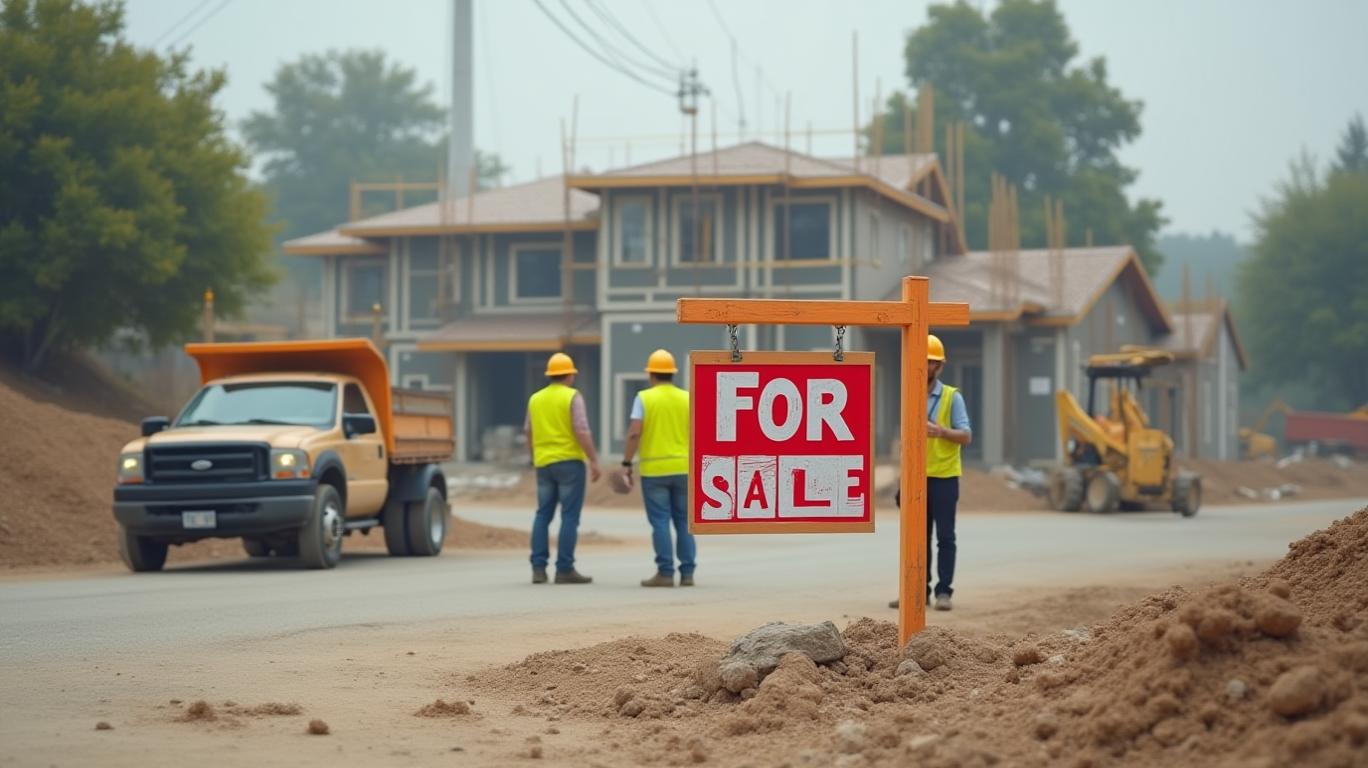
The latest data from the U.S. Census Bureau and the Department of Housing and Urban Development reveals that new home sales in November 2024 were at a seasonally adjusted annual rate of 664,000, a 5.9% increase from the previous month but still 8.7% below the November 2023 estimate. This stagnation in new home sales, coupled with the recent price cuts by KB Home and Lennar, paints a picture of a market under pressure.
One of the primary factors contributing to the slowdown in buyer demand is the volatility in mortgage rates. Earlier this year, mortgage rates trended at 7.50%, and while they briefly dropped to 6%, they have since risen above 7% again. This volatility makes it difficult for buyers to commit to purchasing a home, as higher mortgage rates increase the overall cost of homeownership. As a result, homebuilders are feeling the pressure to reduce prices to attract buyers, which is a clear sign of weakened demand.
High construction costs are another significant factor contributing to the slowdown in buyer demand. The construction industry is facing a shortage of available labor, with more than 250,000 open positions it's trying to fill. This shortage is pushing up construction costs, making it more expensive for homebuilders to build new homes. Additionally, construction materials, including electrical transformers, are in short supply, further driving up costs. If construction costs continue to rise, homebuilders may need to pass these costs on to buyers, further increasing the price of new homes and potentially deterring buyers.
The labor shortage is also a significant challenge for homebuilders. The aging labor force and the need to attract young people and women to trade schools are contributing to the labor shortage in the construction industry. This shortage is pushing up construction costs and making it more challenging for homebuilders to complete projects on time. If the labor shortage persists, homebuilders may need to invest in training and development programs to attract and retain workers. They may also need to consider alternative building methods, such as modular construction, to reduce their reliance on traditional labor.
In the coming months, these factors could evolve in several ways, affecting the housing market and homebuilders' strategies. For example, if mortgage rates continue to rise, buyer demand may slow further, leading to a decrease in new home sales. This could prompt homebuilders to reduce their inventory by offering incentives to buyers or by slowing down construction on new projects. Alternatively, if construction costs and labor shortages persist, homebuilders may need to find ways to reduce their costs or pass these costs on to buyers, further increasing the price of new homes and potentially deterring buyers.
In conclusion, the slowdown in buyer demand for new homes is influenced by rising mortgage rates, high construction costs, and a shortage of available labor. These factors could evolve in the coming months, affecting the housing market and homebuilders' strategies. Homebuilders will need to adapt to these changes by adjusting their strategies to attract buyers and reduce costs, while also navigating the challenges posed by the current economic environment.
LEN--
The housing market is showing signs of strain as KB HomeKBH-- and LennarLEN--, two of the nation's largest homebuilders, have recently announced price cuts in response to a significant slowdown in buyer demand. This move underscores the challenges facing the industry, as rising mortgage rates, high construction costs, and labor shortages converge to create a perfect storm for homebuilders.
The latest data from the U.S. Census Bureau and the Department of Housing and Urban Development reveals that new home sales in November 2024 were at a seasonally adjusted annual rate of 664,000, a 5.9% increase from the previous month but still 8.7% below the November 2023 estimate. This stagnation in new home sales, coupled with the recent price cuts by KB Home and Lennar, paints a picture of a market under pressure.
One of the primary factors contributing to the slowdown in buyer demand is the volatility in mortgage rates. Earlier this year, mortgage rates trended at 7.50%, and while they briefly dropped to 6%, they have since risen above 7% again. This volatility makes it difficult for buyers to commit to purchasing a home, as higher mortgage rates increase the overall cost of homeownership. As a result, homebuilders are feeling the pressure to reduce prices to attract buyers, which is a clear sign of weakened demand.
High construction costs are another significant factor contributing to the slowdown in buyer demand. The construction industry is facing a shortage of available labor, with more than 250,000 open positions it's trying to fill. This shortage is pushing up construction costs, making it more expensive for homebuilders to build new homes. Additionally, construction materials, including electrical transformers, are in short supply, further driving up costs. If construction costs continue to rise, homebuilders may need to pass these costs on to buyers, further increasing the price of new homes and potentially deterring buyers.
The labor shortage is also a significant challenge for homebuilders. The aging labor force and the need to attract young people and women to trade schools are contributing to the labor shortage in the construction industry. This shortage is pushing up construction costs and making it more challenging for homebuilders to complete projects on time. If the labor shortage persists, homebuilders may need to invest in training and development programs to attract and retain workers. They may also need to consider alternative building methods, such as modular construction, to reduce their reliance on traditional labor.
In the coming months, these factors could evolve in several ways, affecting the housing market and homebuilders' strategies. For example, if mortgage rates continue to rise, buyer demand may slow further, leading to a decrease in new home sales. This could prompt homebuilders to reduce their inventory by offering incentives to buyers or by slowing down construction on new projects. Alternatively, if construction costs and labor shortages persist, homebuilders may need to find ways to reduce their costs or pass these costs on to buyers, further increasing the price of new homes and potentially deterring buyers.
In conclusion, the slowdown in buyer demand for new homes is influenced by rising mortgage rates, high construction costs, and a shortage of available labor. These factors could evolve in the coming months, affecting the housing market and homebuilders' strategies. Homebuilders will need to adapt to these changes by adjusting their strategies to attract buyers and reduce costs, while also navigating the challenges posed by the current economic environment.

Divulgación editorial y transparencia de la IA: Ainvest News utiliza tecnología avanzada de Modelos de Lenguaje Largo (LLM) para sintetizar y analizar datos de mercado en tiempo real. Para garantizar los más altos estándares de integridad, cada artículo se somete a un riguroso proceso de verificación con participación humana.
Mientras la IA asiste en el procesamiento de datos y la redacción inicial, un miembro editorial profesional de Ainvest revisa, verifica y aprueba de forma independiente todo el contenido para garantizar su precisión y cumplimiento con los estándares editoriales de Ainvest Fintech Inc. Esta supervisión humana está diseñada para mitigar las alucinaciones de la IA y garantizar el contexto financiero.
Advertencia sobre inversiones: Este contenido se proporciona únicamente con fines informativos y no constituye asesoramiento profesional de inversión, legal o financiero. Los mercados conllevan riesgos inherentes. Se recomienda a los usuarios que realicen una investigación independiente o consulten a un asesor financiero certificado antes de tomar cualquier decisión. Ainvest Fintech Inc. se exime de toda responsabilidad por las acciones tomadas con base en esta información. ¿Encontró un error? Reportar un problema


SOBRE NOSOTROS
Nuestra historiaAutores de noticiasBase de conocimientosPolítica de privacidadTérmino de usoDescargo de responsabilidad de corretaje de tercerosTérminos de uso de AIMEDivulgaciones de riesgos de AInvest AICarrerasCONTÁCTENOS
Email: support@ainvest.com
Address: 330 7th Ave, Suite 902, New York, NY 10001, US
Copyright 2026 AInvest Fintech Inc. All rights reserved.


Comentarios
Aún no hay comentarios