
Karin Technology Holdings (SGX:K29): Mixed Financials Fuel Skepticism Amid Dividend Risks
The performance of Karin Technology Holdings Limited (SGX:K29) has become a microcosm of investor skepticism in an era of economic uncertainty. With mixed financial results, declining profitability, and concerns over dividend sustainability, the company’s stock has struggled to regain momentum. But are these financial headwinds truly driving the negative sentiment, or are broader structural issues at play? Let’s dissect the data to find out.
A Tale of Declining Profitability
Karin Technology’s financials reveal a stark erosion of profitability. In fiscal 2024 (ended June 30, 2024), earnings per share (EPS) plummeted to HK$0.088, a 59% drop from HK$0.22 in FY2023. This decline is even more concerning when paired with a net profit margin of just 0.9%—down sharply from 2.3% the previous year. 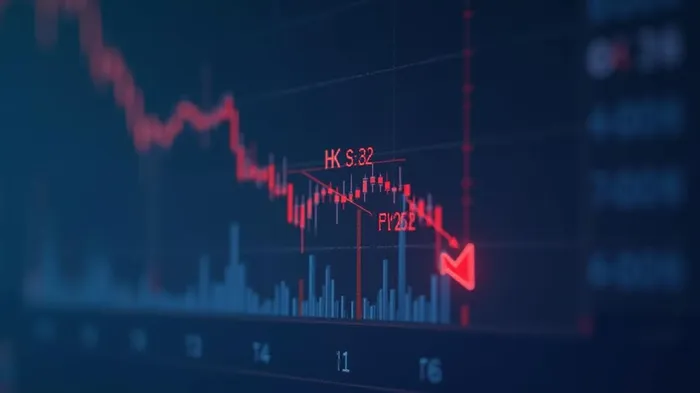
The root causes? Rising costs and margin compression. While revenue held steady at HK$2.08 billion (TTM), costs of revenue surged to HK$1.89 billion, squeezing gross margins to 9.14%. This weak margin profile leaves little room for error in a competitive market, particularly in sectors like IT infrastructure and consumer electronics, where Karin operates.
Dividend Sustainability: A Double-Edged Sword
Karin Technology’s dividend yield of 5.31% initially appears attractive. However, a closer look raises red flags. The company’s payout ratio—dividends divided by earnings—has hit 100%, meaning earnings are insufficient to cover distributions. This is unsustainable in the long term, especially with net income flatlining at HK$10.8 million for the first half of 2025.
Analysts warn that without a turnaround in profitability, dividends could face cuts, undermining the stock’s appeal to income-focused investors. The interim dividend of HK$0.049 proposed in February :2025 may offer short-term relief, but it masks deeper structural issues.
Stock Performance: Under Pressure from Weak Fundamentals
The market has already priced in these concerns. Karin Technology’s share price has declined by 9.84% over 12 months (as of May 2025), underperforming both the Singapore Electronic sector (-18.8%) and the broader SG Market (+14.1%).
Valuation metrics amplify the pessimism. The stock trades at a P/E ratio of 18.8x and a P/S ratio of 0.2x, reflecting investor doubts about future growth. While some analysts argue the stock is 68.3% below its fair value, the lack of forward guidance and stagnant earnings growth leaves buyers hesitant.
Governance and Liquidity: Structural Challenges
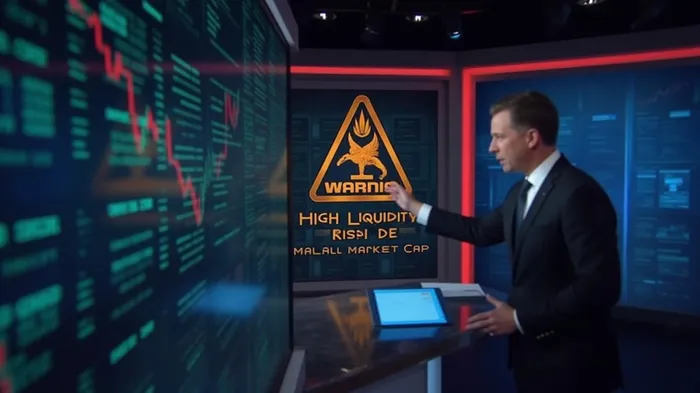
Compounding these financial woes are governance concerns and liquidity risks. The company’s market cap of SGD59 million is deemed “not meaningful” by analysts, and shares are described as “highly illiquid,” with trading volumes often below 10,000 units.
Additionally, only less than half of the board members are independent, raising governance red flags. While leadership changes—such as the appointment of Yan Kai Yung as Key Management Personnel—signal renewal, the absence of clear strategic initiatives leaves investors questioning long-term viability.
Analyst and Community Sentiment: Cautious and Divergent
Analyst sentiment is split. On one hand, the stock’s undervaluation and dividend yield attract bargain hunters. On the other, weak margins, dividend sustainability risks, and poor earnings quality deter long-term investors.
- Snowflake Score: 4/6 for valuation (due to the discount) but 0/6 for future growth.
- Community Concerns: Highlight risks like “share price instability” and “poor earnings quality.”
The lack of consensus—only two analysts track the stock—means there’s no unified narrative to stabilize sentiment.
Conclusion: Mixed Financials Are the Primary Culprit
The evidence is clear: Karin Technology’s mixed financials are the primary driver of negative sentiment. Key data points underscore this:
1. Profitability Decline: A 59% drop in EPS and a net margin of 0.9% signal systemic issues.
2. Dividend Risks: A 100% payout ratio threatens the sustainability of the 5.31% yield.
3. Valuation Disconnect: A 68.3% discount to fair value persists despite weak fundamentals, suggesting investors see little upside.
4. Structural Weaknesses: Illiquidity, governance gaps, and lack of analyst coverage amplify uncertainty.
While the stock’s undervaluation may tempt contrarians, the lack of earnings momentum and dividend risks make it a high-risk bet. Until Karin Technology demonstrates a path to margin improvement or growth, skepticism will remain the dominant sentiment.
For now, the jury is out—but the financials are stacking up against the bulls.







Comentarios
Aún no hay comentarios