
Junk Bond Guru Sees Rising Distress Ahead as Banks Tighten Lending
Generado por agente de IATheodore Quinn
sábado, 15 de febrero de 2025, 3:38 pm ET2 min de lectura
MS--
As banks tighten their lending standards, investors in the junk bond market may face rising distress in the coming months. The high-yield bond market, which consists of bonds issued by companies with lower credit ratings, is expected to experience increased volatility and potential defaults as a result of this trend. In this article, we will explore the factors contributing to this development and its potential impact on the overall investment landscape.

Banks have been reducing their exposure to riskier borrowers by selling off loans at face value, as seen in the case of X Holdings Corp. (Source: "Morgan Stanley and six other banks sold $4.74 billion of X Holdings Corp. debt"). This trend, coupled with the growing demand for leveraged loans, has led to a tightening of lending standards. As a result, riskier borrowers may struggle to access financing through traditional bank loans, turning to the high-yield bond market as an alternative.
The tightening of lending standards by banks can have several consequences for the high-yield bond market:
1. Increased demand for junk bonds: As riskier borrowers face reduced access to bank loans, they may turn to the high-yield bond market to raise capital. This increased demand can drive up the prices of these bonds, leading to lower yields.
2. Potential for higher yields and wider spreads: If the supply of junk bonds also increases, yields may remain relatively stable or even rise, depending on the balance between supply and demand. This can result in wider spreads between junk bond yields and those of safer investments like Treasury bonds.
3. Potential for increased volatility and risk: As the high-yield bond market becomes more active, there may be increased volatility in prices and yields. Additionally, the higher demand for riskier bonds can lead to a greater concentration of risk in the market, potentially exacerbating the impact of any defaults or economic downturns.
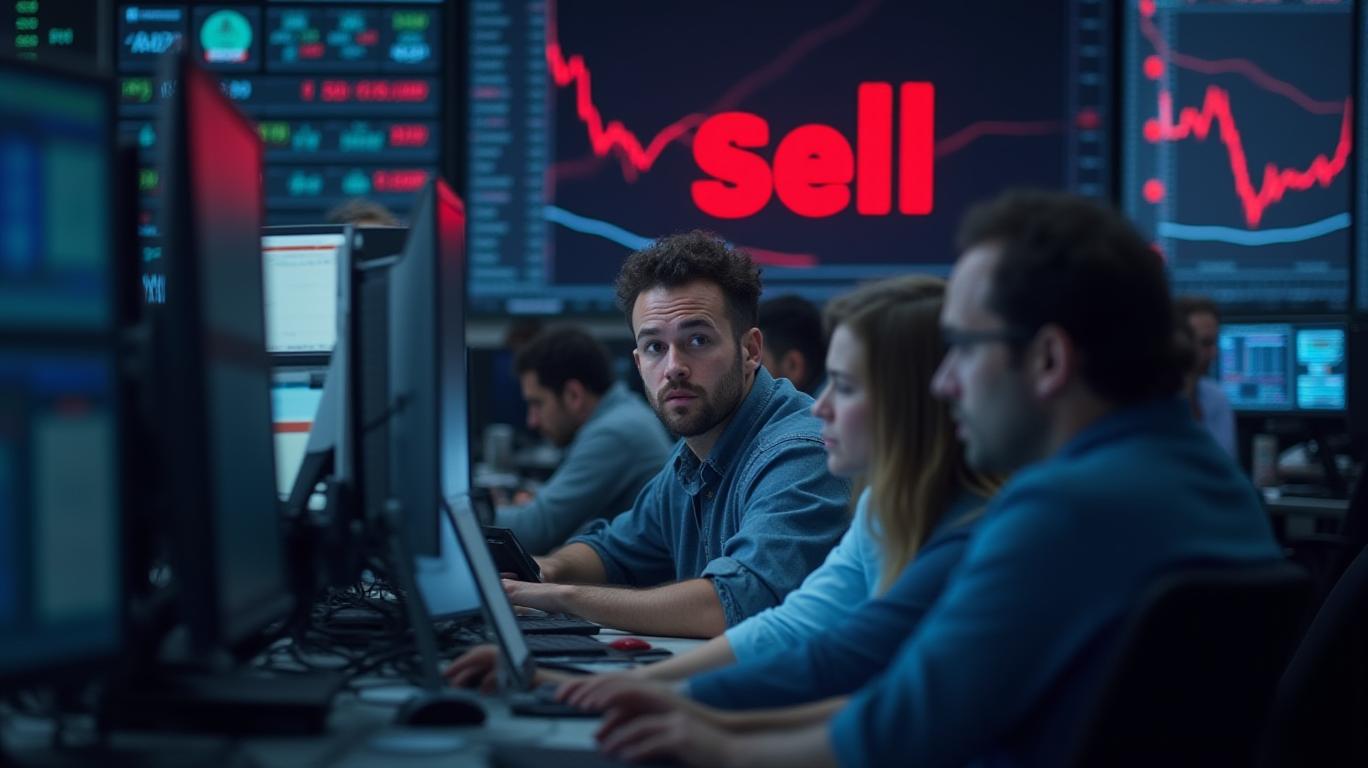
The energy and retail sectors are particularly vulnerable to rising distress in the junk bond market. Energy companies with weaker balance sheets may struggle to refinance their debt as spreads widen, leading to potential defaults and bankruptcies. This could negatively impact the stock prices of these companies and have broader implications for the economy. Similarly, retailers with high debt levels and intense competition may face increased borrowing costs, leading to store closures, layoffs, and even bankruptcies. Any distress in these sectors could have broader implications for the consumer discretionary sector and the overall economy.
In conclusion, the tightening of lending standards by banks is expected to lead to increased demand for junk bonds and potential distress in the high-yield bond market. Investors should be aware of the potential risks and consider the overall investment landscape when making decisions. By staying informed and monitoring the creditworthiness of companies in vulnerable sectors, investors can better navigate the challenges ahead and make more informed investment choices.
X--
As banks tighten their lending standards, investors in the junk bond market may face rising distress in the coming months. The high-yield bond market, which consists of bonds issued by companies with lower credit ratings, is expected to experience increased volatility and potential defaults as a result of this trend. In this article, we will explore the factors contributing to this development and its potential impact on the overall investment landscape.
Banks have been reducing their exposure to riskier borrowers by selling off loans at face value, as seen in the case of X Holdings Corp. (Source: "Morgan Stanley and six other banks sold $4.74 billion of X Holdings Corp. debt"). This trend, coupled with the growing demand for leveraged loans, has led to a tightening of lending standards. As a result, riskier borrowers may struggle to access financing through traditional bank loans, turning to the high-yield bond market as an alternative.
The tightening of lending standards by banks can have several consequences for the high-yield bond market:
1. Increased demand for junk bonds: As riskier borrowers face reduced access to bank loans, they may turn to the high-yield bond market to raise capital. This increased demand can drive up the prices of these bonds, leading to lower yields.
2. Potential for higher yields and wider spreads: If the supply of junk bonds also increases, yields may remain relatively stable or even rise, depending on the balance between supply and demand. This can result in wider spreads between junk bond yields and those of safer investments like Treasury bonds.
3. Potential for increased volatility and risk: As the high-yield bond market becomes more active, there may be increased volatility in prices and yields. Additionally, the higher demand for riskier bonds can lead to a greater concentration of risk in the market, potentially exacerbating the impact of any defaults or economic downturns.
The energy and retail sectors are particularly vulnerable to rising distress in the junk bond market. Energy companies with weaker balance sheets may struggle to refinance their debt as spreads widen, leading to potential defaults and bankruptcies. This could negatively impact the stock prices of these companies and have broader implications for the economy. Similarly, retailers with high debt levels and intense competition may face increased borrowing costs, leading to store closures, layoffs, and even bankruptcies. Any distress in these sectors could have broader implications for the consumer discretionary sector and the overall economy.
In conclusion, the tightening of lending standards by banks is expected to lead to increased demand for junk bonds and potential distress in the high-yield bond market. Investors should be aware of the potential risks and consider the overall investment landscape when making decisions. By staying informed and monitoring the creditworthiness of companies in vulnerable sectors, investors can better navigate the challenges ahead and make more informed investment choices.

Divulgación editorial y transparencia de la IA: Ainvest News utiliza tecnología avanzada de Modelos de Lenguaje Largo (LLM) para sintetizar y analizar datos de mercado en tiempo real. Para garantizar los más altos estándares de integridad, cada artículo se somete a un riguroso proceso de verificación con participación humana.
Mientras la IA asiste en el procesamiento de datos y la redacción inicial, un miembro editorial profesional de Ainvest revisa, verifica y aprueba de forma independiente todo el contenido para garantizar su precisión y cumplimiento con los estándares editoriales de Ainvest Fintech Inc. Esta supervisión humana está diseñada para mitigar las alucinaciones de la IA y garantizar el contexto financiero.
Advertencia sobre inversiones: Este contenido se proporciona únicamente con fines informativos y no constituye asesoramiento profesional de inversión, legal o financiero. Los mercados conllevan riesgos inherentes. Se recomienda a los usuarios que realicen una investigación independiente o consulten a un asesor financiero certificado antes de tomar cualquier decisión. Ainvest Fintech Inc. se exime de toda responsabilidad por las acciones tomadas con base en esta información. ¿Encontró un error? Reportar un problema


SOBRE NOSOTROS
Nuestra historiaAutores de noticiasBase de conocimientosPolítica de privacidadTérmino de usoDescargo de responsabilidad de corretaje de tercerosTérminos de uso de AIMEDivulgaciones de riesgos de AInvest AICarrerasCONTÁCTENOS
Email: support@ainvest.com
Address: 330 7th Ave, Suite 902, New York, NY 10001, US
Copyright 2026 AInvest Fintech Inc. All rights reserved.


Comentarios
Aún no hay comentarios