
Judge Dismisses Comey, James Cases Citing Illegal Indictments by Trump-Linked Prosecutor
A federal judge has dismissed the criminal cases against former FBI Director James Comey and New York Attorney General Letitia James, ruling that the prosecutor who brought the charges was unlawfully appointed. The decision by U.S. District Judge Cameron McGowan Currie invalidates the indictments secured by Lindsey Halligan, the interim U.S. attorney for the Eastern District of Virginia. The ruling marks a significant setback for the Trump administration's legal efforts against its political adversaries.
Comey and James had each pleaded not guilty to their respective charges, which stemmed from separate cases involving alleged false statements and bank fraud. The judge found that Halligan's appointment violated the Justice Department's procedures for interim appointments. 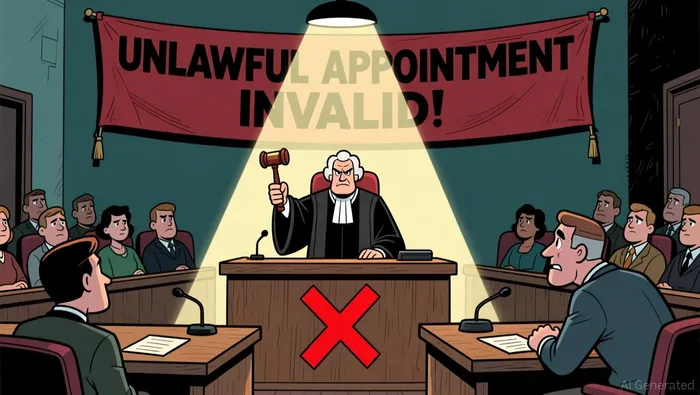 This invalidated the legal authority she had to bring the cases.
The dismissals were based on the argument that Halligan's 120-day interim term overlapped with an earlier one, which rendered her position illegal under federal law. Defense attorneys for both defendants successfully contended that this invalid appointment undermined the integrity of the indictments. The cases were dismissed without prejudice, leaving the door open for prosecutors to refile the charges if they can comply with the legal standards outlined by the judge according to the ruling.
Why the Standoff Happened
The controversy began when President Trump pressured the Justice Department to pursue charges against both Comey and James. Trump reportedly urged Attorney General Pam Bondi to act "NOW!!!" to bring charges against Comey, James, and Rep. Adam Schiff. In response, Bondi appointed Halligan to lead the U.S. Attorney's Office in Virginia after the resignation of the previous attorney, Erik Siebert, who had resisted pursuing the cases according to reports.
Halligan, who had no prior experience as a prosecutor, quickly secured grand jury indictments against both defendants. The move was seen as part of a broader effort by the administration to retaliate against high-profile critics of Trump. Comey, for instance, had testified before Congress during the impeachment inquiry and had been a long-time Trump critic. James had sued Trump in a high-profile civil fraud case, which the judge initially ruled in her favor before an appellate court overturned the damages.
Legal Challenges and the Ruling
Comey's legal team argued that Halligan's appointment was invalid and that this rendered the indictment "fatally flawed." They claimed that the Justice Department had improperly extended the 120-day term, which is the maximum period allowed for an interim appointment without court approval. The defense maintained that the court—not the attorney general—had the authority to appoint a successor after the first term expired according to the ruling.
In response, the Justice Department defended the legality of Halligan's appointment, arguing that each 120-day term is calculated separately. They also asserted that any government attorney could present a case to a grand jury and that Halligan's actions were justified even if her appointment was invalid according to the department. Despite these arguments, Judge Currie ruled in favor of the defendants, emphasizing that the legal process had been improperly followed according to the ruling.
What This Means for the Justice Department
The dismissal of the cases sends a strong signal to the Justice Department about the limits of executive power in legal appointments. It also raises questions about the broader strategy of using interim prosecutors to pursue politically sensitive cases. The ruling could set a precedent for future challenges to similar appointments, particularly in cases where the process appears to be influenced by political pressure.
With the cases dismissed without prejudice, prosecutors may attempt to refile the charges if they can address the legal concerns raised by the court. However, this would require a new appointment process and likely face renewed legal challenges from the defendants. The outcome also highlights the growing scrutiny of the Justice Department's practices under the Trump administration and may lead to calls for reform in how interim prosecutors are appointed according to experts.
The ruling is a major victory for Comey and James, who have both argued that their prosecutions were politically motivated. The decision aligns with a series of legal setbacks for the Trump administration in high-profile cases, further complicating its efforts to assert authority over the judiciary and enforce its policy agenda according to legal analysts.







Comentarios
Aún no hay comentarios