
JPMorgan's H-Share Sell Recommendation: Timing the A/H Spread Normalization for CATL
A/H Spread Anomalies and Strategic Arbitrage
The A/H share spread has long been a focal point for arbitrageurs, exploiting price discrepancies between onshore (A-shares) and offshore (H-shares) listings of Chinese companies. Historically, A-shares have traded at a premium due to factors like restricted foreign access and differing liquidity conditions. However, CATL's case defies this norm. JPMorganJPM-- notes that the current A/H spread for CATL is the narrowest in the entire A/H universe, making it an attractive target for investors seeking to capitalize on normalization.
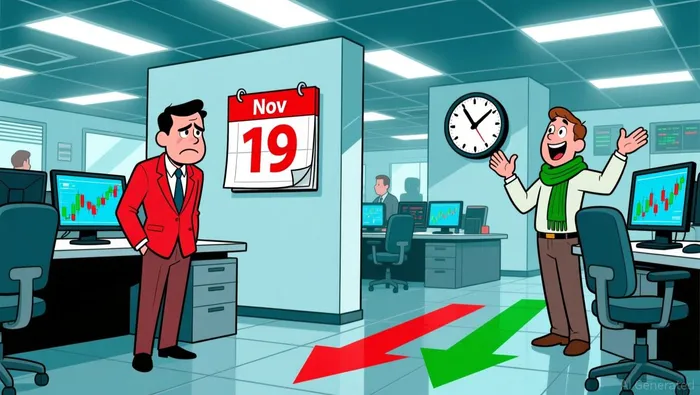
The bank's recommendation is predicated on the expectation that the lock-up expiry will unleash selling pressure on H-shares. Cornerstone investors, who collectively hold nearly 50% of the H shares outstanding, will gain unrestricted access to liquidity post-November 19. This could drive H-share prices down, narrowing the spread and potentially reversing it to align with historical patterns.
Lock-Up Expiry Risks and Crowded Trades
Despite the logic underpinning JPMorgan's strategy, the trade is fraught with risks. The bank acknowledges that short positions on CATL's H shares have surged to $1.5 billion, driven largely by A/H spread arbitrageurs. This high concentration of shorting activity creates a "crowded trade" with significant recall risk-should market conditions shift abruptly, short sellers may face margin calls or forced coverings, exacerbating volatility.
Moreover, JPMorgan itself faces reputational and regulatory headwinds. According to reports, the bank was subpoenaed by a U.S. House committee in July 2025 over its role in underwriting CATL's Hong Kong IPO. This scrutiny is compounded by the U.S. Department of Defense's designation of CATL as a Chinese military company, raising concerns about geopolitical risks for institutions tied to its financing.
Historical Context and Normalization Patterns
To contextualize JPMorgan's thesis, it is instructive to examine historical A/H spread normalization events. Since the 2014 Stock Connect program, A-shares have often traded at a premium of 20-40% over H-shares, despite the latter's perceived governance advantages. However, lock-up expiries have historically acted as catalysts for convergence. For instance, post-lock-up events in 2020-2025 saw spreads narrow by 10-15% within weeks, though outcomes varied based on market sentiment and liquidity conditions.
JPMorgan's analysis suggests that CATL's A/H spread is primed for a similar correction. The bank's confidence stems from the current spread's narrowness and the structural imbalance created by the impending influx of H-share liquidity. Yet, the absence of clear historical parallels-such as for BYD or Li Auto-leaves room for uncertainty.
Strategic Positioning and Investor Considerations
For investors, JPMorgan's recommendation represents a high-conviction bet on market efficiency. Buying A-shares locks in exposure to CATL's domestic growth while hedging against H-share depreciation. Conversely, shorting H-shares capitalizes on the anticipated oversupply post-lock-up. However, the trade's success depends on precise timing and risk tolerance.
The geopolitical dimension adds another layer of complexity. As U.S. regulators intensify scrutiny, CATL's H-shares could face additional headwinds beyond the lock-up expiry. This underscores the need for a diversified approach, balancing arbitrage opportunities with macro-level risks.
Conclusion
JPMorgan's dual recommendation for CATL reflects a nuanced understanding of A/H spread dynamics and the catalytic role of lock-up expiries. While the strategy is grounded in historical patterns and current market imbalances, it is not without pitfalls. Investors must weigh the potential rewards of normalization against the risks of a crowded trade and geopolitical volatility. As the November 19 expiry approaches, the coming weeks will test the resilience of both the A/H spread and the confidence of arbitrageurs.





Comentarios
Aún no hay comentarios