
JPMorgan's Singapore Fine: A Test of Resilience in Asian Markets
Generado por agente de IAWesley Park
domingo, 1 de diciembre de 2024, 11:38 pm ET1 min de lectura
JDIV--
In a significant development, Singapore's central bank has fined U.S. banking giant JPMorgan Chase $1.79 million for failing to prevent and detect misconduct committed by its relationship managers. This fine, while not crippling for the banking behemoth, serves as a stark reminder of the importance of regulatory compliance and the potential reputational risks that misconduct can pose. Let's delve into the implications of this fine and JPMorgan's response.
The misconduct in question involved relationship managers manipulating the timing of client bond trades to benefit JPMorgan's own positions. This practice, which occurred between 2014 and 2019, affected over 70 client accounts and totaled $27 million in trades. The fine highlights JPMorgan's lack of adequate controls and supervision, allowing this misconduct to go undetected for several years.
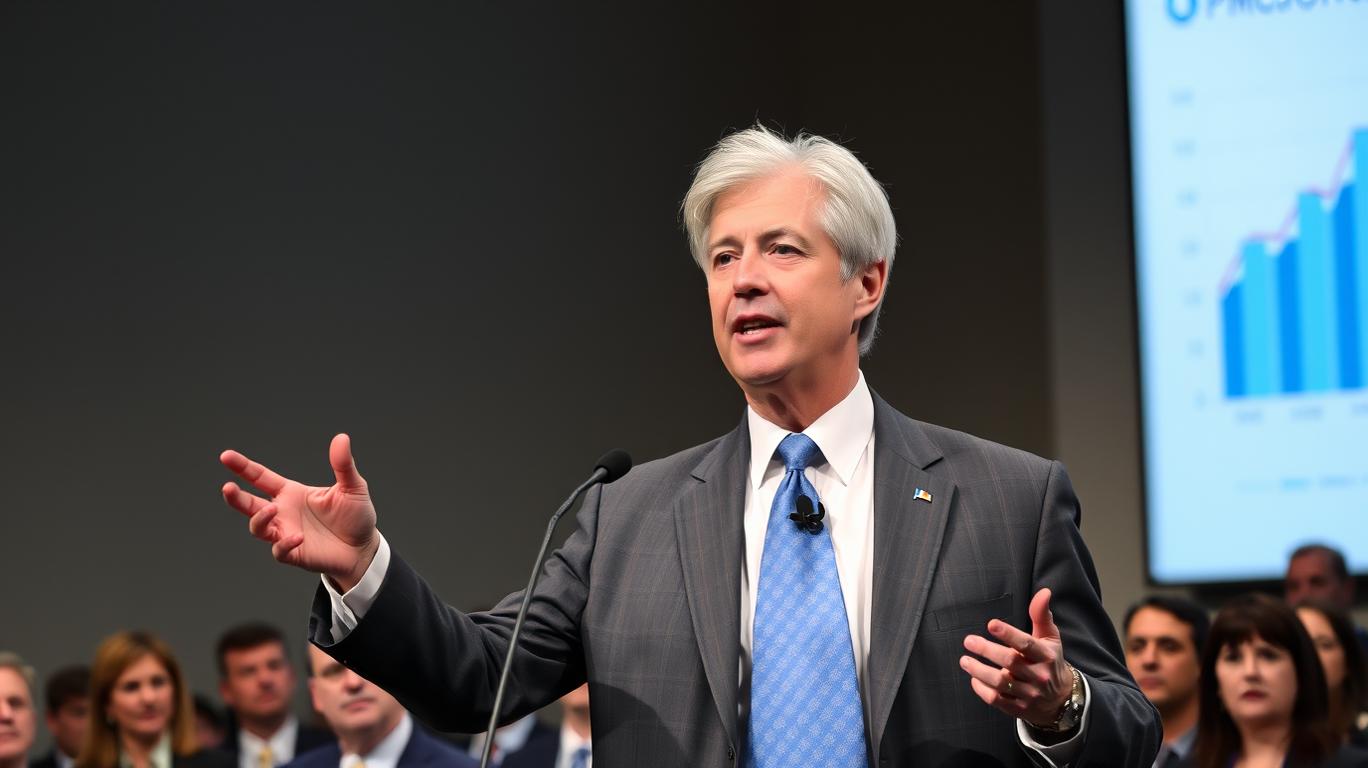
JPMorgan has since taken significant steps to address the identified issues and prevent future occurrences. The bank self-identified the problem and has made enhancements to its venue inventory and data completeness controls. Furthermore, they have onboarded an independent third party to assess their trade surveillance program. JPMorgan's spokesperson stated that they have not found any employee misconduct or harm to clients or the market in their review of the previously uncaptured data.
The fine of S$2.4 million ($1.79 million) imposed on JPMorgan by Singapore's central bank may seem modest compared to the bank's $2.4 trillion market cap. However, it reflects a broader trend of regulatory scrutiny, with the Federal Reserve fining JPMorgan $98.2 million for inadequate monitoring of trading activities. Despite the fines, JPMorgan's stock price has been relatively stable, with a 5% increase year-to-date, indicating investor confidence in the bank's ability to manage such crises effectively.
In conclusion, the fine imposed on JPMorgan by Singapore's central bank serves as a wake-up call for the banking industry to strengthen regulatory compliance measures. While the fine is unlikely to significantly impact JPMorgan's overall market valuation, it emphasizes the importance of robust internal controls and maintaining investor confidence. As JPMorgan continues to address the identified issues and enhance its risk management, investors can remain confident in the bank's resilience and commitment to regulatory compliance.
JPEM--
In a significant development, Singapore's central bank has fined U.S. banking giant JPMorgan Chase $1.79 million for failing to prevent and detect misconduct committed by its relationship managers. This fine, while not crippling for the banking behemoth, serves as a stark reminder of the importance of regulatory compliance and the potential reputational risks that misconduct can pose. Let's delve into the implications of this fine and JPMorgan's response.
The misconduct in question involved relationship managers manipulating the timing of client bond trades to benefit JPMorgan's own positions. This practice, which occurred between 2014 and 2019, affected over 70 client accounts and totaled $27 million in trades. The fine highlights JPMorgan's lack of adequate controls and supervision, allowing this misconduct to go undetected for several years.
JPMorgan has since taken significant steps to address the identified issues and prevent future occurrences. The bank self-identified the problem and has made enhancements to its venue inventory and data completeness controls. Furthermore, they have onboarded an independent third party to assess their trade surveillance program. JPMorgan's spokesperson stated that they have not found any employee misconduct or harm to clients or the market in their review of the previously uncaptured data.
The fine of S$2.4 million ($1.79 million) imposed on JPMorgan by Singapore's central bank may seem modest compared to the bank's $2.4 trillion market cap. However, it reflects a broader trend of regulatory scrutiny, with the Federal Reserve fining JPMorgan $98.2 million for inadequate monitoring of trading activities. Despite the fines, JPMorgan's stock price has been relatively stable, with a 5% increase year-to-date, indicating investor confidence in the bank's ability to manage such crises effectively.
In conclusion, the fine imposed on JPMorgan by Singapore's central bank serves as a wake-up call for the banking industry to strengthen regulatory compliance measures. While the fine is unlikely to significantly impact JPMorgan's overall market valuation, it emphasizes the importance of robust internal controls and maintaining investor confidence. As JPMorgan continues to address the identified issues and enhance its risk management, investors can remain confident in the bank's resilience and commitment to regulatory compliance.

Divulgación editorial y transparencia de la IA: Ainvest News utiliza tecnología avanzada de Modelos de Lenguaje Largo (LLM) para sintetizar y analizar datos de mercado en tiempo real. Para garantizar los más altos estándares de integridad, cada artículo se somete a un riguroso proceso de verificación con participación humana.
Mientras la IA asiste en el procesamiento de datos y la redacción inicial, un miembro editorial profesional de Ainvest revisa, verifica y aprueba de forma independiente todo el contenido para garantizar su precisión y cumplimiento con los estándares editoriales de Ainvest Fintech Inc. Esta supervisión humana está diseñada para mitigar las alucinaciones de la IA y garantizar el contexto financiero.
Advertencia sobre inversiones: Este contenido se proporciona únicamente con fines informativos y no constituye asesoramiento profesional de inversión, legal o financiero. Los mercados conllevan riesgos inherentes. Se recomienda a los usuarios que realicen una investigación independiente o consulten a un asesor financiero certificado antes de tomar cualquier decisión. Ainvest Fintech Inc. se exime de toda responsabilidad por las acciones tomadas con base en esta información. ¿Encontró un error? Reportar un problema


SOBRE NOSOTROS
Nuestra historiaAutores de noticiasBase de conocimientosPolítica de privacidadTérmino de usoDescargo de responsabilidad de corretaje de tercerosTérminos de uso de AIMEDivulgaciones de riesgos de AInvest AICarrerasCONTÁCTENOS
Email: support@ainvest.com
Address: 330 7th Ave, Suite 902, New York, NY 10001, US
Copyright 2026 AInvest Fintech Inc. All rights reserved.


Comentarios
Aún no hay comentarios