
JPMorgan's Kinexys Platform and the Future of Tokenized Alternatives
The Mechanics of Kinexys: Tokenizing the Illiquid
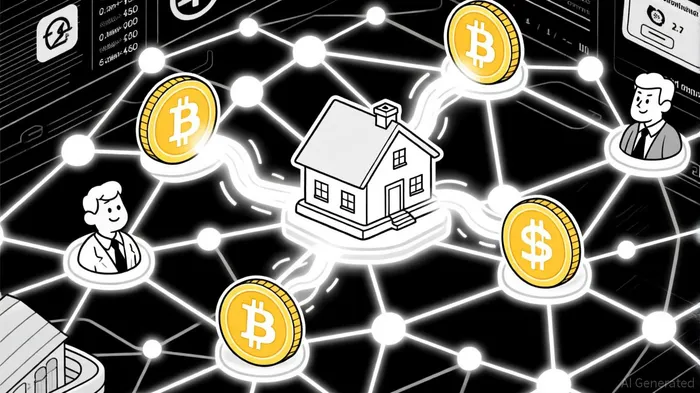
JPMorgan's Kinexys platform operates by converting fund units into on-chain tokens, enabling real-time settlement and reducing administrative overhead by up to 70%, according to a FinanceFeeds report. This process, underpinned by smart contracts, automates compliance, ownership tracking, and redemption workflows, the FinanceFeeds report notes. For instance, in October 2025, JPMorganJPM-- executed its first fund-servicing transaction on Kinexys in collaboration with Citco, marking a critical milestone in modernizing back-office operations for private markets, as The Block reported. By tokenizing assets like private equity and real estate, the platform introduces fractional ownership, allowing investors to access previously exclusive opportunities with lower capital thresholds, as Coinotag reported.
The benefits extend beyond cost efficiency. Traditional private market investments often require months for settlement and lack transparency. Kinexys, however, enables near-instant transfers and real-time visibility into fund performance, the FinanceFeeds report adds. This shift not only democratizes access but also unlocks liquidity in asset classes historically constrained by illiquidity. For example, tokenized real estate or private equity shares can now be collateralized or traded on secondary markets, a capability absent in traditional structures, the FinanceFeeds report argues.
Regulatory Clarity and the Path to Mainstream Adoption
While technological innovation is accelerating, regulatory frameworks have historically lagged. However, 2025 has seen pivotal developments. The Genius Act, a U.S. legislative update, has provided clearer guidelines for tokenized assets, reducing ambiguity around compliance and jurisdictional conflicts, according to a StockTwits article. JPMorgan's Kinexys initiative aligns with these developments, leveraging blockchain to meet regulatory requirements while expanding access. Anton Pil, head of global alternative investment solutions at JPMorgan, emphasizes that tokenization "simplifies the ecosystem for investors and makes it easier to access alternative assets," as Coinotag reported.
Yet challenges persist. The global regulatory landscape remains fragmented, with varying standards across jurisdictions. For Kinexys to scale, JPMorgan must navigate these complexities, particularly as it expands into new asset classes like private credit and hedge funds, according to a Markets.com report. The bank's decade-long blockchain expertise, honed through its Onyx division (rebranded as Kinexys in late 2024), positions it to address these hurdles, Coinotag noted.
The Liquidity Revolution and Market Implications
The tokenization of $30 trillion in real-world assets (RWAs) over the next decade is no longer a theoretical projection but an actionable roadmap, the FinanceFeeds report projects. Kinexys's impact on liquidity is twofold: it reduces the time and cost of transactions while enabling secondary trading of fund shares. This is particularly transformative for private markets, where illiquidity has long deterred smaller investors. By 2026, the platform's full rollout could attract new institutional capital, as tokenized assets offer greater flexibility for portfolio rebalancing and risk management, the FinanceFeeds report suggests.
For investors, the implications are clear. Fractional ownership lowers entry barriers, while smart contracts ensure transparency and mitigate counterparty risks. As BlackRock and other major institutions predict, tokenization is set to become the default infrastructure for capital markets, Markets.com observed. JPMorgan's Kinexys is not merely a technological experiment-it is a blueprint for the future.
Conclusion: A New Era of Investment
JPMorgan's Kinexys platform exemplifies how blockchain can bridge the gap between traditional finance and digital innovation. By enhancing accessibility, liquidity, and transparency, it addresses core inefficiencies in private markets while aligning with regulatory advancements. As the platform scales in 2026, its success will hinge on continued collaboration with regulators and market participants. For investors, the message is unequivocal: the era of tokenized alternatives is here, and the winners will be those who embrace it.





Comentarios
Aún no hay comentarios