
JPMorgan BetaBuilders High-Yield Dividend: A Reward Amid Risks?
The JPMorganJPEM-- BetaBuilders USD High Yield Corporate Bond ETF (BBHY) has announced a dividend of $0.3528, payable to shareholders who own the fund before its upcoming ex-dividend date. This payout, part of BBHY’s monthly distribution strategy, underscores the fund’s focus on income generation from high-yield corporate bonds. But with this enticing dividend comes a critical question: Is the reward worth the inherent risks tied to the high-yield bond market?
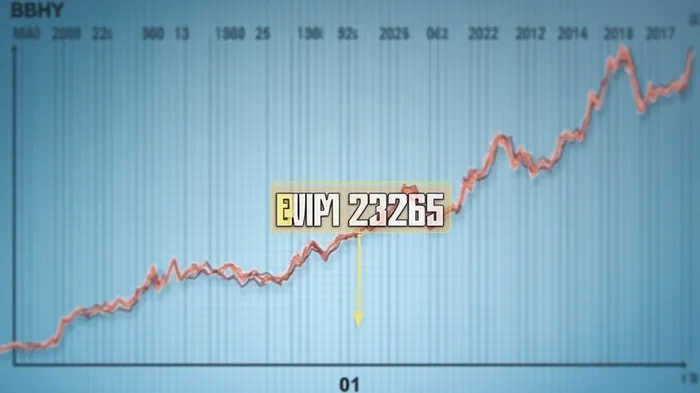
Dividend Details: Timing and Trends
The $0.3528 dividend is projected to be paid following an ex-dividend date between June 2–4, 2025, meaning investors must own shares by the close of trading on June 1 to qualify. While this payout aligns with BBHY’s history of monthly distributions, it reflects a 7.52% decrease from the prior month’s dividend of $0.35. This volatility isn’t unusual for high-yield bond ETFs, which face fluctuations in interest rates, credit conditions, and corporate defaults.
Looking at the broader picture, BBHY’s dividend has seen significant swings over the past three years:
- 11 dividend cuts and 16 increases, indicating a reactive strategy to market shifts.
- A 11.0% dividend growth rate over the past year, driven by favorable conditions for junk bonds.
- A trailing 12-month yield of 7.9%, which annualizes to $3.60 per share, making BBHY a standout income option in a low-yield environment.
The Risks in High-Yield Rewards
High yields often come with high risks. BBHY invests heavily in bonds rated CCC and B, which are closer to default than investment-grade peers. Should economic conditions sour—such as rising unemployment or a credit crunch—the fund’s income stream could shrink abruptly.
Moreover, interest rates play a dual role here:
- Rising rates typically depress bond prices, which could erode BBHY’s NAV.
- Conversely, falling rates might stabilize prices but could also reduce the income generated from new bond purchases.
Peer Performance and Market Context
BBHY’s 7.93% forward yield edges out competitors like the iShares iBoxx $ High Yield Corporate Bond ETF (HYG), which currently offers a 6.6% yield, but BBHY’s risk profile is more aggressive. The fund’s focus on lower-rated issuers amplifies its sensitivity to credit cycles. Investors must weigh this against the potential for higher returns.
Key Takeaways for Investors
- Income Seekers Beware: BBHY’s dividend is compelling, but its volatility and credit risks demand a long-term horizon.
- Interest Rate Sensitivity: Monitor Federal Reserve policy and inflation trends, as these directly impact high-yield bonds.
- Diversification: Use BBHY as a complement—not a core holding—to balance its risks with safer income assets like Treasuries.
Conclusion: A High-Reward, High-Risk Opportunity
The JPMorgan BetaBuilders High-Yield ETF’s $0.3528 dividend offers a clear income advantage, particularly in a low-yield world. However, investors must recognize that this comes with exposure to corporate defaults and interest rate volatility. With a 7.9% trailing yield and a history of monthly payouts, BBHY could be a valuable tool for aggressive income strategies—if paired with disciplined risk management.
For now, BBHY’s dividend remains a beacon of income potential, but its path forward hinges on navigating a tightrope between credit quality and market sentiment. Investors should proceed with eyes wide open.





Comentarios
Aún no hay comentarios