
Jobless Claims and Declining Market Breadth: Market Takeaways
Generado por agente de IAWesley Park
jueves, 12 de diciembre de 2024, 5:49 pm ET1 min de lectura
WTRG--
The recent surge in jobless claims and the decline in market breadth have sparked concern among investors, as these indicators suggest a potential slowdown in the labor market and a narrowing of market participation. In this article, we will delve into the implications of these trends and provide insights to help investors navigate the current market landscape.
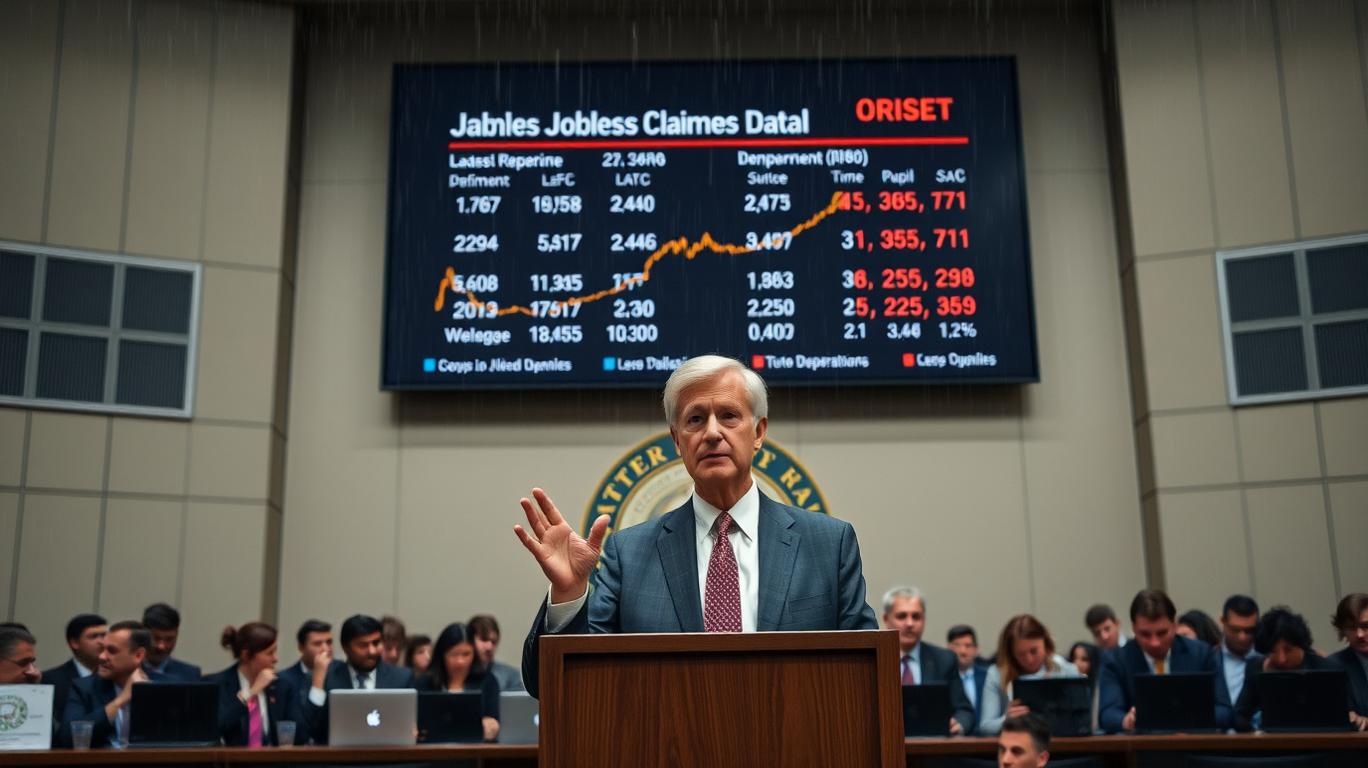
1. Jobless Claims: A Barometer of Economic Health
Jobless claims, reported weekly by the U.S. Department of Labor, serve as a crucial indicator of the labor market's health. The recent increase in jobless claims signals a potential slowdown in the labor market, which could lead to reduced consumer spending and negatively impact economic growth. However, it is essential to consider seasonal adjustments and directional movement in jobless claims data to gain a more accurate picture of the labor market's health.
2. Declining Market Breadth: A Narrowing Market Base
The decline in market breadth, as indicated by a decrease in the number of advancing stocks relative to declining ones, suggests a reduction in the participation of individual stocks in the overall market trend. This is evident in the Advance/Decline (A/D) line, which plots the cumulative difference between advancing and declining stocks. A falling A/D line suggests that fewer stocks are contributing to the market's rise, potentially indicating a lack of conviction or a narrowing of the market's base.
3. Market Takeaways: Navigating the Current Landscape
The recent trends in jobless claims and market breadth have important implications for investors. As the labor market slows down and market participation narrows, investors should consider the following takeaways:
* Focus on defensive sectors: With a potential slowdown in consumer spending, investors may want to allocate more resources to defensive sectors such as utilities, consumer staples, and healthcare.
* Monitor corporate earnings: The impact of a weakening labor market on corporate earnings may be more pronounced in sectors sensitive to consumer spending, such as retail and hospitality.
* Stay vigilant on market breadth: A narrowing market base may indicate a lack of conviction in the current rally, suggesting that investors should be cautious and monitor market breadth indicators closely.
* Maintain a balanced portfolio: In uncertain market conditions, maintaining a balanced portfolio with both growth and value stocks can help investors navigate market fluctuations and capitalize on opportunities as they arise.
In conclusion, the recent surge in jobless claims and the decline in market breadth have important implications for investors. By understanding these trends and their potential impact on the market, investors can make more informed decisions and better navigate the current market landscape. As always, it is essential to stay informed, monitor market developments, and maintain a balanced and diversified portfolio to weather market fluctuations and capitalize on opportunities as they arise.
The recent surge in jobless claims and the decline in market breadth have sparked concern among investors, as these indicators suggest a potential slowdown in the labor market and a narrowing of market participation. In this article, we will delve into the implications of these trends and provide insights to help investors navigate the current market landscape.
1. Jobless Claims: A Barometer of Economic Health
Jobless claims, reported weekly by the U.S. Department of Labor, serve as a crucial indicator of the labor market's health. The recent increase in jobless claims signals a potential slowdown in the labor market, which could lead to reduced consumer spending and negatively impact economic growth. However, it is essential to consider seasonal adjustments and directional movement in jobless claims data to gain a more accurate picture of the labor market's health.
2. Declining Market Breadth: A Narrowing Market Base
The decline in market breadth, as indicated by a decrease in the number of advancing stocks relative to declining ones, suggests a reduction in the participation of individual stocks in the overall market trend. This is evident in the Advance/Decline (A/D) line, which plots the cumulative difference between advancing and declining stocks. A falling A/D line suggests that fewer stocks are contributing to the market's rise, potentially indicating a lack of conviction or a narrowing of the market's base.
3. Market Takeaways: Navigating the Current Landscape
The recent trends in jobless claims and market breadth have important implications for investors. As the labor market slows down and market participation narrows, investors should consider the following takeaways:
* Focus on defensive sectors: With a potential slowdown in consumer spending, investors may want to allocate more resources to defensive sectors such as utilities, consumer staples, and healthcare.
* Monitor corporate earnings: The impact of a weakening labor market on corporate earnings may be more pronounced in sectors sensitive to consumer spending, such as retail and hospitality.
* Stay vigilant on market breadth: A narrowing market base may indicate a lack of conviction in the current rally, suggesting that investors should be cautious and monitor market breadth indicators closely.
* Maintain a balanced portfolio: In uncertain market conditions, maintaining a balanced portfolio with both growth and value stocks can help investors navigate market fluctuations and capitalize on opportunities as they arise.
In conclusion, the recent surge in jobless claims and the decline in market breadth have important implications for investors. By understanding these trends and their potential impact on the market, investors can make more informed decisions and better navigate the current market landscape. As always, it is essential to stay informed, monitor market developments, and maintain a balanced and diversified portfolio to weather market fluctuations and capitalize on opportunities as they arise.

Divulgación editorial y transparencia de la IA: Ainvest News utiliza tecnología avanzada de Modelos de Lenguaje Largo (LLM) para sintetizar y analizar datos de mercado en tiempo real. Para garantizar los más altos estándares de integridad, cada artículo se somete a un riguroso proceso de verificación con participación humana.
Mientras la IA asiste en el procesamiento de datos y la redacción inicial, un miembro editorial profesional de Ainvest revisa, verifica y aprueba de forma independiente todo el contenido para garantizar su precisión y cumplimiento con los estándares editoriales de Ainvest Fintech Inc. Esta supervisión humana está diseñada para mitigar las alucinaciones de la IA y garantizar el contexto financiero.
Advertencia sobre inversiones: Este contenido se proporciona únicamente con fines informativos y no constituye asesoramiento profesional de inversión, legal o financiero. Los mercados conllevan riesgos inherentes. Se recomienda a los usuarios que realicen una investigación independiente o consulten a un asesor financiero certificado antes de tomar cualquier decisión. Ainvest Fintech Inc. se exime de toda responsabilidad por las acciones tomadas con base en esta información. ¿Encontró un error? Reportar un problema


SOBRE NOSOTROS
Nuestra historiaAutores de noticiasBase de conocimientosPolítica de privacidadTérmino de usoDescargo de responsabilidad de corretaje de tercerosTérminos de uso de AIMEDivulgaciones de riesgos de AInvest AICarrerasCONTÁCTENOS
Email: support@ainvest.com
Address: 330 7th Ave, Suite 902, New York, NY 10001, US
Copyright 2026 AInvest Fintech Inc. All rights reserved.


Comentarios
Aún no hay comentarios