
Job Openings Reverse Long Decline, But U.S. Labor Market Still Faces Challenges
Generado por agente de IATheodore Quinn
martes, 7 de enero de 2025, 11:46 am ET1 min de lectura
EQH--
The U.S. labor market has been on a rollercoaster ride since the COVID-19 pandemic, with job openings surging to record highs and then declining for over two years. Now, job openings have reversed their long decline, but the labor market is still not out of the woods. In November, job openings rose to a six-month high of 8.1 million, up from 7.8 million in October. However, this increase is not enough to offset the significant decline in job openings since March 2022, when they reached a record high of 12.2 million.

The decline in job openings has had a significant impact on wage growth and worker bargaining power, particularly in sectors with high demand for labor. In the hospitality and leisure sector, for example, wages grew by 11.5% between February 2020 and February 2023, outpacing the overall wage growth of 8.7% during the same period. However, as job openings have declined, worker bargaining power has softened, and wage growth has slowed.
The continued low layoff rates can be attributed to several factors, including the full restaffing of many businesses since the COVID-19 pandemic and the softening labor market, which has made workers less likely to quit. However, these factors suggest that while layoffs may not increase dramatically, the overall health of the labor market could be influenced by changes in hiring plans and worker confidence.
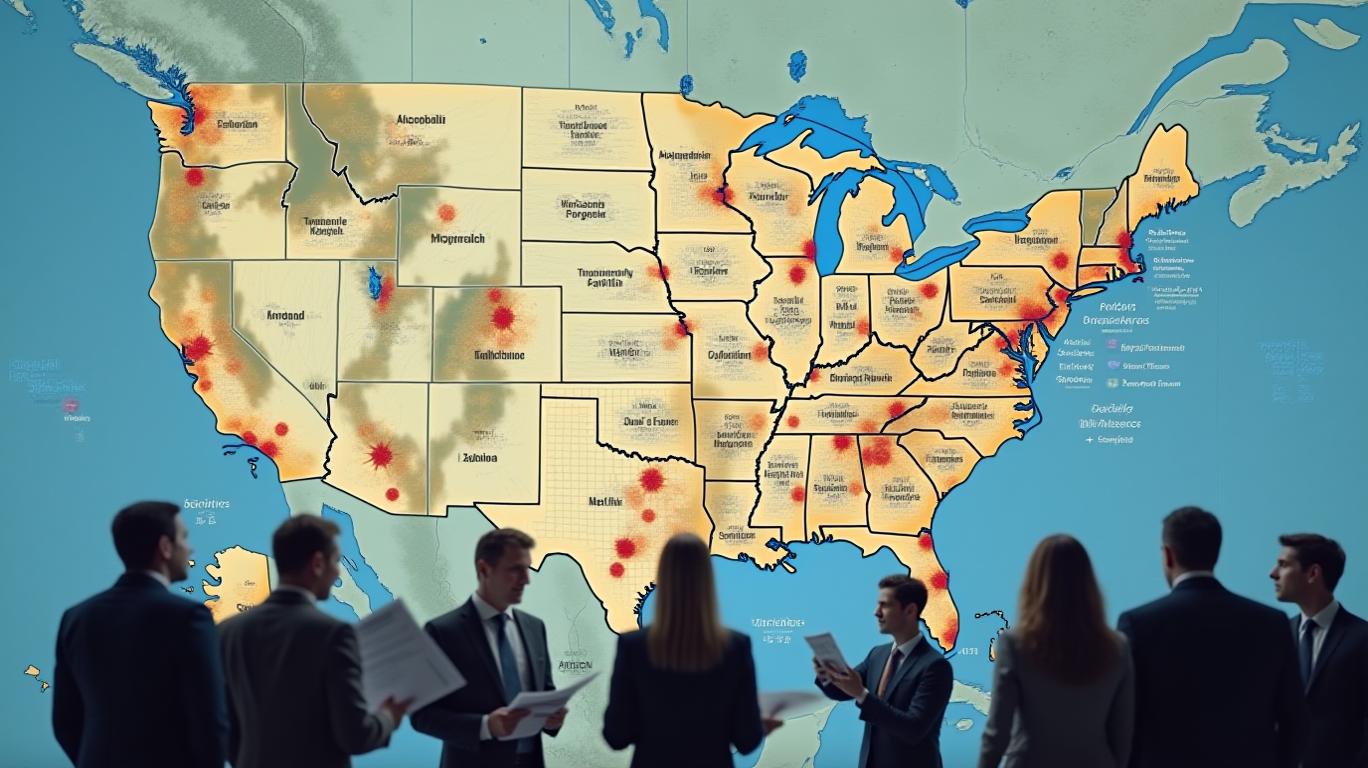
Regional differences in job openings and unemployment rates can significantly impact the overall labor market dynamics. In April 2020, the state unemployment rates ranged from 30.6% in Nevada to 5.2% in Wyoming, highlighting the disproportionate impact of the 2020 recession on certain states. To address these disparities, targeted policies can help, such as the Biden-Harris Administration's policies aimed at providing opportunity for American workers across the country.
In conclusion, while job openings have reversed their long decline, the U.S. labor market still faces challenges, including regional disparities and the impact of declining job openings on wage growth and worker bargaining power. Targeted policies and a balanced approach to addressing these challenges can help ensure a more resilient and equitable labor market recovery.
OAKM--
The U.S. labor market has been on a rollercoaster ride since the COVID-19 pandemic, with job openings surging to record highs and then declining for over two years. Now, job openings have reversed their long decline, but the labor market is still not out of the woods. In November, job openings rose to a six-month high of 8.1 million, up from 7.8 million in October. However, this increase is not enough to offset the significant decline in job openings since March 2022, when they reached a record high of 12.2 million.
The decline in job openings has had a significant impact on wage growth and worker bargaining power, particularly in sectors with high demand for labor. In the hospitality and leisure sector, for example, wages grew by 11.5% between February 2020 and February 2023, outpacing the overall wage growth of 8.7% during the same period. However, as job openings have declined, worker bargaining power has softened, and wage growth has slowed.
The continued low layoff rates can be attributed to several factors, including the full restaffing of many businesses since the COVID-19 pandemic and the softening labor market, which has made workers less likely to quit. However, these factors suggest that while layoffs may not increase dramatically, the overall health of the labor market could be influenced by changes in hiring plans and worker confidence.
Regional differences in job openings and unemployment rates can significantly impact the overall labor market dynamics. In April 2020, the state unemployment rates ranged from 30.6% in Nevada to 5.2% in Wyoming, highlighting the disproportionate impact of the 2020 recession on certain states. To address these disparities, targeted policies can help, such as the Biden-Harris Administration's policies aimed at providing opportunity for American workers across the country.
In conclusion, while job openings have reversed their long decline, the U.S. labor market still faces challenges, including regional disparities and the impact of declining job openings on wage growth and worker bargaining power. Targeted policies and a balanced approach to addressing these challenges can help ensure a more resilient and equitable labor market recovery.

Divulgación editorial y transparencia de la IA: Ainvest News utiliza tecnología avanzada de Modelos de Lenguaje Largo (LLM) para sintetizar y analizar datos de mercado en tiempo real. Para garantizar los más altos estándares de integridad, cada artículo se somete a un riguroso proceso de verificación con participación humana.
Mientras la IA asiste en el procesamiento de datos y la redacción inicial, un miembro editorial profesional de Ainvest revisa, verifica y aprueba de forma independiente todo el contenido para garantizar su precisión y cumplimiento con los estándares editoriales de Ainvest Fintech Inc. Esta supervisión humana está diseñada para mitigar las alucinaciones de la IA y garantizar el contexto financiero.
Advertencia sobre inversiones: Este contenido se proporciona únicamente con fines informativos y no constituye asesoramiento profesional de inversión, legal o financiero. Los mercados conllevan riesgos inherentes. Se recomienda a los usuarios que realicen una investigación independiente o consulten a un asesor financiero certificado antes de tomar cualquier decisión. Ainvest Fintech Inc. se exime de toda responsabilidad por las acciones tomadas con base en esta información. ¿Encontró un error? Reportar un problema




Comentarios
Aún no hay comentarios