
US Job Openings Decline in February Amid Rising Economic Uncertainty
Generado por agente de IACyrus Cole
martes, 1 de abril de 2025, 10:34 am ET2 min de lectura
The latest data from the Bureau of Labor Statistics (BLS) reveals a significant decline in US job openings, falling to 7.6 million in February 2025. This marks a steady decrease from the peak of 12.2 million job openings in March 2022, indicating a cooling job market and broader economic trends that are causing concern among investors and policymakers alike.
The decline in job openings is part of a broader trend of slowing economic growth. The number of vacancies fell slightly from a revised 7.8 million in January and from 8.4 million a year earlier, showing a consistent downward trend. This trend is further supported by the fact that the American job market has lost momentum from the frantic hiring days of 2021-2023. The outlook for hiring is cloudy as President Donald Trump pursues trade wars, purges the federal workforce, and promises to deport millions of immigrants working in the United States illegally. These actions are likely to have a significant impact on the labor market, potentially leading to further job losses and reduced hiring.
The implications for future investment strategies are multifaceted. Investors should be cautious and consider the potential for reduced consumer spending and business investment due to the slowing job market. The uncertainty arising from the administration's actions and pronouncements may weigh on hiring decisions, leading to a more conservative approach to investment. Additionally, the decline in job openings could indicate a shift in the labor market towards more stable, long-term employment rather than short-term hiring spikes, which could affect sectors such as retail and manufacturing that rely on flexible labor.
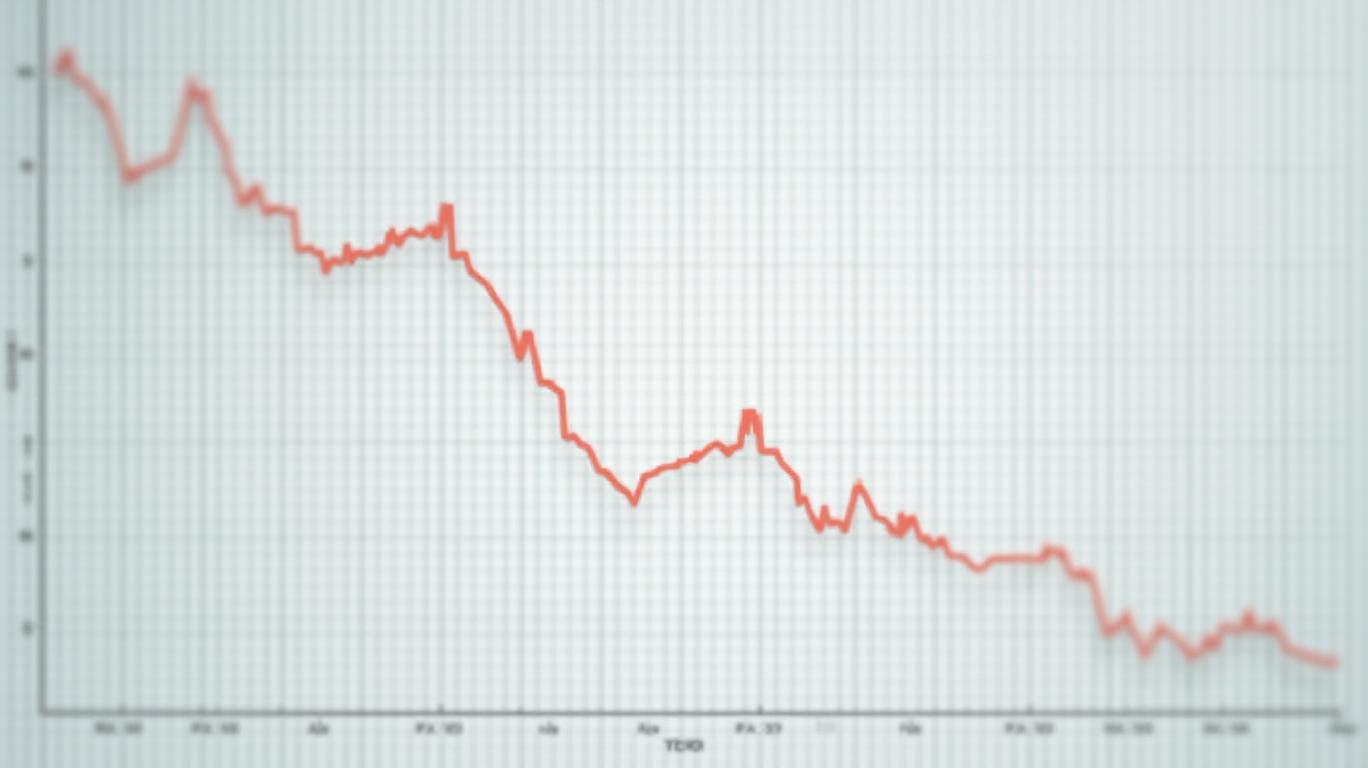
The decline in job openings has significantly impacted specific sectors, particularly health care and social assistance, and state and local government education. In April 2024, job openings decreased by 204,000 in health care and social assistance and by 59,000 in state and local government education. This decline is part of a broader trend where job openings dropped by 296,000 from the previous month to 8.059 million, the lowest level since February 2021. This data is sourced from the U.S. Bureau of Labor Statistics.
Investors can capitalize on opportunities within these sectors by focusing on areas that are expected to see growth despite the overall decline. For instance, the care economy, including roles such as Nursing Professionals, Social Work and Counselling Professionals, and Personal Care Aides, is expected to grow significantly over the next five years. This growth is driven by demographic shifts, particularly the aging population, which increases the demand for healthcare servicesHCSG--. Additionally, the green transition and climate-change mitigation efforts are driving demand for roles such as renewable energy engineers, environmental engineers, and electric and autonomous vehicle specialists. These roles are among the 15 fastest-growing jobs, presenting investment opportunities in renewable energy and sustainable technologies.
Furthermore, the increasing cost of living and general economic slowdown are expected to transform 42% of businesses by 2030. This trend is likely to increase the demand for creative thinking and resilience, flexibility, and agility skills, which are essential for navigating economic uncertainty. Investors can focus on companies that are adapting to these trends by investing in technology-related skills and sustainable practices. For example, roles such as Big Data Specialists, Fintech Engineers, AI and Machine Learning Specialists, and Software and Application Developers are among the fastest-growing jobs in percentage terms, driven by advancements in AI and robotics and increasing digital access. Investing in companies that are at the forefront of these technological advancements can provide significant returns.
In summary, the decline in US job openings in February 2025 reflects a broader trend of slowing economic growth and a cooling job market. This trend has significant implications for future investment strategies, including the need for caution and a more conservative approach to investment. Investors can capitalize on opportunities within the healthcare, education, and technology sectors by focusing on roles and companies that are expected to grow despite the overall decline in job openings. This strategy involves investing in areas that are driven by demographic shifts, technological advancements, and the green transition.



Divulgación editorial y transparencia de la IA: Ainvest News utiliza tecnología avanzada de Modelos de Lenguaje Largo (LLM) para sintetizar y analizar datos de mercado en tiempo real. Para garantizar los más altos estándares de integridad, cada artículo se somete a un riguroso proceso de verificación con participación humana.
Mientras la IA asiste en el procesamiento de datos y la redacción inicial, un miembro editorial profesional de Ainvest revisa, verifica y aprueba de forma independiente todo el contenido para garantizar su precisión y cumplimiento con los estándares editoriales de Ainvest Fintech Inc. Esta supervisión humana está diseñada para mitigar las alucinaciones de la IA y garantizar el contexto financiero.
Advertencia sobre inversiones: Este contenido se proporciona únicamente con fines informativos y no constituye asesoramiento profesional de inversión, legal o financiero. Los mercados conllevan riesgos inherentes. Se recomienda a los usuarios que realicen una investigación independiente o consulten a un asesor financiero certificado antes de tomar cualquier decisión. Ainvest Fintech Inc. se exime de toda responsabilidad por las acciones tomadas con base en esta información. ¿Encontró un error? Reportar un problema


SOBRE NOSOTROS
Nuestra historiaAutores de noticiasBase de conocimientosPolítica de privacidadTérmino de usoDescargo de responsabilidad de corretaje de tercerosTérminos de uso de AIMEDivulgaciones de riesgos de AInvest AICarrerasCONTÁCTENOS
Email: support@ainvest.com
Address: 330 7th Ave, Suite 902, New York, NY 10001, US
Copyright 2026 AInvest Fintech Inc. All rights reserved.


Comentarios
Aún no hay comentarios