
Jindal Steel's Strategic Acquisition Bid for Thyssenkrupp Steel Europe and Its Implications for Green Steel Investment
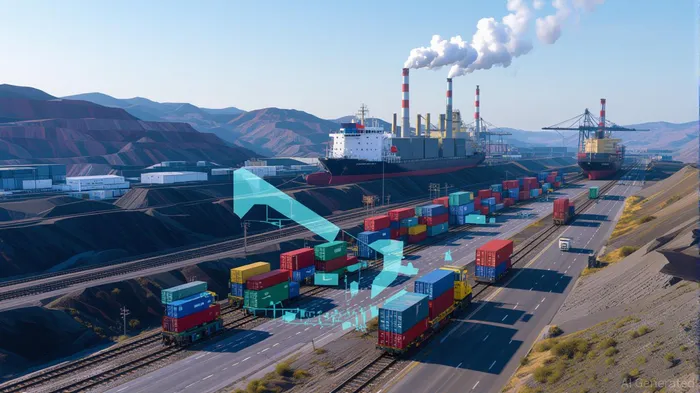
The steel industry is at a crossroads. As global demand for decarbonization intensifies, traditional players are scrambling to align with net-zero goals, and Jindal Steel International's non-binding bid for Thyssenkrupp Steel Europe has emerged as a bold, potentially transformative play in this high-stakes game. With a €2 billion investment pledge and a vision to create Europe's largest integrated low-emission steelmaker, Jindal's move is not just a corporate acquisition—it's a strategic gambit to reshape the continent's industrial landscape. But is this bid financially viable? Can it catalyze the green steel revolution Europe so desperately needs? Let's break it down.
Strategic Rationale: A Green Steel Powerhouse in the Making
Jindal's proposal to acquire Thyssenkrupp Steel Europe is anchored in two pillars: vertical integration and sustainability at scale. By leveraging its existing iron ore reserves in Cameroon and a hydrogen-ready direct reduced iron (DRI) plant in Oman, Jindal aims to create a seamless supply chain from mining to metal processing[1]. This vertical integration reduces exposure to volatile raw material markets and positions the combined entity to dominate low-emission steel production.
The Duisburg DRI project, a cornerstone of the bid, is particularly noteworthy. Completing this facility—paired with expanding electric arc furnace capacity—would align Jindal with the EU's green steel mandates while addressing a critical gap in Thyssenkrupp's legacy operations[2]. According to a report by Business Standard, Jindal's plan to scale production to 30 million tons annually by 2030 hinges on this infrastructure pivot[3]. The support from IG Metall, one of Europe's most influential labor unions, further signals that Jindal's strategy resonates with both workers and policymakers, who see the bid as a lifeline for preserving industrial jobs in Germany[4].
Financial Capacity: Can Jindal Deliver on the €2 Billion Pledge?
Jindal Steel International reported €12 billion in revenues for the 2025 fiscal year, with a 22% EBITDA margin and net leverage of €1.2 billion[5]. While these figures suggest robust profitability, the €2 billion investment for Thyssenkrupp's green transition is no small sum. The company's current net debt-to-EBITDA ratio of 1.4x[6] indicates manageable leverage, but scaling up to 30 million tons of production by 2030 will require disciplined capital allocation.
The key question is whether Jindal can secure additional financing or EU subsidies to bridge any funding gaps. The EU's recent easing of state aid rules—offering grants, tax breaks, and loan guarantees for green projects—could prove pivotal[7]. However, as Reuters highlights, green steel projects like ArcelorMittal's delayed initiatives face headwinds from high hydrogen costs and slow infrastructure development[8]. Jindal's success will depend on its ability to lock in these subsidies while maintaining operational efficiency.
Regulatory and Market Risks: A Bumpy Road Ahead
Europe's green steel ambitions are ambitious but untested at scale. Thyssenkrupp's own struggles with hydrogen procurement—pausing its H2 DRI plant tender due to rising prices—underscore the sector's fragility. Jindal's bid, while visionary, must navigate these challenges. For instance, the economic viability of low-emission steel hinges on customer willingness to pay a premium, a hurdle ArcelorMittalMT-- has yet to overcome.
Moreover, regulatory scrutiny remains a wildcard. While the EU's Clean Industrial Deal aims to bolster competitiveness, policy delays and fragmented market conditions could slow progress. Jindal's ability to execute its DRI and electric arc furnace projects on time—and within budget—will be critical to winning regulatory approval and investor confidence.
The Bottom Line: A High-Risk, High-Reward Bet
Jindal's bid for Thyssenkrupp Steel Europe is a masterclass in strategic ambition. By combining Jindal's global supply chain expertise with Thyssenkrupp's industrial heritage, the deal has the potential to redefine green steel production in Europe. However, investors must weigh the financial risks—particularly the €2 billion investment against Jindal's current leverage—and the sector-wide challenges of hydrogen infrastructure and market adoption.
If Jindal can secure EU subsidies and execute its green transition plan, this acquisition could become a cornerstone of Europe's decarbonization strategy. But if it falters, the bid risks becoming another cautionary tale in the green steel race. For now, the ball is in the court of regulators and shareholders.







Comentarios
Aún no hay comentarios