
JIMMY CLIFF'S LEGACY: HOW ONE ICON LAUNCHED REGGAE'S GLOBAL GROWTH
Jimmy Cliff's legacy underpins this success. His 1972 film The Harder They Come and its soundtrack were the first to introduce reggae's cultural and political resonance to mainstream Western audiences according to Forbes. Though Cliff's U.S. breakthrough remained limited by label shifts, his work created the blueprint for reggae's global appeal-later amplified by artists like Sean Paul, who amassed 11 billion SpotifySPOT-- streams in 2023 alone.
Yet challenges remain. Reggae trails Hip-Hop and Electronic/Dance in U.S. Gen Z and Millennial listener engagement, with just 19% of Gen Z and 30% of Millennials citing it as a primary genre in 2024. Ticket affordability also pressures live revenue, as $300+ prices increasingly deter casual attendees. Cliff's foundational role endures-but reggae's growth hinges on balancing premium success with broader accessibility.
The Cliff Blueprint: Catalog Ownership and Enduring Revenue Streams
Jimmy Cliff's financial legacy demonstrates how strategic catalog ownership creates lasting wealth for artists. His $10–$15 million net worth at death stemmed directly from retaining control of his masters, ensuring decades of posthumous earnings through touring, streaming, and licensing deals. This model proved generational when his 1972 soundtrack The Harder They Come kept introducing new audiences to his work, proving that rights ownership can turn cultural influence into sustained revenue streams.
Industry data shows this approach works globally. Deceased musicians collectively generated $2.1 billion in catalog revenue in 2024, validating Cliff's blueprint. Streaming amplifies such value-artists like Sean Paul now earn billions from platforms like Spotify, but Cliff achieved this through sheer catalog strength rather than modern streaming metrics.
Yet Cliff's U.S. commercial limitations reveal catalog ownership's boundaries. Despite global recognition from his film, label shifts and pop experiments limited his mainstream breakthrough here. His mentoring of Bob Marley also underscores that cultural impact doesn't always translate to domestic market penetration. Artists must balance artistic integrity with commercial viability-even with legendary catalogs.
For modern creators, Cliff's story shows how rights retention creates financial resilience. His estate continues earning from master recordings, proving that cultural legacy can fund future generations. But his U.S. market challenges remind us that catalog value depends on both global appeal and regional execution. The blueprint works, but requires navigating both artistic and commercial landscapes.
Genre Viability: Demographics, Competition, and Growth Constraints
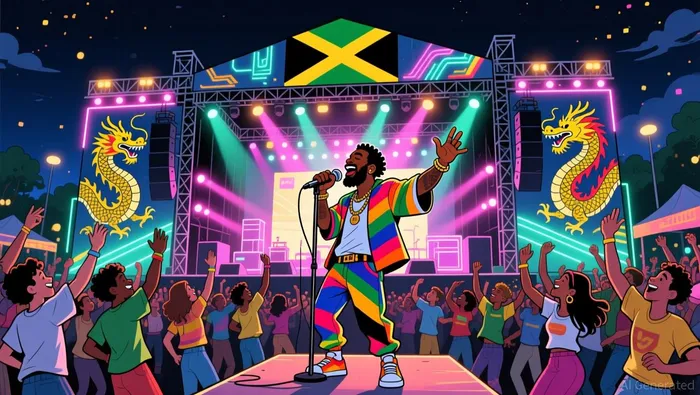
Reggae sustains a loyal but niche audience within the broader music ecosystem. Demographic data confirms its dedicated base, with 19% of Gen Z and 30% of Millennials engaging with the genre in 2024 according to market analysis. However, this reach significantly trails dominant genres like Hip-Hop/Rap and Electronic/Dance, indicating limited mainstream penetration despite international appeal. This generational engagement provides a foundation but doesn't translate into market leadership.
The enduring power of legacy catalogs presents a notable upside. Deceased musicians collectively generated $2.1 billion in revenue in 2024 according to financial reports, underscoring the substantial financial value of iconic catalogs. Jimmy Cliff's estate exemplifies this, amassing a $10–15 million net worth through retained master ownership, streaming royalties, and licensing deals. His strategic control over his catalog, amplified by The Harder They Come's global success, demonstrates a replicable path to sustained posthumous income. This highlights reggae's potential for long-term, low-maintenance revenue streams if catalog ownership structures are optimized.
Yet, significant constraints hamper reggae's growth in the critical U.S. live market. Skyrocketing ticket prices act as a major friction point, deterring broader audience participation. Even record-setting tours like Buju Banton's "The Overcomer Tour," which achieved a $300 average ticket price and $1,449 premium tickets in Toronto, operate within an accessibility bubble. This pricing pressure conflicts with the genre's core appeal of accessibility and community, potentially limiting its ability to expand beyond its current core fanbase and compete effectively with genres offering more scalable live experiences.
Future Scenarios and Catalysts for Reggae Expansion
Reggae's commercial momentum faces a pivotal inflection point. Damian Marley's high-profile global tours-building on Buju Banton's historic 19,000-capacity arena headline shows-signal a generational shift toward live performance scale. These events prioritize cultural authenticity over commercial polish, resonating with younger audiences while maintaining legacy appeal. However, streaming volatility remains a headwind: despite Sean Paul's 11 billion Spotify streams in 2023, reggae's revenue growth still lags behind Latin America's 19.4% surge in global music markets, where regional labels aggressively capture market share through localized digital strategies.
Bob Marley's enduring catalog provides a unique anchor. "Legend" remains the best-selling reggae album with 33 million+ units sold, dominating Billboard's 2023 Year-End charts for four consecutive years. This legacy generates passive royalty streams that fund cross-generational artist development, but risks over-reliance on historical IP. Meanwhile, Latin America's 19.4% market growth creates competitive pressure-major labels like Universal Music leverage Marley's catalog while emerging Latin artists capture streaming dominance through algorithm-friendly content. This bifurcation means reggae's future depends on balancing authentic live experiences with data-driven digital monetization.
For investors, valuation hinges on penetration rate trajectory. Damian Marley's tour success proves demand for premium live events, but the genre's cost/performance ratio remains stretched versus high-volume streaming models. If Latin American streaming platforms can replicate Buju Banton's venue capacity breakthroughs through viral content strategies, reggae's growth ceiling could expand-but execution risks abound in fragmented licensing ecosystems. The genre's next milestone requires converting concert momentum into digital engagement at scale.







Comentarios
Aún no hay comentarios