
Jeju Air Crash: Concrete Wall at Runway End Raises Safety Concerns
Generado por agente de IANathaniel Stone
lunes, 30 de diciembre de 2024, 5:34 pm ET2 min de lectura
BA--
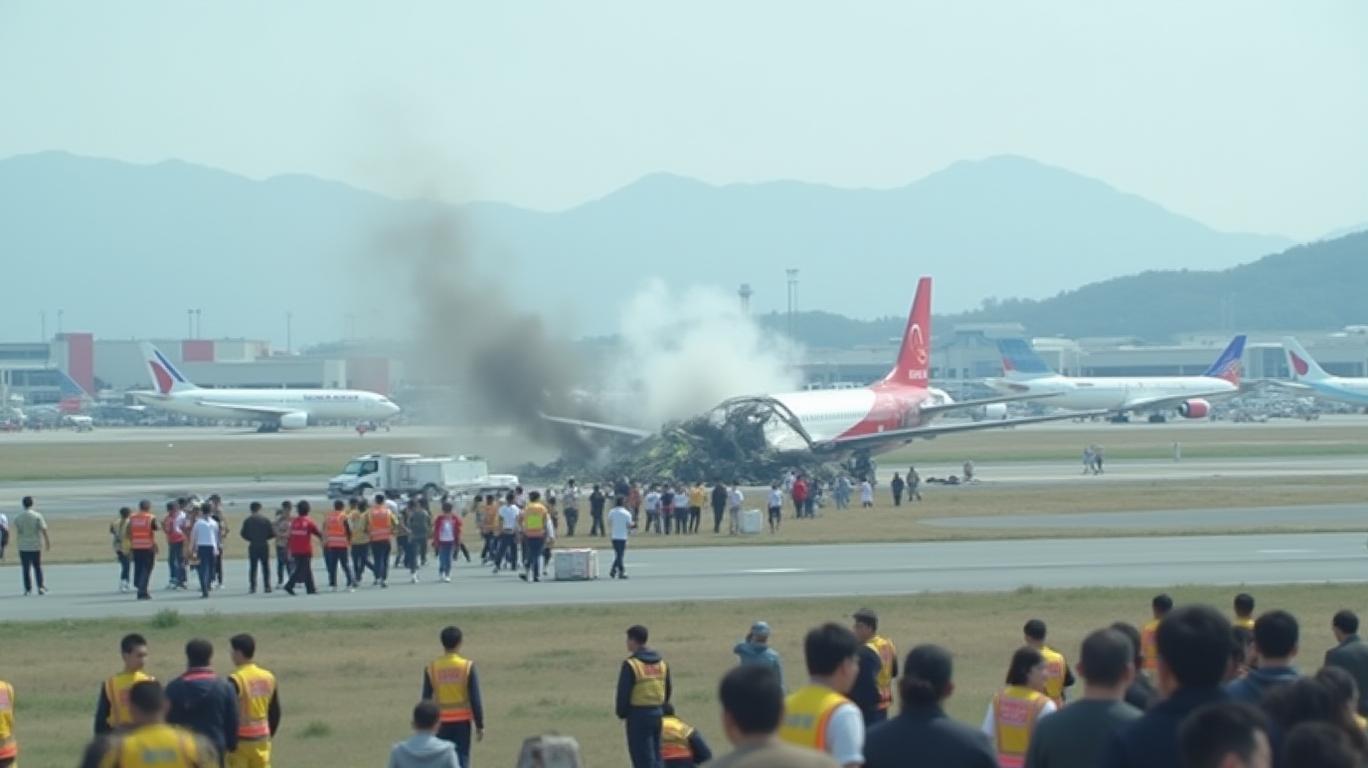
The tragic crash of a Jeju Air Boeing 737-800 at Muan International Airport in South Korea on December 29, 2024, has raised questions about the safety of concrete walls at the end of runways. The crash, which resulted in the deaths of 179 people, has sparked an investigation into the potential role of the concrete fence housing localizer antennas in the severity of the incident.
The proximity of the concrete wall to the runway has been identified as a potential factor in the crash. The wall, which housed a set of antennas designed to guide aircraft safely during landings, was located close to the end of the runway. This positioning could have contributed to the severity of the crash, as the plane hit the fence after overshooting the runway. Experts have suggested that the fence should have been made with lighter materials that would break more easily upon impact, or that an engineered material arresting system should have been used instead. This would have allowed the plane to sink into the ground and slow down, potentially minimizing damage and injuries.
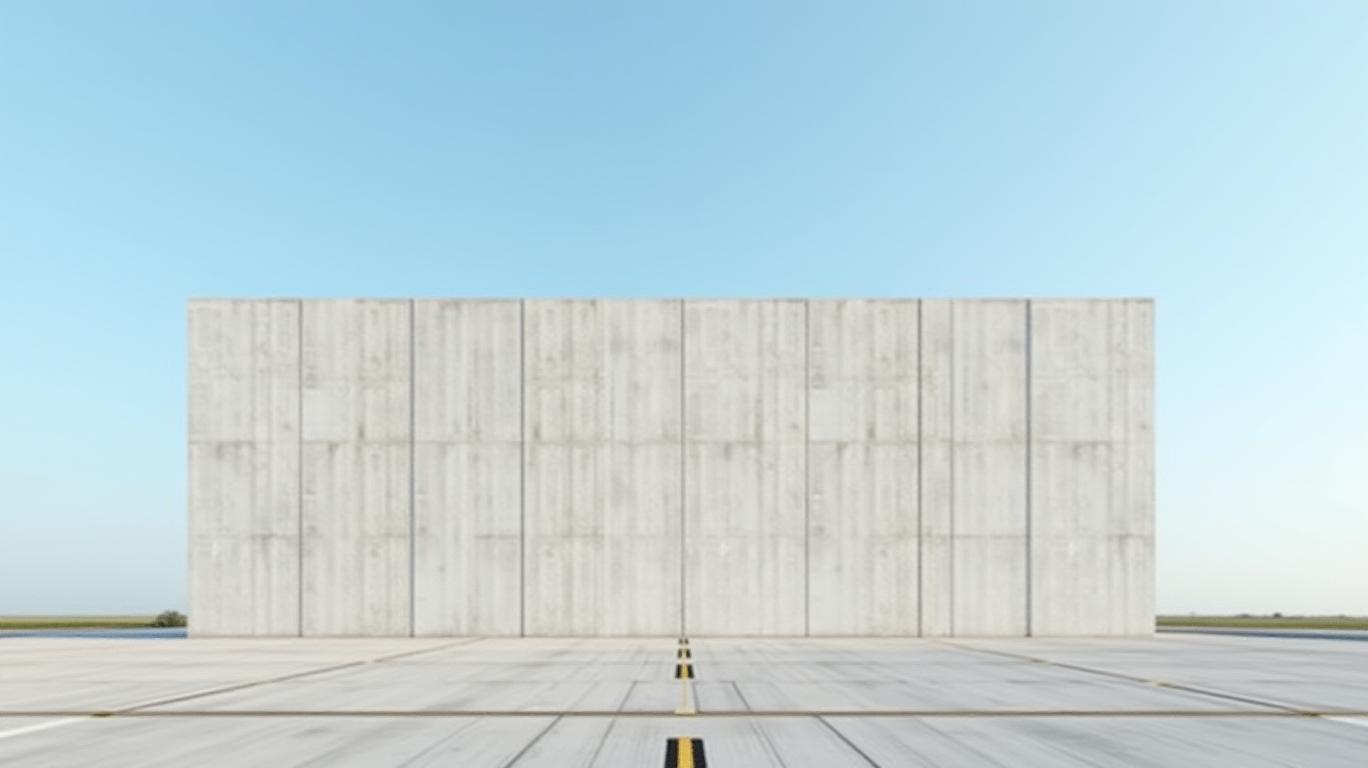
South Korean Transport Ministry officials are now considering whether the fence that housed the localizer antennas should have been made with lighter materials that would break more easily upon impact. They are also looking into whether there were any communication problems between air traffic controllers and the pilot that may have contributed to the crash. The ministry has ordered an immediate inspection of all Boeing 737-800 aircraft operated by the country’s airlines, highlighting the importance of safety in the wake of the disaster.
The proximity of the concrete fence to the runway has raised concerns about the safety of similar structures at other airports. While concrete walls are designed to protect the localizer antennas, they can also pose a significant risk to aircraft in the event of an overrun. Experts have suggested that airports should consider using lighter materials or engineered material arresting systems to minimize the risk of severe damage and injury in case of a crash.
International aviation safety standards, such as those set by the International Civil Aviation Organization (ICAO), recommend that runway end safety areas (RESA) should be provided to reduce the risk of damage to aircraft in case of overruns. The RESA should be at least 240 meters (787 feet) wide and 90 meters (295 feet) beyond the end of the runway. Additionally, ICAO recommends that obstacles within the RESA should be minimized and, if present, should be designed to break away or collapse upon impact.
The investigation into the Jeju Air crash will likely focus on whether the positioning of the localizer antennas and the materials used for their construction contributed to the severity of the crash. As the investigation continues, airports around the world may want to reevaluate the safety of their own runway end structures to ensure they meet international standards and minimize the risk of similar tragedies in the future.
In conclusion, the Jeju Air crash has raised important questions about the safety of concrete walls at the end of runways. As the investigation into the crash continues, airports around the world should consider reevaluating their own runway end structures to ensure they meet international safety standards and minimize the risk of similar tragedies in the future.
The tragic crash of a Jeju Air Boeing 737-800 at Muan International Airport in South Korea on December 29, 2024, has raised questions about the safety of concrete walls at the end of runways. The crash, which resulted in the deaths of 179 people, has sparked an investigation into the potential role of the concrete fence housing localizer antennas in the severity of the incident.
The proximity of the concrete wall to the runway has been identified as a potential factor in the crash. The wall, which housed a set of antennas designed to guide aircraft safely during landings, was located close to the end of the runway. This positioning could have contributed to the severity of the crash, as the plane hit the fence after overshooting the runway. Experts have suggested that the fence should have been made with lighter materials that would break more easily upon impact, or that an engineered material arresting system should have been used instead. This would have allowed the plane to sink into the ground and slow down, potentially minimizing damage and injuries.
South Korean Transport Ministry officials are now considering whether the fence that housed the localizer antennas should have been made with lighter materials that would break more easily upon impact. They are also looking into whether there were any communication problems between air traffic controllers and the pilot that may have contributed to the crash. The ministry has ordered an immediate inspection of all Boeing 737-800 aircraft operated by the country’s airlines, highlighting the importance of safety in the wake of the disaster.
The proximity of the concrete fence to the runway has raised concerns about the safety of similar structures at other airports. While concrete walls are designed to protect the localizer antennas, they can also pose a significant risk to aircraft in the event of an overrun. Experts have suggested that airports should consider using lighter materials or engineered material arresting systems to minimize the risk of severe damage and injury in case of a crash.
International aviation safety standards, such as those set by the International Civil Aviation Organization (ICAO), recommend that runway end safety areas (RESA) should be provided to reduce the risk of damage to aircraft in case of overruns. The RESA should be at least 240 meters (787 feet) wide and 90 meters (295 feet) beyond the end of the runway. Additionally, ICAO recommends that obstacles within the RESA should be minimized and, if present, should be designed to break away or collapse upon impact.
The investigation into the Jeju Air crash will likely focus on whether the positioning of the localizer antennas and the materials used for their construction contributed to the severity of the crash. As the investigation continues, airports around the world may want to reevaluate the safety of their own runway end structures to ensure they meet international standards and minimize the risk of similar tragedies in the future.
In conclusion, the Jeju Air crash has raised important questions about the safety of concrete walls at the end of runways. As the investigation into the crash continues, airports around the world should consider reevaluating their own runway end structures to ensure they meet international safety standards and minimize the risk of similar tragedies in the future.

Divulgación editorial y transparencia de la IA: Ainvest News utiliza tecnología avanzada de Modelos de Lenguaje Largo (LLM) para sintetizar y analizar datos de mercado en tiempo real. Para garantizar los más altos estándares de integridad, cada artículo se somete a un riguroso proceso de verificación con participación humana.
Mientras la IA asiste en el procesamiento de datos y la redacción inicial, un miembro editorial profesional de Ainvest revisa, verifica y aprueba de forma independiente todo el contenido para garantizar su precisión y cumplimiento con los estándares editoriales de Ainvest Fintech Inc. Esta supervisión humana está diseñada para mitigar las alucinaciones de la IA y garantizar el contexto financiero.
Advertencia sobre inversiones: Este contenido se proporciona únicamente con fines informativos y no constituye asesoramiento profesional de inversión, legal o financiero. Los mercados conllevan riesgos inherentes. Se recomienda a los usuarios que realicen una investigación independiente o consulten a un asesor financiero certificado antes de tomar cualquier decisión. Ainvest Fintech Inc. se exime de toda responsabilidad por las acciones tomadas con base en esta información. ¿Encontró un error? Reportar un problema


SOBRE NOSOTROS
Nuestra historiaAutores de noticiasBase de conocimientosPolítica de privacidadTérmino de usoDescargo de responsabilidad de corretaje de tercerosTérminos de uso de AIMEDivulgaciones de riesgos de AInvest AICarrerasCONTÁCTENOS
Email: support@ainvest.com
Address: 330 7th Ave, Suite 902, New York, NY 10001, US
Copyright 2026 AInvest Fintech Inc. All rights reserved.


Comentarios
Aún no hay comentarios