
JD Power: EV Charger Reliability Improves, Despite NEVI Funding Cuts.
PorAinvest
lunes, 25 de agosto de 2025, 12:54 pm ET2 min de lectura
TSLA--
J.D. Power has released its 2025 U.S. Electric Vehicle Experience (EVX) Public Charging Study, revealing mixed results in EV owner satisfaction. While overall satisfaction has declined due to increased charging costs, the study notes an improvement in charging reliability, with non-charging visits at public EV chargers at their lowest level in four years [1].
Key Findings
# Decreased Satisfaction Amid Cost Concerns
Satisfaction with DC fast chargers has fallen to 654, a 10-point decrease from the same period last year, with notable declines in factors related to payment and cost. Similarly, satisfaction with public Level 2 charging has decreased to 607, a 7-point drop year over year. The cost of charging is the least satisfying aspect for DC fast charger users, with a score of 430, a 16-point decrease from the previous year [1].
# Reliability Improvements
Despite the drop in overall satisfaction, charging reliability has improved. Only 14% of EV owners reported visiting a charger without successfully charging their vehicle, a significant decrease of 5 percentage points from 2024. This improvement is attributed to the industry's collective commitment to advancing public charging infrastructure despite federal funding delays [1].
Tesla's Dominance in Fast Charging
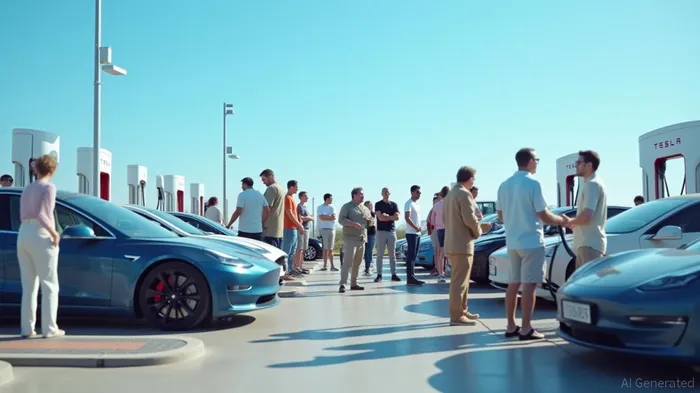
Tesla's Supercharger network continues to lead in customer satisfaction for DC fast chargers, with a score of 709, despite a 22-point decline from last year. Non-Tesla automaker-operated networks, such as the Mercedes-Benz Charging Network and Rivian Adventure Network, also show strong early performance, earning a satisfaction score of 709, on par with Tesla. However, third-party DC fast charger providers average a score of 591 [1].
Regional and City-Level Variations
The study found that reliability is worst in the Pacific region, with a 21% rate of non-charge visits and 12% reporting wait times for available chargers. In contrast, the East South Central region has the lowest incidence of both issues, with 7% non-charge visits and 5% wait times. Among major cities, EV owners in Seattle and Los Angeles reported high rates of unsuccessful charging attempts, while drivers in San Francisco and Denver experienced wait times more frequently [1].
First-Time vs. Veteran EV Owners
Satisfaction is higher among first-time EV owners compared to veteran owners. For Level 2 chargers, first-time owners scored 610, while veterans scored 592. The satisfaction gap for DC fast chargers is smaller, with first-time owners scoring 654 and veterans scoring 648. This trend may be due to veteran owners having higher expectations for technological advancements [1].
Study Rankings
Tesla Destination ranks highest among Level 2 charging stations, with a score of 661. Tesla Supercharger ranks highest among DC fast chargers, with a score of 709. ChargePoint and Red E follow as the second-highest ranked providers in their respective categories [1].
Conclusion
The 2025 U.S. Electric Vehicle Experience (EVX) Public Charging Study highlights mixed results in EV owner satisfaction. While charging costs and payment issues remain significant concerns, charging reliability has improved. Tesla's Supercharger network continues to lead in customer satisfaction, while non-Tesla automaker-operated networks show promising early performance. The study underscores the need for the industry to focus on improving reliability, ease of use, and addressing cost concerns to enhance the overall public EV charging experience [1].
References
[1] https://www.carpro.com/blog/j.d.-power-ev-charger-satisfaction-study
[2] https://www.notateslaapp.com/news/3056/tesla-superchargers-rank-1-in-satisfaction-for-third-straight-year
J.D. Power reports that charging experience for electric vehicles in the US has improved in 2025, with fewer users experiencing issues with charger reliability. Customers' biggest complaints were related to charging costs and payment process issues. Tesla's Supercharger network remains the gold standard for fast-charging experiences, beating the industry average. Non-Tesla automaker-operated networks, such as Mercedes-Benz Charging Network and Rivian Adventure Network, also showed improvement.
Title: J.D. Power Reports Mixed EV Charging Experience in 2025J.D. Power has released its 2025 U.S. Electric Vehicle Experience (EVX) Public Charging Study, revealing mixed results in EV owner satisfaction. While overall satisfaction has declined due to increased charging costs, the study notes an improvement in charging reliability, with non-charging visits at public EV chargers at their lowest level in four years [1].
Key Findings
# Decreased Satisfaction Amid Cost Concerns
Satisfaction with DC fast chargers has fallen to 654, a 10-point decrease from the same period last year, with notable declines in factors related to payment and cost. Similarly, satisfaction with public Level 2 charging has decreased to 607, a 7-point drop year over year. The cost of charging is the least satisfying aspect for DC fast charger users, with a score of 430, a 16-point decrease from the previous year [1].
# Reliability Improvements
Despite the drop in overall satisfaction, charging reliability has improved. Only 14% of EV owners reported visiting a charger without successfully charging their vehicle, a significant decrease of 5 percentage points from 2024. This improvement is attributed to the industry's collective commitment to advancing public charging infrastructure despite federal funding delays [1].
Tesla's Dominance in Fast Charging
Tesla's Supercharger network continues to lead in customer satisfaction for DC fast chargers, with a score of 709, despite a 22-point decline from last year. Non-Tesla automaker-operated networks, such as the Mercedes-Benz Charging Network and Rivian Adventure Network, also show strong early performance, earning a satisfaction score of 709, on par with Tesla. However, third-party DC fast charger providers average a score of 591 [1].
Regional and City-Level Variations
The study found that reliability is worst in the Pacific region, with a 21% rate of non-charge visits and 12% reporting wait times for available chargers. In contrast, the East South Central region has the lowest incidence of both issues, with 7% non-charge visits and 5% wait times. Among major cities, EV owners in Seattle and Los Angeles reported high rates of unsuccessful charging attempts, while drivers in San Francisco and Denver experienced wait times more frequently [1].
First-Time vs. Veteran EV Owners
Satisfaction is higher among first-time EV owners compared to veteran owners. For Level 2 chargers, first-time owners scored 610, while veterans scored 592. The satisfaction gap for DC fast chargers is smaller, with first-time owners scoring 654 and veterans scoring 648. This trend may be due to veteran owners having higher expectations for technological advancements [1].
Study Rankings
Tesla Destination ranks highest among Level 2 charging stations, with a score of 661. Tesla Supercharger ranks highest among DC fast chargers, with a score of 709. ChargePoint and Red E follow as the second-highest ranked providers in their respective categories [1].
Conclusion
The 2025 U.S. Electric Vehicle Experience (EVX) Public Charging Study highlights mixed results in EV owner satisfaction. While charging costs and payment issues remain significant concerns, charging reliability has improved. Tesla's Supercharger network continues to lead in customer satisfaction, while non-Tesla automaker-operated networks show promising early performance. The study underscores the need for the industry to focus on improving reliability, ease of use, and addressing cost concerns to enhance the overall public EV charging experience [1].
References
[1] https://www.carpro.com/blog/j.d.-power-ev-charger-satisfaction-study
[2] https://www.notateslaapp.com/news/3056/tesla-superchargers-rank-1-in-satisfaction-for-third-straight-year


Divulgación editorial y transparencia de la IA: Ainvest News utiliza tecnología avanzada de Modelos de Lenguaje Largo (LLM) para sintetizar y analizar datos de mercado en tiempo real. Para garantizar los más altos estándares de integridad, cada artículo se somete a un riguroso proceso de verificación con participación humana.
Mientras la IA asiste en el procesamiento de datos y la redacción inicial, un miembro editorial profesional de Ainvest revisa, verifica y aprueba de forma independiente todo el contenido para garantizar su precisión y cumplimiento con los estándares editoriales de Ainvest Fintech Inc. Esta supervisión humana está diseñada para mitigar las alucinaciones de la IA y garantizar el contexto financiero.
Advertencia sobre inversiones: Este contenido se proporciona únicamente con fines informativos y no constituye asesoramiento profesional de inversión, legal o financiero. Los mercados conllevan riesgos inherentes. Se recomienda a los usuarios que realicen una investigación independiente o consulten a un asesor financiero certificado antes de tomar cualquier decisión. Ainvest Fintech Inc. se exime de toda responsabilidad por las acciones tomadas con base en esta información. ¿Encontró un error? Reportar un problema


SOBRE NOSOTROS
Nuestra historiaAutores de noticiasBase de conocimientosPolítica de privacidadTérmino de usoDescargo de responsabilidad de corretaje de tercerosTérminos de uso de AIMEDivulgaciones de riesgos de AInvest AICarrerasCONTÁCTENOS
Email: support@ainvest.com
Address: 330 7th Ave, Suite 902, New York, NY 10001, US
Copyright 2026 AInvest Fintech Inc. All rights reserved.


Comentarios
Aún no hay comentarios