
JD.com (JD): Bull Case Theory – Logistics Dominance and Rural Growth Fuel a Rebound Play
China's e-commerce landscape is undergoing a post-pandemic recovery, and JDJD--.com (NASDAQ: JD) stands poised to capitalize on this shift. With its unmatched logistics infrastructure, robust retention metrics, and strategic moves into underpenetrated rural markets, JD is a prime candidate for investors seeking exposure to a resurgent consumer sector. Here's why the bull case for JD is compelling.
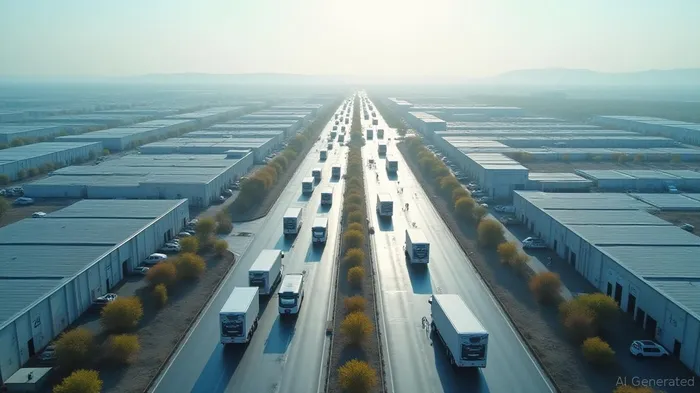
Logistics Dominance: The Unseen Moat
JD's crown jewel is its logistics network. With over 40 “Asia No. 1” intelligent logistics parks and a fleet transitioning to electric vehicles, JD boasts a 95% delivery rate within 24 hours for retail orders in China—a metric unmatched by peers like Alibaba's Cainiao Network or SF Express. This infrastructure isn't just about speed; it's a profit engine.
The data shows JD's improved operational efficiency (4.9% margin in Q1 2025) outpacing Alibaba's logistics division, which struggles with scale-driven dilution. JD's vertically integrated model—owning warehouses, delivery networks, and even cold-chain facilities—gives it pricing power and cost control.
E-commerce Recovery: Retention Meets Resurgence
Post-pandemic China is seeing a consumer rebound, and JD's 87.7% revenue contribution from JD Retail (RMB263.8 billion in Q1 2025) underscores its grip on high-value customers. Unlike Alibaba's broader platform approach, JD's focus on quality and service retention has kept churn low.
The 2024 Singles Day results (improved by 12% in fulfillment efficiency via AI) highlight JD's ability to execute during peak demand. As discretionary spending recovers, JD's premium positioning—think fresh food, appliances, and luxury goods—will drive margin expansion.
Rural Markets: The Final Frontier
China's rural population accounts for 40% of the total market, yet penetration remains low. JD's RMB200 billion “Export-to-Domestic” initiative targets rural consumers by sourcing affordable goods (e.g., electronics, agricultural products) from export-oriented manufacturers. This plays to two strengths:
- Logistics reach: JD's network now covers 95% of Chinese counties, including rural areas.
- Last-mile innovation: Its recent food delivery service (launched Q1 2025) is already leveraging existing routes to boost engagement.
JD's rural expansion is years ahead of Alibaba's fragmented efforts, creating a scalable revenue stream.
Valuation: A Hidden Gem in Tech Valuation Wipeout
Despite its strengths, JD trades at a forward P/E of 7.75x, below Alibaba's 12.3x and SF Express's 9.8x. This discount ignores JD's superior unit economics and cash flow generation. Key metrics:
| Metric | JD (2025E) | Alibaba (2025E) | SF Express (2025E) |
|---|---|---|---|
| Revenue Growth | 15.8% | 10.2% | 8.5% |
| EBITDA Margin | 8.1% | 6.3% | 5.5% |
| Rural Revenue CAGR | 22% | 14% | N/A |
The disconnect between fundamentals and valuation is stark. A post-pandemic rebound in discretionary spending and rural penetration could catalyze a re-rating.
Catalysts for a Bull Run
- Consumer Spending Surge: A 5.7% YoY increase in China's Q1 2025 logistics volume (driven by industrial and retail goods) signals broader recovery.
- ESG Play: JD's shift to electric vehicles (50% of fleet by 2025) and renewable energy (e.g., solar-powered warehouses) could attract ESG-focused capital.
- Stock Catalyst: A potential dividend increase or share buyback, given JD's RMB34.2 billion cash reserves.
Investment Thesis
JD is a value-driven growth stock trading at a discount to its peers. Its logistics moat, rural expansion, and post-pandemic tailwinds position it for multi-year outperformance.
Buy Signal: Accumulate on dips below $35/share (current price: $40).
Hold Until: 2026, as rural initiatives and consumer recovery materialize.
Risks
- Regulatory Overreach: China's tech-sector scrutiny could delay rural projects.
- Competition: Alibaba's AI-powered warehouses and SF's EV partnerships may narrow the gap.
In a sector where infrastructure wins, JD's logistics dominance and underappreciated rural play make it a rare buy in a volatile market. The question isn't whether JD will recover—it's why it isn't already priced for it.





Comentarios
Aún no hay comentarios