
Japanese Prime Minister Considering Dissolving Lower House, USD/JPY Surges Rapidly
Japanese Prime Minister Sanae Takaichi is reportedly considering dissolving the Lower House, a move that could trigger snap elections as early as next month. The decision comes amid a sharp rise in the USD/JPY exchange rate and heightened political uncertainty. Takaichi's government has been under pressure to respond to shifting public priorities and growing security concerns.
The yen has weakened significantly against the dollar in recent sessions, with the USD/JPY pair rising to 157.61 on Friday morning. Analysts link the move to expectations of continued monetary tightening by the Bank of Japan, despite recent data showing Japan's household spending unexpectedly increased in November. Governor Kazuo Ueda has indicated the central bank will raise rates further if inflationary pressures persist.
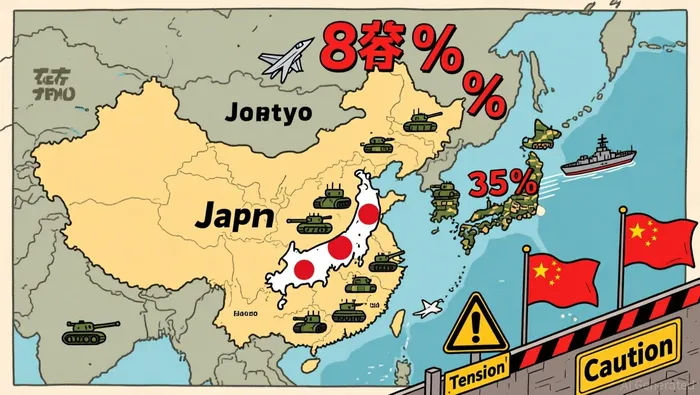
Tensions in the region have also contributed to a shift in investor risk appetite. A government survey released on January 9 showed 68% of respondents in Japan now see China as their country's top security threat, surpassing North Korea for the first time. This follows diplomatic spats between Tokyo and Beijing, including remarks by Takaichi that have led to retaliatory threats from China.
Why Is the Political Climate Shifting in Japan?
The government has intensified its focus on national security amid shifting geopolitical dynamics. Takaichi's comments about Japan potentially deploying forces in response to a Chinese attack on Taiwan sparked a diplomatic backlash from Beijing, which warned of economic retaliation and military escalation. Analysts suggest the timing of the potential Lower House dissolution is aimed at capitalizing on growing public support for stronger defense policies.
Public opinion surveys show rising support for Japan's Self-Defense Forces, with 94% of respondents holding a favorable view. This is influencing policy discussions, particularly as Japan plans to double its defense spending to 2% of GDP over the coming years. The move reflects a broader regional shift toward increased military preparedness.
How Are Global Markets Reacting to Japan's Political Uncertainty?
The U.S. dollar has been on a steady rise against the yen in recent sessions, reaching 157.61 on January 9, a level not seen since December 22. This comes as the Bank of Japan signals it may continue raising interest rates if inflation trends align with its forecasts. With Japan's monetary policy shifting toward normalization, investors are reassessing the relative value of the yen.
Markets are also closely watching the U.S. Supreme Court's upcoming ruling on President Donald Trump's emergency tariff policies. This decision, expected soon, could have major implications for global trade and currency flows. Analysts at UniCredit suggest uncertainty over the ruling and potential countermeasures may increase market volatility.
The dollar remains elevated against other major currencies, with the euro steady at $1.1657 and the British pound down slightly to $1.3415. The Australian and New Zealand dollars also showed weakness, with the kiwi falling to its lowest point since early December.
What Are Analysts Watching for Next Developments?
Political developments in Japan are a key focus for global investors. The potential dissolution of the Lower House and the upcoming Supreme Court ruling on U.S. tariffs are both seen as pivotal moments for market sentiment. Analysts suggest these events could influence capital flows, particularly in the currency and equity markets.
In the U.S., the Trump administration has taken steps to ease housing costs, including announcing large-scale purchases of mortgage-backed securities. This has led to a flattening of the yield curve and speculation about a potential proxy quantitative easing program. If implemented, these policies could further impact global bond markets and currency valuations.
Investors are also tracking the performance of the S&P 500 ahead of Friday's key jobs report. Market expectations remain mixed, with some analysts suggesting the index will open slightly higher as traders prepare for potentially disruptive developments in the coming weeks.
The interplay of political developments, monetary policy shifts, and global trade dynamics is creating a complex environment for investors. As Japan weighs major political decisions and the U.S. faces critical policy rulings, markets are likely to remain volatile in the near term.







Comentarios
Aún no hay comentarios