
Japanese PM Faces Resignation Pressure Amid Election Fallout
The Japanese Prime Minister is currently facing significant pressure from within his party to resign following a poor performance in the recent upper house elections. Despite the mounting criticism, the Prime Minister has refused to step down, stating that he will not avoid explaining his position to those who demand his resignation.
The coming weeks will be crucial in determining how much longer the embattled Prime Minister can remain in office. The first key event is this Friday, when the ruling Liberal Democratic Party (LDP) will hold a full meeting of its Diet members from both the House of Representatives and the House of Councillors. This two-house meeting is the party's formal decision-making body, second only to the party convention. If more than two-thirds of the LDP Diet members attend, the resolutions passed at the meeting can replace those of the party convention.
However, there is currently no procedure in place to force an unwilling Prime Minister to step down. During a roundtable meeting last week, the LDP secretariat stated that it is technically impossible to remove the current party president at the meeting. Instead, one measure the LDP could take is to hold an early presidential election before the Prime Minister's term ends in September 2027, thereby stripping him of his presidency. This would require more than half of the LDP Diet members and local party representatives to submit a written request, but it would not force the Prime Minister to resign from his position as Prime Minister.
As of a week ago, approximately one-third of the local party branches supported a written request calling for a reshaping of the party's brand, including the Prime Minister's resignation. However, the collection of signatures may slow down due to an approximately one-week vacation starting in mid-August. The Prime Minister's fate may be decided in late August, when a committee evaluating the LDP's upper house election results is expected to release its final report. Although the date of the conclusion has not been determined, it is likely to be in the last week of August.
The LDP Secretary-General may indicate during this meeting whether he will resign to take responsibility for the election loss. Even if the Secretary-General takes responsibility, it may not be enough to relieve the Prime Minister of further pressure. If the Prime Minister steps down, it will trigger an LDP presidential election, and many potential candidates have already expressed interest in running.
In addition to party actions and the Prime Minister's role as LDP president, if the Diet passes a no-confidence motion, the Prime Minister could technically be removed from office. This adds another layer of uncertainty to the political landscape, as the Prime Minister's future hangs in the balance. The coming weeks will be pivotal in determining the direction of Japanese politics and the fate of the current administration. 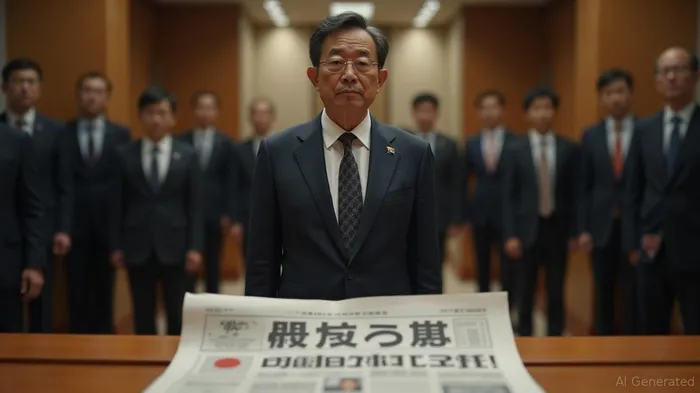







Comentarios
Aún no hay comentarios