
Japan's Tesla Investment: A Game Changer for the EV Market
Generado por agente de IAWesley Park
viernes, 21 de febrero de 2025, 12:37 am ET1 min de lectura
TSLA--
Japan, the world's third-largest auto market, is set to court Tesla on a potential investment in Nissan, according to the Financial Times. This move could significantly boost Tesla's presence in the country and accelerate the adoption of electric vehicles (EVs) in Japan. Let's delve into the potential opportunities and challenges that this investment could bring.
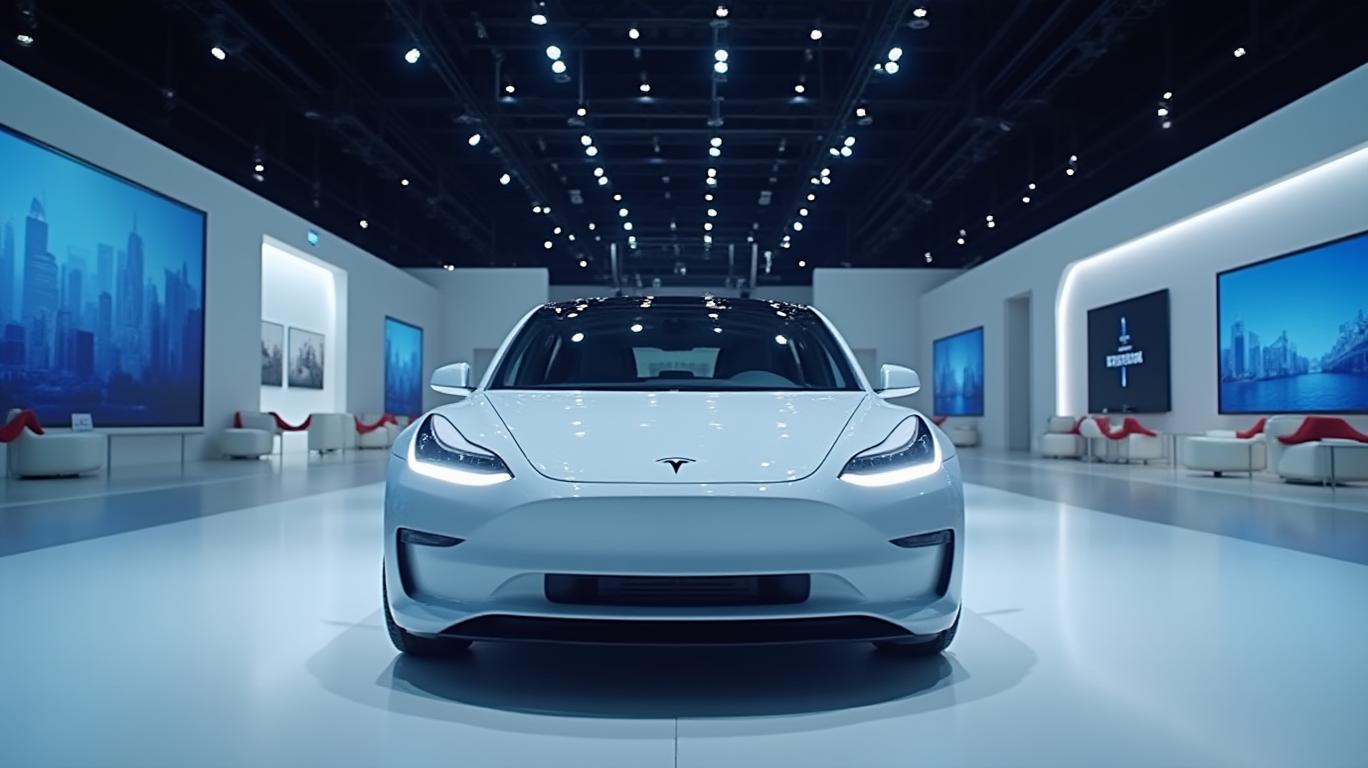
Japan's EV market has been relatively slow to embrace electric vehicles, with EVs accounting for only 1% of overall car sales in 2021. However, Tesla's popularity has been growing, with the company selling more than 5,200 cars in Japan last year, up from about 1,900 in 2020. This trend indicates that there is a strong appetite for Tesla's innovative and high-quality electric vehicles in Japan.
One of the main challenges facing Tesla in Japan is the lack of charging infrastructure. Japan has been slow to build out charging stations, EV-dedicated parking spaces, and sufficient subsidies, which has hindered the adoption of EVs. However, the Japanese government has been taking steps to address these issues, with plans to invest heavily in the development of charging infrastructure and the promotion of EV adoption.

Japan's historical focus on hydrogen fuel cell vehicles and conventional hybrid vehicles has set the country behind in the global race to embrace electric vehicles. However, some Japanese automakers, such as Toyota and Nissan, have begun to invest more heavily in the development of electric vehicles. For example, Toyota has committed 8 trillion yen ($69 billion) to electrification by 2030, with plans to sell around 3.5 million battery EVs worldwide by then.
Tesla's potential investment in Nissan could help accelerate the Japanese automaker's transition to electric vehicles and strengthen its competitive position in the global EV market. By leveraging Tesla's innovative technology and expertise in electric vehicle production, Nissan could develop more competitive and appealing electric vehicles for the Japanese market and beyond.

In conclusion, Japan's potential investment in Tesla could be a game changer for the EV market in the country. By addressing the challenges of charging infrastructure and leveraging Tesla's innovative technology, Japan could accelerate the adoption of electric vehicles and strengthen its competitive position in the global EV market. As the world continues to transition towards sustainable energy, Japan's investment in Tesla could be a crucial step in securing its place as a leader in the electric vehicle revolution.
Japan, the world's third-largest auto market, is set to court Tesla on a potential investment in Nissan, according to the Financial Times. This move could significantly boost Tesla's presence in the country and accelerate the adoption of electric vehicles (EVs) in Japan. Let's delve into the potential opportunities and challenges that this investment could bring.
Japan's EV market has been relatively slow to embrace electric vehicles, with EVs accounting for only 1% of overall car sales in 2021. However, Tesla's popularity has been growing, with the company selling more than 5,200 cars in Japan last year, up from about 1,900 in 2020. This trend indicates that there is a strong appetite for Tesla's innovative and high-quality electric vehicles in Japan.
One of the main challenges facing Tesla in Japan is the lack of charging infrastructure. Japan has been slow to build out charging stations, EV-dedicated parking spaces, and sufficient subsidies, which has hindered the adoption of EVs. However, the Japanese government has been taking steps to address these issues, with plans to invest heavily in the development of charging infrastructure and the promotion of EV adoption.
Japan's historical focus on hydrogen fuel cell vehicles and conventional hybrid vehicles has set the country behind in the global race to embrace electric vehicles. However, some Japanese automakers, such as Toyota and Nissan, have begun to invest more heavily in the development of electric vehicles. For example, Toyota has committed 8 trillion yen ($69 billion) to electrification by 2030, with plans to sell around 3.5 million battery EVs worldwide by then.
Tesla's potential investment in Nissan could help accelerate the Japanese automaker's transition to electric vehicles and strengthen its competitive position in the global EV market. By leveraging Tesla's innovative technology and expertise in electric vehicle production, Nissan could develop more competitive and appealing electric vehicles for the Japanese market and beyond.
In conclusion, Japan's potential investment in Tesla could be a game changer for the EV market in the country. By addressing the challenges of charging infrastructure and leveraging Tesla's innovative technology, Japan could accelerate the adoption of electric vehicles and strengthen its competitive position in the global EV market. As the world continues to transition towards sustainable energy, Japan's investment in Tesla could be a crucial step in securing its place as a leader in the electric vehicle revolution.

Divulgación editorial y transparencia de la IA: Ainvest News utiliza tecnología avanzada de Modelos de Lenguaje Largo (LLM) para sintetizar y analizar datos de mercado en tiempo real. Para garantizar los más altos estándares de integridad, cada artículo se somete a un riguroso proceso de verificación con participación humana.
Mientras la IA asiste en el procesamiento de datos y la redacción inicial, un miembro editorial profesional de Ainvest revisa, verifica y aprueba de forma independiente todo el contenido para garantizar su precisión y cumplimiento con los estándares editoriales de Ainvest Fintech Inc. Esta supervisión humana está diseñada para mitigar las alucinaciones de la IA y garantizar el contexto financiero.
Advertencia sobre inversiones: Este contenido se proporciona únicamente con fines informativos y no constituye asesoramiento profesional de inversión, legal o financiero. Los mercados conllevan riesgos inherentes. Se recomienda a los usuarios que realicen una investigación independiente o consulten a un asesor financiero certificado antes de tomar cualquier decisión. Ainvest Fintech Inc. se exime de toda responsabilidad por las acciones tomadas con base en esta información. ¿Encontró un error? Reportar un problema


SOBRE NOSOTROS
Nuestra historiaAutores de noticiasBase de conocimientosPolítica de privacidadTérmino de usoDescargo de responsabilidad de corretaje de tercerosTérminos de uso de AIMEDivulgaciones de riesgos de AInvest AICarrerasCONTÁCTENOS
Email: support@ainvest.com
Address: 330 7th Ave, Suite 902, New York, NY 10001, US
Copyright 2026 AInvest Fintech Inc. All rights reserved.


Comentarios
Aún no hay comentarios