
Japan's Structural Reforms: Unfulfilled Potential and Long-Term Growth Challenges Post-Abenomics
Japan's economic trajectory under Abenomics, the transformative policy framework introduced by Shinzo Abe in 2012, has been marked by a stark dichotomy: short-term stabilization versus long-term stagnation. While the first two "arrows"-monetary easing and fiscal stimulus-successfully countered deflation and boosted corporate profits, the third arrow-structural reforms-remains a half-fulfilled promise. This imbalance has left Japan's economy vulnerable to demographic headwinds, low productivity growth, and a lack of innovation-driven dynamism, raising critical questions for investors assessing the nation's long-term viability.
The Structural Reform Gap: A Missed Opportunity
Abenomics' structural reforms aimed to modernize Japan's rigid labor markets, liberalize agriculture, and foster corporate competitiveness. However, political resistance, entrenched vested interests, and incremental rather than transformative policies have limited their impact. For instance, labor market reforms such as "Womenomics," which sought to increase female workforce participation, achieved modest gains (female labor force participation rose to 58.7% in 2023 from 55.7% in 2012) but failed to address deeper issues like the seniority-based wage system and labor duality, according to Real Instituto Elcano.
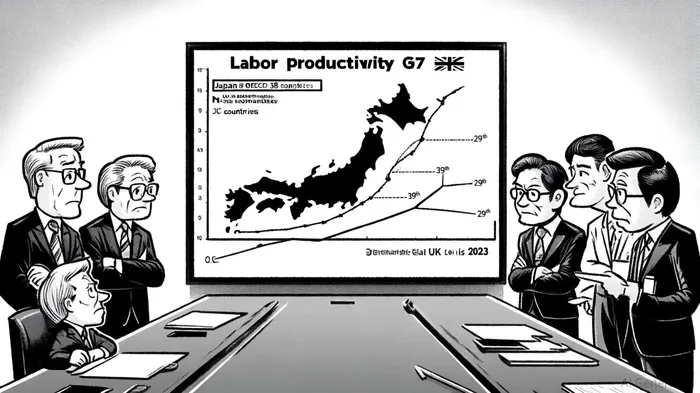
Japan's labor market remains polarized, with 35% of workers classified as non-regular employees-often lacking job security, benefits, and career progression. This duality suppresses productivity and exacerbates income inequality, as non-regular workers contribute disproportionately to sectors with low total factor productivity (TFP) growth, as a CEPR column argues. A 2024 OECD report placed Japan's labor productivity in 2023 29th among 38 OECD nations at $56.8 per hour, lagging behind the U.S. (8th at $97.7) and even countries like Poland and Estonia, according to the Yomiuri Shimbun.
Agricultural and Demographic Challenges
Structural reforms in agriculture, another cornerstone of Abenomics, have also faltered. Efforts to reduce rice subsidies and liberalize trade faced fierce opposition from powerful agricultural cooperatives (JA), stalling meaningful market-oriented reforms, as a Cambridge analysis documents. Meanwhile, Japan's demographic crisis-projected to see its population drop below 100 million by 2048-has compounded these issues. A fertility rate of 1.36 in 2019 (well below the replacement rate of 2.1) and an aging population (30% over 65 years old in 2023) have created a shrinking labor force and strained public finances, according to Euro-Industry.
Post-2023 Reforms: Incremental Progress Amid Persistent Constraints
Recent years have seen renewed attempts to address these challenges. The "New Trinity" labor market reforms introduced in 2023 aim to promote job-based pay systems, reskilling, and labor mobility, as the East Asia Forum argues. However, cultural resistance to dismantling lifetime employment norms and limited inter-firm mobility continue to hinder progress. Similarly, while the Suga and Kishida administrations have emphasized digitalization and regional revitalization, these efforts remain insufficient to offset structural bottlenecks.
GDP growth projections for 2024–2025 (1.0% and 1.1%, respectively) reflect a modest recovery, according to the OECD Economic Survey, but this is largely driven by fiscal stimulus and global demand for Japanese exports rather than domestic productivity gains. The Bank of Japan's 2% inflation target remains elusive, with core inflation hovering near 3% in early 2025, complicating monetary policy normalization, as a Morgan Stanley note observes.
Investment Implications: Navigating Uncertainty
For investors, Japan's economic story is one of cautious optimism tempered by structural fragility. While short-term tailwinds-such as a weaker yen, corporate governance reforms, and a rebound in tourism-have boosted equity markets, long-term risks persist. The lack of productivity growth, coupled with a debt-laden public sector and geopolitical uncertainties (e.g., U.S.-China trade tensions), limits the potential for self-sustaining growth.
However, pockets of opportunity exist. Sectors aligned with government priorities-such as green technology, regional revitalization, and digital infrastructure-may benefit from targeted reforms. Additionally, a more flexible labor market and gradual normalization of monetary policy could enhance corporate profitability over time.
Conclusion
Abenomics' legacy is a mixed one: it averted deflation and stabilized the economy but failed to deliver the structural transformation needed for sustained growth. As Japan enters the post-Abenomics era, the onus falls on policymakers to address these shortcomings. For now, investors must balance the allure of Japan's resilient corporate sector with the reality of its unresolved structural challenges.







Comentarios
Aún no hay comentarios