
Japan's Strategic Moves to Mitigate U.S. Tariffs on Steel and Aluminum
Generado por agente de IAWesley Park
miércoles, 12 de febrero de 2025, 4:58 am ET1 min de lectura
ALLY--
Japan's recent request to the U.S. to exclude it from the 25% steel and aluminum tariffs has sparked a flurry of diplomatic activity, as the Asian nation seeks to mitigate the potential negative effects of these tariffs on its exports and overall economy. With the U.S. being one of Japan's largest trading partners, the impact of these tariffs could be significant, particularly for the steel and aluminum industries. In this article, we will explore the strategic moves Japan can make to mitigate these effects and the potential responses from the U.S.

Firstly, Japan has already begun lobbying the U.S. for an exemption from these tariffs. Chief Cabinet Secretary Yoshimasa Hayashi has stated that Japan will "firmly take necessary steps" to examine the details of the new measures and their potential impact on the Japanese economy. This diplomatic effort is crucial, as Japan seeks to leverage its status as a key ally and significant trading partner to secure an exemption.
However, the U.S. might respond to Japan's request in various ways. The U.S. could grant an exemption, as it did for Australia due to their trade deficit with the U.S. Alternatively, the U.S. could reject Japan's request, arguing that Japan's exports to the U.S. account for a relatively small percentage of total exports (1.4% for steel). A compromise could also be reached, with the U.S. negotiating a reduced tariff rate or increased duty-free quota in exchange for certain concessions from Japan.
To mitigate the potential negative effects of these tariffs, Japan can take several strategic moves. Firstly, it can diversify its export destinations, reducing its dependence on the U.S. market. This could involve increasing exports to countries in Southeast Asia, Europe, or other regions where demand for steel and aluminum is high. Secondly, Japan can negotiate trade agreements with other countries or regional blocs to secure favorable trade terms. This could involve strengthening existing agreements, such as the Comprehensive and Progressive Agreement for Trans-Pacific Partnership (CPTPP), or exploring new agreements with other countries.
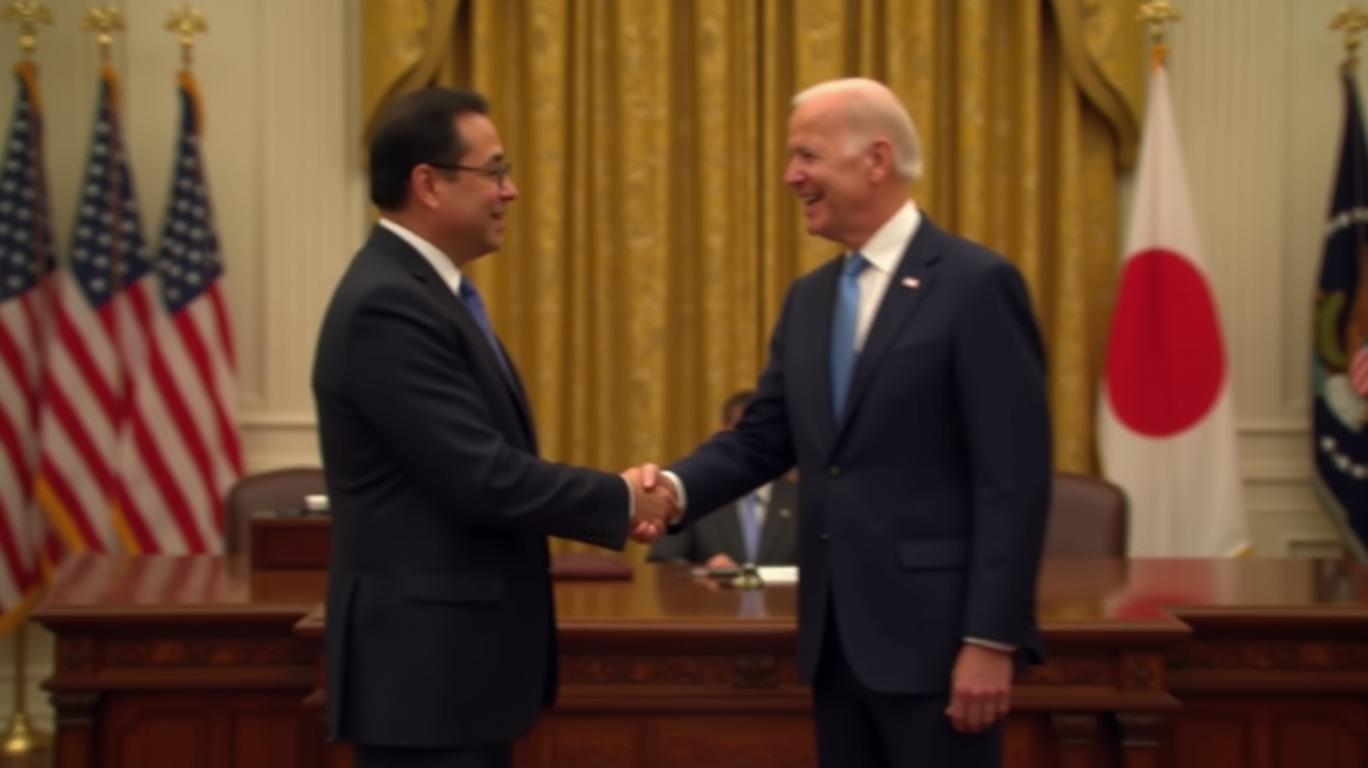
In conclusion, Japan's request for an exemption from the U.S. tariffs on steel and aluminum is a critical move to mitigate the potential negative effects of these tariffs on its exports and overall economy. The U.S.'s response to this request will be crucial in determining the outcome for Japan, and the Asian nation must be prepared to adapt its strategies accordingly. By diversifying its export destinations, negotiating trade agreements, and engaging in diplomatic efforts, Japan can minimize the impact of these tariffs and maintain its competitive edge in the global market.
Japan's recent request to the U.S. to exclude it from the 25% steel and aluminum tariffs has sparked a flurry of diplomatic activity, as the Asian nation seeks to mitigate the potential negative effects of these tariffs on its exports and overall economy. With the U.S. being one of Japan's largest trading partners, the impact of these tariffs could be significant, particularly for the steel and aluminum industries. In this article, we will explore the strategic moves Japan can make to mitigate these effects and the potential responses from the U.S.
Firstly, Japan has already begun lobbying the U.S. for an exemption from these tariffs. Chief Cabinet Secretary Yoshimasa Hayashi has stated that Japan will "firmly take necessary steps" to examine the details of the new measures and their potential impact on the Japanese economy. This diplomatic effort is crucial, as Japan seeks to leverage its status as a key ally and significant trading partner to secure an exemption.
However, the U.S. might respond to Japan's request in various ways. The U.S. could grant an exemption, as it did for Australia due to their trade deficit with the U.S. Alternatively, the U.S. could reject Japan's request, arguing that Japan's exports to the U.S. account for a relatively small percentage of total exports (1.4% for steel). A compromise could also be reached, with the U.S. negotiating a reduced tariff rate or increased duty-free quota in exchange for certain concessions from Japan.
To mitigate the potential negative effects of these tariffs, Japan can take several strategic moves. Firstly, it can diversify its export destinations, reducing its dependence on the U.S. market. This could involve increasing exports to countries in Southeast Asia, Europe, or other regions where demand for steel and aluminum is high. Secondly, Japan can negotiate trade agreements with other countries or regional blocs to secure favorable trade terms. This could involve strengthening existing agreements, such as the Comprehensive and Progressive Agreement for Trans-Pacific Partnership (CPTPP), or exploring new agreements with other countries.
In conclusion, Japan's request for an exemption from the U.S. tariffs on steel and aluminum is a critical move to mitigate the potential negative effects of these tariffs on its exports and overall economy. The U.S.'s response to this request will be crucial in determining the outcome for Japan, and the Asian nation must be prepared to adapt its strategies accordingly. By diversifying its export destinations, negotiating trade agreements, and engaging in diplomatic efforts, Japan can minimize the impact of these tariffs and maintain its competitive edge in the global market.

Divulgación editorial y transparencia de la IA: Ainvest News utiliza tecnología avanzada de Modelos de Lenguaje Largo (LLM) para sintetizar y analizar datos de mercado en tiempo real. Para garantizar los más altos estándares de integridad, cada artículo se somete a un riguroso proceso de verificación con participación humana.
Mientras la IA asiste en el procesamiento de datos y la redacción inicial, un miembro editorial profesional de Ainvest revisa, verifica y aprueba de forma independiente todo el contenido para garantizar su precisión y cumplimiento con los estándares editoriales de Ainvest Fintech Inc. Esta supervisión humana está diseñada para mitigar las alucinaciones de la IA y garantizar el contexto financiero.
Advertencia sobre inversiones: Este contenido se proporciona únicamente con fines informativos y no constituye asesoramiento profesional de inversión, legal o financiero. Los mercados conllevan riesgos inherentes. Se recomienda a los usuarios que realicen una investigación independiente o consulten a un asesor financiero certificado antes de tomar cualquier decisión. Ainvest Fintech Inc. se exime de toda responsabilidad por las acciones tomadas con base en esta información. ¿Encontró un error? Reportar un problema


SOBRE NOSOTROS
Nuestra historiaAutores de noticiasBase de conocimientosPolítica de privacidadTérmino de usoDescargo de responsabilidad de corretaje de tercerosTérminos de uso de AIMEDivulgaciones de riesgos de AInvest AICarrerasCONTÁCTENOS
Email: support@ainvest.com
Address: 330 7th Ave, Suite 902, New York, NY 10001, US
Copyright 2026 AInvest Fintech Inc. All rights reserved.


Comentarios
Aún no hay comentarios