
Japan's Alaska LNG Pipeline Pledge: A Geopolitical Gambit for U.S. Favor?
Generado por agente de IACyrus Cole
viernes, 31 de enero de 2025, 12:35 am ET1 min de lectura
AENT--
Japan's interest in the Alaska LNG pipeline has sparked speculation about its geopolitical implications, particularly in light of Russia's invasion of Ukraine and the global scramble for LNG supplies. The project, estimated to cost over $40 billion, faces stiff competitive challenges and high construction costs, but Japan sees it as a strategic investment to secure its energy future.
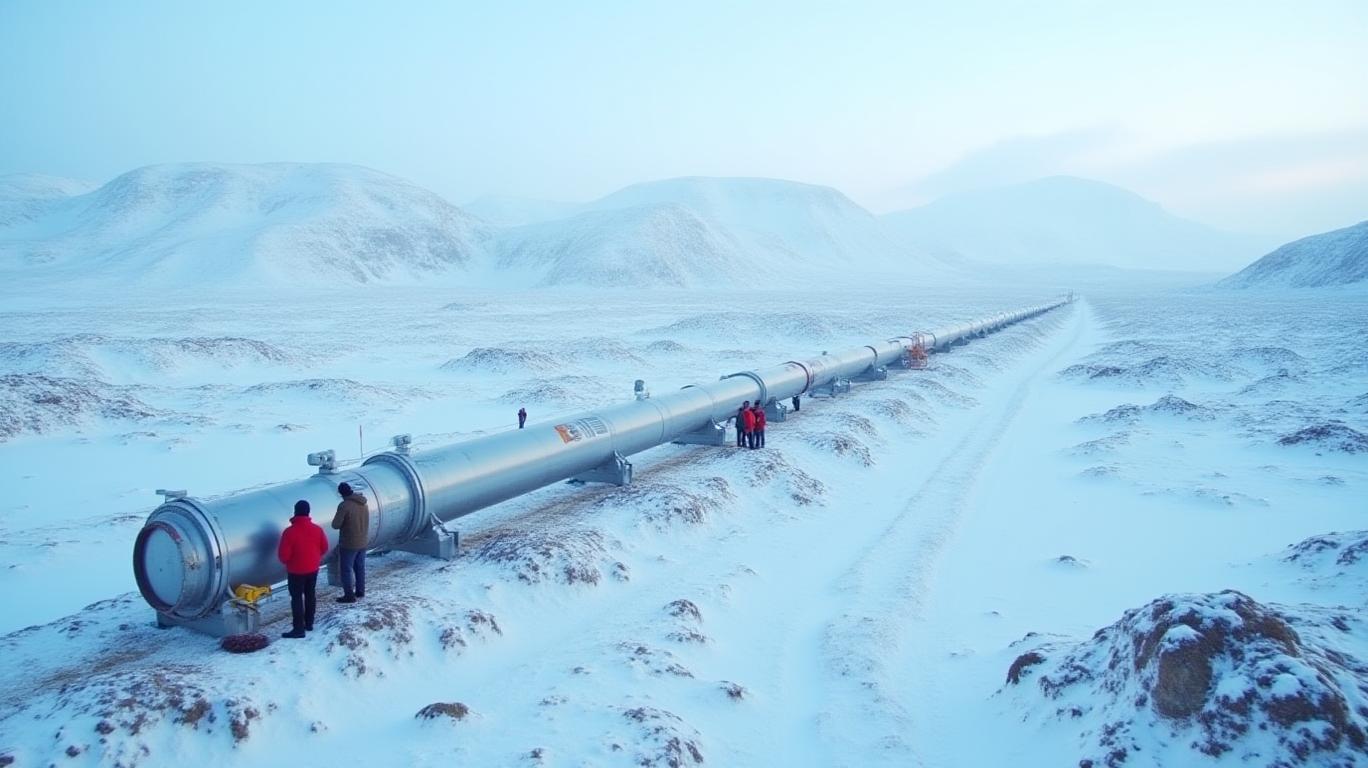
The Alaska LNG project, if completed, would span 800 miles from the North Slope to Nikiski, where gas would be liquefied for shipment overseas. Japan, the world's largest LNG importer, is seeking to diversify its energy sources and reduce its reliance on Middle Eastern and Russian LNG. The project aligns with Japan's long-term energy security strategy, despite decreasing domestic demand for LNG.
Japan's LNG strategy reveals the tension between advancing clean energy goals and maintaining reliance on fossil fuels. Despite its "Green Transformation" (GX) plans, Japan continues to rely heavily on fossil fuel technology, including LNG. The country's approach to LNG procurement and market positioning reflects its efforts to stabilize amid global energy volatility.
Japan's involvement in the Alaska LNG project has potential geopolitical implications, including energy security and diversification, countering Russian influence, strengthening the U.S.-Japan alliance, potential competition with Russia, and potential impacts on the Asian LNG market. These implications highlight the strategic importance of the project for Japan and its role in the global energy landscape.
However, the economic viability of the Alaska LNG project remains a subject of debate. High construction costs, competitive challenges, market demand and pricing, geopolitical risks, investment and financing, and regulatory approval are all factors that could influence its success or failure. While some analysts question the project's competitiveness, others argue that it is a reasonable and conservative estimate.
In conclusion, Japan's interest in the Alaska LNG pipeline is a strategic move to secure its energy future and counter Russian influence in the global LNG market. The project's economic viability is influenced by various factors, and its success ultimately depends on the ability of the stakeholders to navigate these challenges and secure the necessary investment, financing, and regulatory approval. The project's geopolitical implications and economic viability will continue to be scrutinized as the global energy landscape evolves.
FOSL--
LNG--
Japan's interest in the Alaska LNG pipeline has sparked speculation about its geopolitical implications, particularly in light of Russia's invasion of Ukraine and the global scramble for LNG supplies. The project, estimated to cost over $40 billion, faces stiff competitive challenges and high construction costs, but Japan sees it as a strategic investment to secure its energy future.
The Alaska LNG project, if completed, would span 800 miles from the North Slope to Nikiski, where gas would be liquefied for shipment overseas. Japan, the world's largest LNG importer, is seeking to diversify its energy sources and reduce its reliance on Middle Eastern and Russian LNG. The project aligns with Japan's long-term energy security strategy, despite decreasing domestic demand for LNG.
Japan's LNG strategy reveals the tension between advancing clean energy goals and maintaining reliance on fossil fuels. Despite its "Green Transformation" (GX) plans, Japan continues to rely heavily on fossil fuel technology, including LNG. The country's approach to LNG procurement and market positioning reflects its efforts to stabilize amid global energy volatility.
Japan's involvement in the Alaska LNG project has potential geopolitical implications, including energy security and diversification, countering Russian influence, strengthening the U.S.-Japan alliance, potential competition with Russia, and potential impacts on the Asian LNG market. These implications highlight the strategic importance of the project for Japan and its role in the global energy landscape.
However, the economic viability of the Alaska LNG project remains a subject of debate. High construction costs, competitive challenges, market demand and pricing, geopolitical risks, investment and financing, and regulatory approval are all factors that could influence its success or failure. While some analysts question the project's competitiveness, others argue that it is a reasonable and conservative estimate.
In conclusion, Japan's interest in the Alaska LNG pipeline is a strategic move to secure its energy future and counter Russian influence in the global LNG market. The project's economic viability is influenced by various factors, and its success ultimately depends on the ability of the stakeholders to navigate these challenges and secure the necessary investment, financing, and regulatory approval. The project's geopolitical implications and economic viability will continue to be scrutinized as the global energy landscape evolves.

Divulgación editorial y transparencia de la IA: Ainvest News utiliza tecnología avanzada de Modelos de Lenguaje Largo (LLM) para sintetizar y analizar datos de mercado en tiempo real. Para garantizar los más altos estándares de integridad, cada artículo se somete a un riguroso proceso de verificación con participación humana.
Mientras la IA asiste en el procesamiento de datos y la redacción inicial, un miembro editorial profesional de Ainvest revisa, verifica y aprueba de forma independiente todo el contenido para garantizar su precisión y cumplimiento con los estándares editoriales de Ainvest Fintech Inc. Esta supervisión humana está diseñada para mitigar las alucinaciones de la IA y garantizar el contexto financiero.
Advertencia sobre inversiones: Este contenido se proporciona únicamente con fines informativos y no constituye asesoramiento profesional de inversión, legal o financiero. Los mercados conllevan riesgos inherentes. Se recomienda a los usuarios que realicen una investigación independiente o consulten a un asesor financiero certificado antes de tomar cualquier decisión. Ainvest Fintech Inc. se exime de toda responsabilidad por las acciones tomadas con base en esta información. ¿Encontró un error? Reportar un problema


SOBRE NOSOTROS
Nuestra historiaAutores de noticiasBase de conocimientosPolítica de privacidadTérmino de usoDescargo de responsabilidad de corretaje de tercerosTérminos de uso de AIMEDivulgaciones de riesgos de AInvest AICarrerasCONTÁCTENOS
Email: support@ainvest.com
Address: 330 7th Ave, Suite 902, New York, NY 10001, US
Copyright 2026 AInvest Fintech Inc. All rights reserved.


Comentarios
Aún no hay comentarios