
Japan's Patience: Supporting Rapidus Despite Potential Delays
Generado por agente de IAWesley Park
martes, 17 de diciembre de 2024, 10:24 pm ET1 min de lectura
TSM--
Japan's commitment to reviving its semiconductor industry is unwavering, as evidenced by its continued support for Rapidus, despite potential delays in achieving its 2nm chip production goal. The Japanese government, led by Prime Minister Fumio Kishida, has allocated over JPY10 trillion ($65 billion) by 2030 to support the domestic semiconductor industry, with Rapidus being a focal point of this strategy.
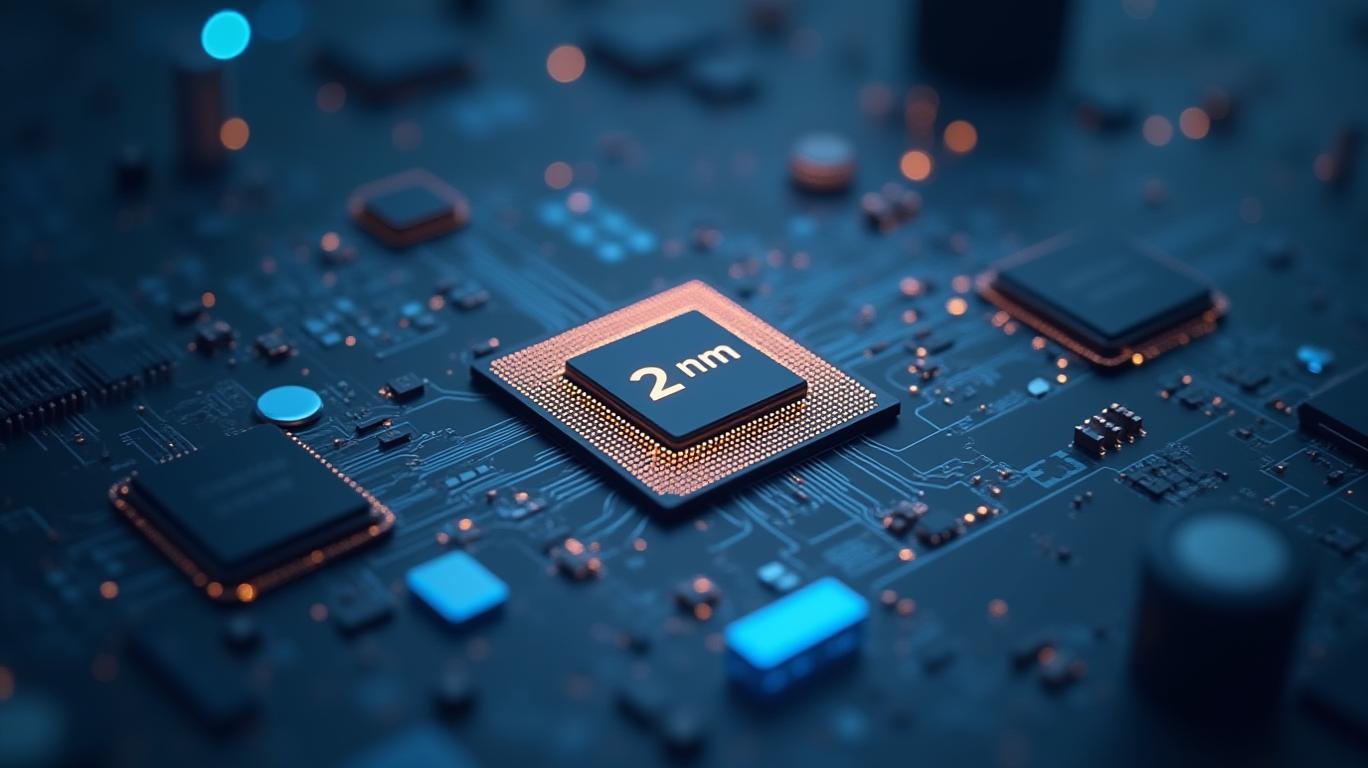
Rapidus, a consortium of major Japanese companies, aims to produce 2nm chips by 2027, two years after industry leader TSMC's planned launch. However, the technical challenges and market dynamics of the semiconductor industry may lead to delays in achieving this goal. Despite these potential setbacks, Japan remains committed to supporting Rapidus, recognizing the long-term strategic importance of fostering a competitive domestic semiconductor industry.
Japan's support for Rapidus is not without risks. The company's heavy reliance on government funding raises concerns about becoming a state-owned enterprise, potentially leading to inefficiencies and limited effectiveness. However, the Japanese government's commitment to supporting Rapidus, even with potential delays, indicates a strategic approach to fostering innovation and reducing reliance on foreign suppliers.
Rapidus' collaboration with IBM and imec is crucial for its technological advancements and market positioning. IBM's development of the 2-nm chip technology, along with Rapidus' mass production plans, creates a powerful partnership. Additionally, imec's technical support in EUV lithography systems and global semiconductor research further bolsters Rapidus' capabilities. These collaborations enable Rapidus to stay at the forefront of semiconductor technology, aiming to produce 2-nm chips by 2027.
A delay in Rapidus' 2nm chip production could impact global semiconductor market dynamics, shifting the competitive landscape. TSMC, currently leading in advanced chip production, might extend its dominance, while Samsung could also benefit from any delay. However, Japan's support for Rapidus ensures its long-term viability, potentially leading to increased competition in the future.
In conclusion, Japan's commitment to supporting Rapidus, despite potential delays, underscores its determination to maintain a strong position in the global semiconductor market. By fostering innovation and reducing reliance on foreign suppliers, Japan is investing in its long-term geopolitical standing and economic growth. As the semiconductor industry continues to evolve, Japan's strategic approach to supporting Rapidus positions it well to compete in the global market.
Japan's commitment to reviving its semiconductor industry is unwavering, as evidenced by its continued support for Rapidus, despite potential delays in achieving its 2nm chip production goal. The Japanese government, led by Prime Minister Fumio Kishida, has allocated over JPY10 trillion ($65 billion) by 2030 to support the domestic semiconductor industry, with Rapidus being a focal point of this strategy.
Rapidus, a consortium of major Japanese companies, aims to produce 2nm chips by 2027, two years after industry leader TSMC's planned launch. However, the technical challenges and market dynamics of the semiconductor industry may lead to delays in achieving this goal. Despite these potential setbacks, Japan remains committed to supporting Rapidus, recognizing the long-term strategic importance of fostering a competitive domestic semiconductor industry.
Japan's support for Rapidus is not without risks. The company's heavy reliance on government funding raises concerns about becoming a state-owned enterprise, potentially leading to inefficiencies and limited effectiveness. However, the Japanese government's commitment to supporting Rapidus, even with potential delays, indicates a strategic approach to fostering innovation and reducing reliance on foreign suppliers.
Rapidus' collaboration with IBM and imec is crucial for its technological advancements and market positioning. IBM's development of the 2-nm chip technology, along with Rapidus' mass production plans, creates a powerful partnership. Additionally, imec's technical support in EUV lithography systems and global semiconductor research further bolsters Rapidus' capabilities. These collaborations enable Rapidus to stay at the forefront of semiconductor technology, aiming to produce 2-nm chips by 2027.
A delay in Rapidus' 2nm chip production could impact global semiconductor market dynamics, shifting the competitive landscape. TSMC, currently leading in advanced chip production, might extend its dominance, while Samsung could also benefit from any delay. However, Japan's support for Rapidus ensures its long-term viability, potentially leading to increased competition in the future.
In conclusion, Japan's commitment to supporting Rapidus, despite potential delays, underscores its determination to maintain a strong position in the global semiconductor market. By fostering innovation and reducing reliance on foreign suppliers, Japan is investing in its long-term geopolitical standing and economic growth. As the semiconductor industry continues to evolve, Japan's strategic approach to supporting Rapidus positions it well to compete in the global market.

Divulgación editorial y transparencia de la IA: Ainvest News utiliza tecnología avanzada de Modelos de Lenguaje Largo (LLM) para sintetizar y analizar datos de mercado en tiempo real. Para garantizar los más altos estándares de integridad, cada artículo se somete a un riguroso proceso de verificación con participación humana.
Mientras la IA asiste en el procesamiento de datos y la redacción inicial, un miembro editorial profesional de Ainvest revisa, verifica y aprueba de forma independiente todo el contenido para garantizar su precisión y cumplimiento con los estándares editoriales de Ainvest Fintech Inc. Esta supervisión humana está diseñada para mitigar las alucinaciones de la IA y garantizar el contexto financiero.
Advertencia sobre inversiones: Este contenido se proporciona únicamente con fines informativos y no constituye asesoramiento profesional de inversión, legal o financiero. Los mercados conllevan riesgos inherentes. Se recomienda a los usuarios que realicen una investigación independiente o consulten a un asesor financiero certificado antes de tomar cualquier decisión. Ainvest Fintech Inc. se exime de toda responsabilidad por las acciones tomadas con base en esta información. ¿Encontró un error? Reportar un problema




Comentarios
Aún no hay comentarios