
Japan's Nuclear Energy Renaissance: Strategic Investment Opportunities in Infrastructure and Supply Chain Equities
Japan's Nuclear Energy Renaissance: Strategic Investment Opportunities in Infrastructure and Supply Chain Equities
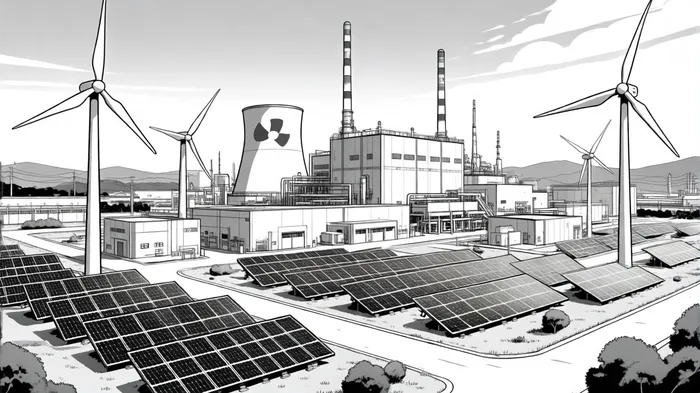
Japan's energy policy is undergoing a seismic shift. After a decade of cautious retreat from nuclear power following the Fukushima disaster, the government has embraced a bold new vision: to increase nuclear energy's share of the electricity mix to 20% by 2040, alongside a 40%-50% target for renewables, according to the revised Basic Energy PlanBasic Energy Plan. This strategic pivot, outlined in the February 2025 revised Strategic Energy Plan, marks a reversal of post-2011 policies and positions nuclear energy as a cornerstone of decarbonization and energy security, as reported by the Yomiuri ShimbunYomiuri Shimbun. For investors, this represents a unique opportunity to capitalize on infrastructure upgrades, supply chain innovations, and the resurgence of a sector poised for long-term growth.
Strategic Policy Shifts and Market Dynamics
The Japanese government's commitment to nuclear energy is underpinned by urgent economic and technological imperatives. With AI, data centers, and semiconductor manufacturing driving electricity demand, the need for stable, low-carbon power has never been greater, according to BBC NewsBBC News. The revised plan mandates restarting idled reactors, extending the lifespans of existing ones, and constructing advanced designs-including small modular reactors (SMRs)-at sites previously earmarked for decommissioning, as noted by the Renewable Energy InstituteRenewable Energy Institute.
This policy shift is already translating into market action. The Nuclear Supply Chain Platform (NSCP), launched in 2023, is streamlining domestic and international collaboration, while partnerships like Japan's with European firm newcleo on next-gen reactor technologies highlight the country's ambition to lead in nuclear innovation, according to a METI press releaseMETI press release. However, challenges persist: public opposition to reactor restarts, as seen at the Kashiwazaki Kariwa plant, and regulatory bottlenecks could delay progress, as reported by Neutron BytesNeutron Bytes.
Key Players in the Nuclear Supply Chain
The renaissance is being driven by a mix of established utilities, engineering giants, and emerging startups. Hitachi-GE Nuclear Energy, a joint venture between Hitachi and GE VernovaGEV--, is central to this transition. Its FY2024 revenue of ¥149.3 billion reflects its role in supplying reactor components for Canada's Darlington SMR project and leveraging Japanese supply chains for reliability, according to Craft.coCraft.co. Meanwhile, Chubu Electric Power reported TTM revenue of $24.63 billion in 2025, with a 15% year-over-year growth in its renewable energy segment, signaling a strategic pivot toward sustainability, per DCFModelingDCFModeling.
Tokyo Electric Power Holdings (TEPCO), despite its post-Fukushima challenges, remains a critical player. Its alignment with government green initiatives, such as the Green Growth Strategy, positions it to benefit from the 36-38% renewable energy target by 2030, according to Mordor IntelligenceMordor Intelligence. Startups like Kyoto Fusioneering and EX-Fusion are also gaining traction, with Kyoto Fusioneering securing significant funding to advance fusion technology, as listed on TracxnTracxn.
Financial Metrics and Investment Potential
While direct stock performance data for 2025 is sparse, broader trends suggest optimism. Chubu Electric's shares have surged 27.9% year-to-date, though valuation models indicate potential overvaluation, per Yahoo FinanceYahoo Finance. Hitachi-GE's FY2024 revenue, while robust, lacks quarterly granularity, and TEPCO's Q2 2025 results remain undisclosed, according to Hitachi EnergyHitachi Energy. However, the global nuclear reactor market-projected to grow from $110 billion in 2024 to $180 billion by 2032-underscores the sector's long-term appeal, as suggested in a LinkedIn postLinkedIn post.
Risks and Realities
Investors must balance optimism with caution. Public skepticism, regulatory delays, and the high costs of reactor restarts could hinder progress. For instance, the Kashiwazaki Kariwa plant's prolonged shutdown highlights the political and social hurdles, as reported by Neutron Bytes. Additionally, Japan's nuclear industry lags in securing overseas contracts compared to competitors like South Korea and Russia, according to a J-STAGE studyJ-STAGE study.
Conclusion: A Calculated Bet on the Future
Japan's nuclear renaissance is not without risks, but its strategic alignment with global decarbonization goals and energy security needs makes it a compelling investment thesis. For those willing to navigate the sector's complexities, companies like Hitachi-GE, Chubu Electric, and TEPCO-alongside emerging innovators-offer exposure to a market poised for transformation. As the government and private sector collaborate to overcome challenges, the path to 2040 will demand patience, but the rewards for early movers could be substantial.





Comentarios
Aún no hay comentarios