
Japan's Export Slowdown Amid US Tariffs: Opportunities in Domestic-Driven Sectors
The U.S. tariffs era has dealt a blow to Japan’s export-dependent economy, with automotive and steel sectors reeling from declining demand and rising costs. Yet, beneath the surface of this slowdown lies a transformative opportunity: a shift toward domestic-driven growth fueled by fiscal stimulus, technological innovation, and resilient consumer spending. For investors, this is a pivotal moment to rotate capital away from tariff-hit sectors and into undervalued equities poised to thrive in Japan’s new economic reality.
The Export Crisis: A Catalyst for Sector Rotation
Japan’s first-quarter GDP contracted by 0.7% annually, with exports down 2.3%—a stark reminder of its overreliance on global trade. The automotive sector, which accounts for 31.3% of Japan’s U.S. exports, faces existential pressures. Honda’s net profit is projected to plummet 70% in FY2025-26, while Nissan’s $4.5bn loss underscores the fragility of traditional manufacturing. Meanwhile, steel giants like Nippon Steel and JFE have seen profits plunge by 36% and 53%, respectively, as tariffs and weak Chinese demand bite.
But this crisis is also a turning point. Domestic consumption, supported by fiscal stimulus and rising inflation, is becoming the economy’s new engine. The Bank of Japan’s pivot toward higher interest rates—projected to hit 0.5% by September 2025—and a record 39-trillion-yen stimulus package signal a deliberate shift toward self-sustaining growth. For investors, the path forward is clear: rotate capital into sectors insulated from trade wars and positioned to capitalize on Japan’s domestic revival.
Healthcare Tech: Digitizing a Silver Economy
Japan’s aging population (with 29% over 65) is a demographic challenge, but it’s also a growth frontier for healthcare technology.
Key Plays:
- Aly and Ubie: These AI-driven firms automate medical documentation and pre-consultation processes, reducing administrative costs by up to 30%. With the government’s My Number Card digitizing health records, these companies are primed to scale.
- Telemedicine Platforms: Firms like MDLive Japan are benefiting from rising demand for remote care, especially in rural areas.
Why Now?
The 2025 fiscal stimulus allocates funds to healthcare digitization and long-term care infrastructure. Rising household investments in stocks—driven by the new NISA tax-free account—add liquidity to this sector.

Technology: AI, Robotics, and Cybersecurity Lead the Charge
Japan’s tech sector is transitioning from hardware manufacturing to software and services, with fiscal support and global partnerships accelerating innovation.
Key Plays:
- AI and Robotics: Waseda University’s AIREC humanoid robot (targeting elderly care) and scent-tracking disaster drones exemplify Japan’s R&D prowess.
- Cybersecurity: A 40% market share target for domestic cybersecurity software by 2035 means firms like Trend Micro (TSE:4704) are critical to national data sovereignty.
- Semiconductors: The $10-trillion tech fund by 2030 targets semiconductor resilience, favoring firms like Tokyo Electron (TSE:8035).
Why Now?
The Ouranos Ecosystem initiative is standardizing data interoperability, while SoftBank’s $16bn AI investment (including ties to OpenAI) signals a structural shift.

Infrastructure: Fiscal Stimulus Meets Smart Urbanization
Japan’s 39-trillion-yen stimulus includes 10 trillion yen for infrastructure, targeting smart cities, renewable energy, and regional connectivity.
Key Plays:
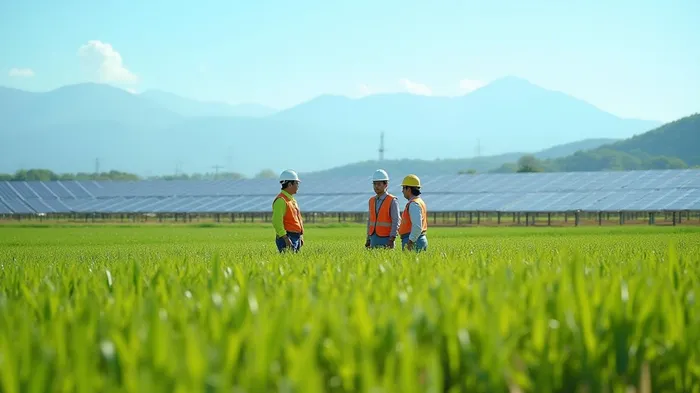
- Renewables: Idemitsu Kosan’s agrivoltaic solar projects and Everfuel’s green hydrogen ventures align with net-zero goals.
- Urban Tech: Fujitsu (TSE:6702) and NEC (TSE:6701) are leading smart city projects with AI-driven traffic management and energy grids.
- Transportation: Ports and railways (e.g., JR East, TSE:9020) benefit from regional revitalization funds.
Why Now?
Infrastructure stocks offer a hedge against yen volatility, with projects like the $25bn ONE shipping expansion signaling long-term demand.
The Red Flags: Automakers and Steel—Avoid at All Costs
While domestic sectors surge, automakers and steel remain traps.
- Automakers: U.S. tariffs add $3,000 to car prices, squeezing margins. Honda’s tariff-related costs alone could hit JPY450bn. Chinese EVs (e.g., BYD) now capture 66% of global sales, outpacing Japan’s hybrid tech.
- Steel: Weak demand from China and U.S. tariffs have left inventories bloated. Aluminum premiums for Japan dropped 20% in Q2 2025—signaling oversupply.
Act Now: Volatility is a Buying Opportunity
The yen’s 147/USD projection and short-term market jitters over trade tensions create a sweet spot for investors.
- Buy the Dip: Healthcare, tech, and infrastructure equities are trading at 15–20% discounts to their growth potential.
- Focus on Structural Winners: Companies aligned with digitization, cybersecurity, and green energy will outperform as Japan’s economy rebalances.
The U.S. tariffs era isn’t just a crisis—it’s a catalyst. Rotate capital into domestic-driven sectors now, and position yourself to profit from Japan’s next chapter of growth.






Comentarios
Aún no hay comentarios