
Italy Moves to Limit Sinochem's Influence in Pirelli Amid Strategic Sector Realignment
- Italy is taking measures to reduce Chinese state-owned Sinochem's control over Pirelli amid U.S. pressure and strategic concerns.
- Pirelli shareholders despite opposition from majority shareholder Sinochem, highlighting governance tensions.
- U.S. restrictions on Chinese technology in automobiles threaten Pirelli's expansion plans in North America.
- European companies remain strategically dependent on Chinese operations despite growing geopolitical friction.
Italy is accelerating efforts to safeguard key industrial assets as geopolitical pressures reshape automotive supply chains. The government and Pirelli management are exploring options to limit Sinochem's influence in the iconic tire manufacturer. This push coincides with tightening U.S. restrictions on Chinese technology taking effect in March. The developments highlight Europe's delicate balancing act between economic partnerships and strategic autonomy.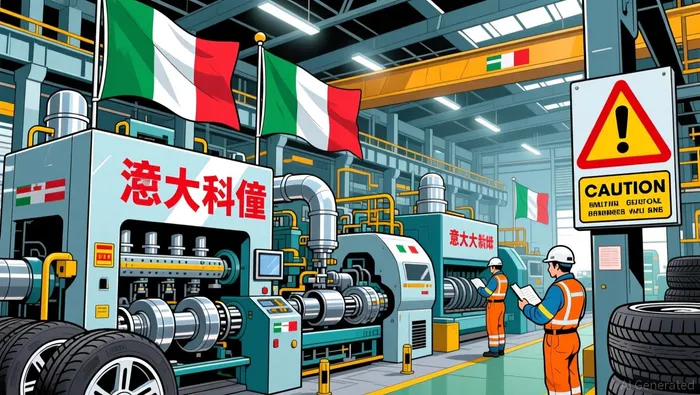
Why is Italy restructuring Pirelli's ownership?
Rome is actively considering measures including freezing voting rights to reduce Sinochem's control over Pirelli. Italian investor Camfin raised concerns that Sinochem's presence creates obstacles for Pirelli's U.S. expansion plans. The former Pirelli CEO previously warned about risks from foreign control of strategic assets. This aligns with broader European efforts to reassess foreign investments in critical sectors.
What does the U.S. tech ban mean for Italy's automotive sector?
Washington's upcoming ban on Chinese-backed hardware and software in American cars directly impacts Pirelli's growth strategy. The restrictions create significant headwinds for the tire maker's planned North American market expansion. As automotive technology becomes increasingly connected, these barriers could affect multiple Italian suppliers in the mobility ecosystem. The situation underscores how geopolitical decisions increasingly dictate automotive supply chain configurations.
How are European-China industrial ties evolving?
European companies see their global competitiveness increasingly tied to Chinese operations despite political friction. China remains a top investment destination due to its market scale and manufacturing capabilities. However, the Pirelli situation demonstrates growing scrutiny of strategic investments, particularly in automotive and technology sectors. This delicate balance reflects both economic interdependence and emerging security concerns within transatlantic alliances.







Comentarios
Aún no hay comentarios