
"Israel Trims Gaza Electricity in Pressure Move Over Hostages"
Generado por agente de IAEli Grant
domingo, 9 de marzo de 2025, 4:38 pm ET5 min de lectura
COHN--
In the tense standoff between Israel and Hamas, a new chapter unfolded on March 9, 2025, as Israel's Energy Minister Eli CohenCOHN-- signed an order to immediately cease the transmission of electricity to the Gaza Strip. The move, a significant escalation in Israel’s ongoing measures against Gaza, drew applause from supporters who view it as a decisive step to secure the return of Israeli hostages and ensure that Hamas is no longer in Gaza the day after the war.
The decision to cut off electricity comes a week after Israel blocked all aid into the war-ravaged Palestinian territory, a move aimed at pressuring Hamas to accept an extension of the first phase of their ceasefire. That phase ended on March 1, 2025, and Israel wants Hamas to release half of the remaining hostages in return for a promise to negotiate a lasting truce. Hamas, however, has pressed to start negotiations on the ceasefire’s more difficult second phase, which would see the release of remaining hostages from Gaza, the withdrawal of Israeli forces, and a lasting peace.
The only power line between Israel and Gaza supplies the territory's main water desalination plant, which serves more than 600,000 people. Palestinians in Gaza depend mainly on solar panels and fuel generators for their electricity. The connection to the desalination plant was cut off after the October 7, 2023, Hamas attack before being reconnected in July 2024. But the plant was unable to resume operations until December that year, as the power lines had been too badly damaged by the war.
The humanitarian impact of this move is already being felt. Palestinians in Gaza are reporting sharp price increases for dwindling items as fears grow again. The situation has improved a little since the ceasefire began, but before that, the situation was very bad. As Fares al-Qeisi in the southern city of Khan Younis said, "I swear to God, one could not satisfy their hunger."
The move has echoes of the earliest days of the war when Israel announced a "siege" that included an electricity cutoff to Gaza. The decision marks a significant escalation in Israel’s ongoing measures against Gaza, drawing applause from supporters who view it as a decisive step. Details on the broader implications are still unfolding.
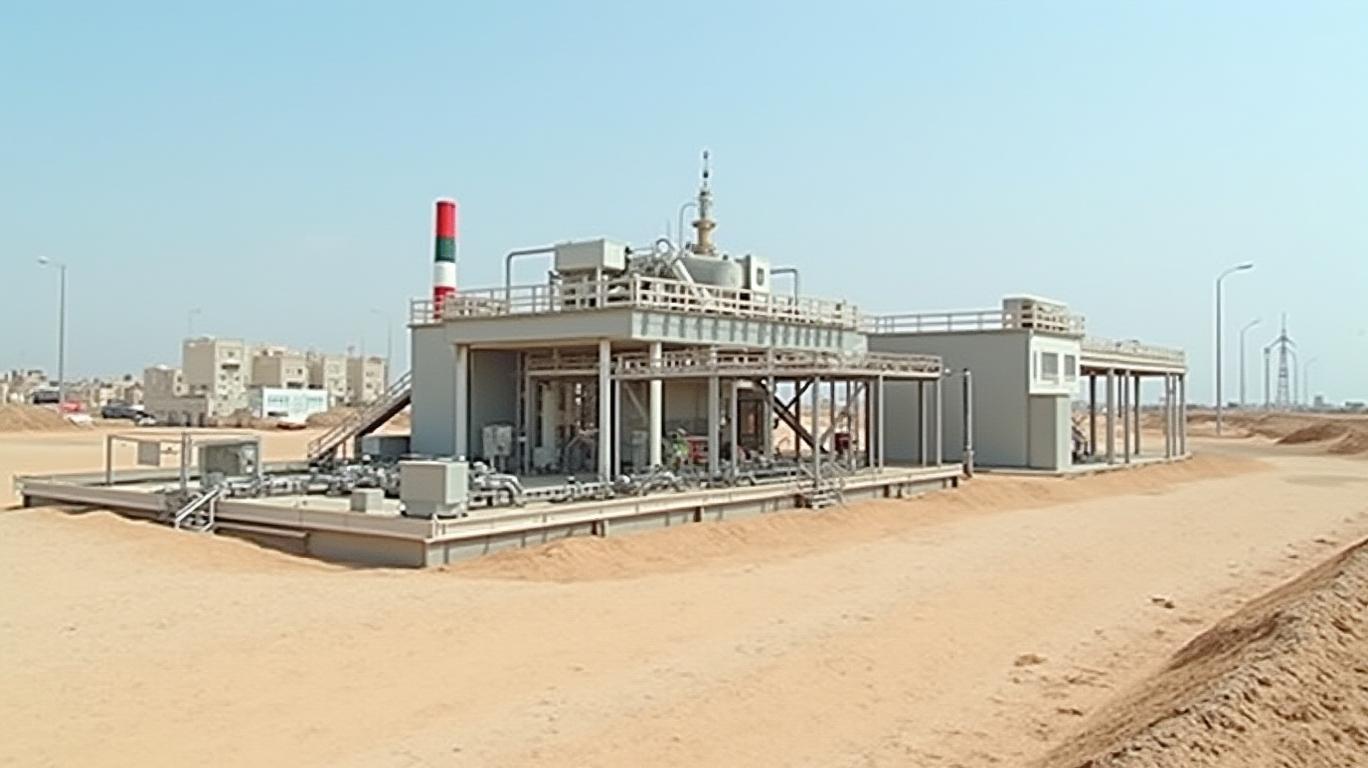
The situation in Gaza has been dire for years, but the recent conflict has exacerbated the crisis. Before the October 7, 2023, attack, Israel supplied about 120 megawatts (MW) through 10 power lines, roughly half of Gaza’s peacetime electricity needs, estimated at 400-600 MW for a full 24-hour supply to its 2 million residents. The Gaza Power Plant (GPP), the only power plant in the Strip, generated 60-140 MW depending on fuel availability and operational status, while Egypt provided around 27 MW, often unreliably due to instability in the Sinai Peninsula.
The dependency on external power sources stems from Gaza’s limited domestic energy infrastructure. The GPP relies on diesel fuel, historically imported via Israel or smuggled from Egypt until Egypt cracked down on tunnels in 2013. Israel’s control over Gaza’s borders, established after the 1967 Six-Day War and reinforced by the blockade since Hamas took over in 2007, has meant that fuel, equipment, and maintenance materials for the GPP often pass through Israeli checkpoints, subject to restrictions.
The situation shifted dramatically with the Israel-Hamas war starting October 7, 2023. After Hamas’s attack killed over 1,400 Israelis, Israel imposed a “complete siege” on Gaza, cutting off electricity, fuel, and water supplies on October 9. By October 11, the GPP shut down, having exhausted its fuel reserves—though some suggest Hamas may have hoarded diesel for its tunnels, depleting stocks faster than expected. Israel’s 120 MW feed stopped, and Egypt’s contribution became negligible as the Rafah crossing was bombed and closed.
For weeks, Gaza relied on dwindling generator fuel and solar power, which had grown significantly pre-war with over 9,000 off-grid photovoltaic (PV) installations. However, Israeli airstrikes damaged much of this solar infrastructure, including a German-funded wastewater plant opened in 2023. Hospitals, desalination plants, and aid operations teetered on collapse, with the UN reporting fuel stocks critically low by late October 2023.
Israel’s initial cutoff aimed to pressure Hamas but faced international backlash and legal scrutiny. The International Court of Justice’s January 2024 ruling cited Israel’s supply cuts as potential “collective punishment,” urging restoration of essentials. By mid-November 2023, Israel began trucking in 60,000 liters of diesel daily at its own expense, despite risks of Hamas diversion. In July 2024, Israel connected a power line directly to a UN-managed desalination plant in Khan Younis, boosting water production fourfold to 20,000 cubic meters daily—still far short of Gaza’s needs but a humanitarian gesture amid pressure from the U.S. and UN.
As of March 9, 2025, Israel no longer supplies Gaza’s grid directly with electricity, per posts on X and news trends suggesting a full cutoff persists. The GPP remains offline without fuel, and solar and generator use is limited by war damage and blockade restrictions. A small water pipe in southern Gaza operates, but electricity is effectively absent from Israeli sources, leaving Gaza in a prolonged state of crisis.
The move by Israel to cut off electricity to Gaza is a strategic one, aimed at exerting pressure on Hamas to meet its demands. It sends a clear signal to Hamas, the international community, neighboring countries, the Palestinian Authority (PA), and mediators about Israel's resolve and its willingness to take unilateral actions to achieve its goals. However, it also risks further isolating Israel and complicating efforts to achieve a lasting peace in the region.
The humanitarian impact of this move is already being felt, with Palestinians in Gaza reporting sharp price increases for dwindling items as fears grow again. The situation has improved a little since the ceasefire began, but before that, the situation was very bad. As Fares al-Qeisi in the southern city of Khan Younis said, "I swear to God, one could not satisfy their hunger."
The move has echoes of the earliest days of the war when Israel announced a "siege" that included an electricity cutoff to Gaza. The decision marks a significant escalation in Israel’s ongoing measures against Gaza, drawing applause from supporters who view it as a decisive step. Details on the broader implications are still unfolding.
The situation in Gaza has been dire for years, but the recent conflict has exacerbated the crisis. Before the October 7, 2023, attack, Israel supplied about 120 megawatts (MW) through 10 power lines, roughly half of Gaza’s peacetime electricity needs, estimated at 400-600 MW for a full 24-hour supply to its 2 million residents. The Gaza Power Plant (GPP), the only power plant in the Strip, generated 60-140 MW depending on fuel availability and operational status, while Egypt provided around 27 MW, often unreliably due to instability in the Sinai Peninsula.
The dependency on external power sources stems from Gaza’s limited domestic energy infrastructure. The GPP relies on diesel fuel, historically imported via Israel or smuggled from Egypt until Egypt cracked down on tunnels in 2013. Israel’s control over Gaza’s borders, established after the 1967 Six-Day War and reinforced by the blockade since Hamas took over in 2007, has meant that fuel, equipment, and maintenance materials for the GPP often pass through Israeli checkpoints, subject to restrictions.
The situation shifted dramatically with the Israel-Hamas war starting October 7, 2023. After Hamas’s attack killed over 1,400 Israelis, Israel imposed a “complete siege” on Gaza, cutting off electricity, fuel, and water supplies on October 9. By October 11, the GPP shut down, having exhausted its fuel reserves—though some suggest Hamas may have hoarded diesel for its tunnels, depleting stocks faster than expected. Israel’s 120 MW feed stopped, and Egypt’s contribution became negligible as the Rafah crossing was bombed and closed.
For weeks, Gaza relied on dwindling generator fuel and solar power, which had grown significantly pre-war with over 9,000 off-grid photovoltaic (PV) installations. However, Israeli airstrikes damaged much of this solar infrastructure, including a German-funded wastewater plant opened in 2023. Hospitals, desalination plants, and aid operations teetered on collapse, with the UN reporting fuel stocks critically low by late October 2023.
Israel’s initial cutoff aimed to pressure Hamas but faced international backlash and legal scrutiny. The International Court of Justice’s January 2024 ruling cited Israel’s supply cuts as potential “collective punishment,” urging restoration of essentials. By mid-November 2023, Israel began trucking in 60,000 liters
X--
In the tense standoff between Israel and Hamas, a new chapter unfolded on March 9, 2025, as Israel's Energy Minister Eli CohenCOHN-- signed an order to immediately cease the transmission of electricity to the Gaza Strip. The move, a significant escalation in Israel’s ongoing measures against Gaza, drew applause from supporters who view it as a decisive step to secure the return of Israeli hostages and ensure that Hamas is no longer in Gaza the day after the war.
The decision to cut off electricity comes a week after Israel blocked all aid into the war-ravaged Palestinian territory, a move aimed at pressuring Hamas to accept an extension of the first phase of their ceasefire. That phase ended on March 1, 2025, and Israel wants Hamas to release half of the remaining hostages in return for a promise to negotiate a lasting truce. Hamas, however, has pressed to start negotiations on the ceasefire’s more difficult second phase, which would see the release of remaining hostages from Gaza, the withdrawal of Israeli forces, and a lasting peace.
The only power line between Israel and Gaza supplies the territory's main water desalination plant, which serves more than 600,000 people. Palestinians in Gaza depend mainly on solar panels and fuel generators for their electricity. The connection to the desalination plant was cut off after the October 7, 2023, Hamas attack before being reconnected in July 2024. But the plant was unable to resume operations until December that year, as the power lines had been too badly damaged by the war.
The humanitarian impact of this move is already being felt. Palestinians in Gaza are reporting sharp price increases for dwindling items as fears grow again. The situation has improved a little since the ceasefire began, but before that, the situation was very bad. As Fares al-Qeisi in the southern city of Khan Younis said, "I swear to God, one could not satisfy their hunger."
The move has echoes of the earliest days of the war when Israel announced a "siege" that included an electricity cutoff to Gaza. The decision marks a significant escalation in Israel’s ongoing measures against Gaza, drawing applause from supporters who view it as a decisive step. Details on the broader implications are still unfolding.
The situation in Gaza has been dire for years, but the recent conflict has exacerbated the crisis. Before the October 7, 2023, attack, Israel supplied about 120 megawatts (MW) through 10 power lines, roughly half of Gaza’s peacetime electricity needs, estimated at 400-600 MW for a full 24-hour supply to its 2 million residents. The Gaza Power Plant (GPP), the only power plant in the Strip, generated 60-140 MW depending on fuel availability and operational status, while Egypt provided around 27 MW, often unreliably due to instability in the Sinai Peninsula.
The dependency on external power sources stems from Gaza’s limited domestic energy infrastructure. The GPP relies on diesel fuel, historically imported via Israel or smuggled from Egypt until Egypt cracked down on tunnels in 2013. Israel’s control over Gaza’s borders, established after the 1967 Six-Day War and reinforced by the blockade since Hamas took over in 2007, has meant that fuel, equipment, and maintenance materials for the GPP often pass through Israeli checkpoints, subject to restrictions.
The situation shifted dramatically with the Israel-Hamas war starting October 7, 2023. After Hamas’s attack killed over 1,400 Israelis, Israel imposed a “complete siege” on Gaza, cutting off electricity, fuel, and water supplies on October 9. By October 11, the GPP shut down, having exhausted its fuel reserves—though some suggest Hamas may have hoarded diesel for its tunnels, depleting stocks faster than expected. Israel’s 120 MW feed stopped, and Egypt’s contribution became negligible as the Rafah crossing was bombed and closed.
For weeks, Gaza relied on dwindling generator fuel and solar power, which had grown significantly pre-war with over 9,000 off-grid photovoltaic (PV) installations. However, Israeli airstrikes damaged much of this solar infrastructure, including a German-funded wastewater plant opened in 2023. Hospitals, desalination plants, and aid operations teetered on collapse, with the UN reporting fuel stocks critically low by late October 2023.
Israel’s initial cutoff aimed to pressure Hamas but faced international backlash and legal scrutiny. The International Court of Justice’s January 2024 ruling cited Israel’s supply cuts as potential “collective punishment,” urging restoration of essentials. By mid-November 2023, Israel began trucking in 60,000 liters of diesel daily at its own expense, despite risks of Hamas diversion. In July 2024, Israel connected a power line directly to a UN-managed desalination plant in Khan Younis, boosting water production fourfold to 20,000 cubic meters daily—still far short of Gaza’s needs but a humanitarian gesture amid pressure from the U.S. and UN.
As of March 9, 2025, Israel no longer supplies Gaza’s grid directly with electricity, per posts on X and news trends suggesting a full cutoff persists. The GPP remains offline without fuel, and solar and generator use is limited by war damage and blockade restrictions. A small water pipe in southern Gaza operates, but electricity is effectively absent from Israeli sources, leaving Gaza in a prolonged state of crisis.
The move by Israel to cut off electricity to Gaza is a strategic one, aimed at exerting pressure on Hamas to meet its demands. It sends a clear signal to Hamas, the international community, neighboring countries, the Palestinian Authority (PA), and mediators about Israel's resolve and its willingness to take unilateral actions to achieve its goals. However, it also risks further isolating Israel and complicating efforts to achieve a lasting peace in the region.
The humanitarian impact of this move is already being felt, with Palestinians in Gaza reporting sharp price increases for dwindling items as fears grow again. The situation has improved a little since the ceasefire began, but before that, the situation was very bad. As Fares al-Qeisi in the southern city of Khan Younis said, "I swear to God, one could not satisfy their hunger."
The move has echoes of the earliest days of the war when Israel announced a "siege" that included an electricity cutoff to Gaza. The decision marks a significant escalation in Israel’s ongoing measures against Gaza, drawing applause from supporters who view it as a decisive step. Details on the broader implications are still unfolding.
The situation in Gaza has been dire for years, but the recent conflict has exacerbated the crisis. Before the October 7, 2023, attack, Israel supplied about 120 megawatts (MW) through 10 power lines, roughly half of Gaza’s peacetime electricity needs, estimated at 400-600 MW for a full 24-hour supply to its 2 million residents. The Gaza Power Plant (GPP), the only power plant in the Strip, generated 60-140 MW depending on fuel availability and operational status, while Egypt provided around 27 MW, often unreliably due to instability in the Sinai Peninsula.
The dependency on external power sources stems from Gaza’s limited domestic energy infrastructure. The GPP relies on diesel fuel, historically imported via Israel or smuggled from Egypt until Egypt cracked down on tunnels in 2013. Israel’s control over Gaza’s borders, established after the 1967 Six-Day War and reinforced by the blockade since Hamas took over in 2007, has meant that fuel, equipment, and maintenance materials for the GPP often pass through Israeli checkpoints, subject to restrictions.
The situation shifted dramatically with the Israel-Hamas war starting October 7, 2023. After Hamas’s attack killed over 1,400 Israelis, Israel imposed a “complete siege” on Gaza, cutting off electricity, fuel, and water supplies on October 9. By October 11, the GPP shut down, having exhausted its fuel reserves—though some suggest Hamas may have hoarded diesel for its tunnels, depleting stocks faster than expected. Israel’s 120 MW feed stopped, and Egypt’s contribution became negligible as the Rafah crossing was bombed and closed.
For weeks, Gaza relied on dwindling generator fuel and solar power, which had grown significantly pre-war with over 9,000 off-grid photovoltaic (PV) installations. However, Israeli airstrikes damaged much of this solar infrastructure, including a German-funded wastewater plant opened in 2023. Hospitals, desalination plants, and aid operations teetered on collapse, with the UN reporting fuel stocks critically low by late October 2023.
Israel’s initial cutoff aimed to pressure Hamas but faced international backlash and legal scrutiny. The International Court of Justice’s January 2024 ruling cited Israel’s supply cuts as potential “collective punishment,” urging restoration of essentials. By mid-November 2023, Israel began trucking in 60,000 liters

Divulgación editorial y transparencia de la IA: Ainvest News utiliza tecnología avanzada de Modelos de Lenguaje Largo (LLM) para sintetizar y analizar datos de mercado en tiempo real. Para garantizar los más altos estándares de integridad, cada artículo se somete a un riguroso proceso de verificación con participación humana.
Mientras la IA asiste en el procesamiento de datos y la redacción inicial, un miembro editorial profesional de Ainvest revisa, verifica y aprueba de forma independiente todo el contenido para garantizar su precisión y cumplimiento con los estándares editoriales de Ainvest Fintech Inc. Esta supervisión humana está diseñada para mitigar las alucinaciones de la IA y garantizar el contexto financiero.
Advertencia sobre inversiones: Este contenido se proporciona únicamente con fines informativos y no constituye asesoramiento profesional de inversión, legal o financiero. Los mercados conllevan riesgos inherentes. Se recomienda a los usuarios que realicen una investigación independiente o consulten a un asesor financiero certificado antes de tomar cualquier decisión. Ainvest Fintech Inc. se exime de toda responsabilidad por las acciones tomadas con base en esta información. ¿Encontró un error? Reportar un problema


SOBRE NOSOTROS
Nuestra historiaAutores de noticiasBase de conocimientosPolítica de privacidadTérmino de usoDescargo de responsabilidad de corretaje de tercerosTérminos de uso de AIMEDivulgaciones de riesgos de AInvest AICarrerasCONTÁCTENOS
Email: support@ainvest.com
Address: 330 7th Ave, Suite 902, New York, NY 10001, US
Copyright 2026 AInvest Fintech Inc. All rights reserved.


Comentarios
Aún no hay comentarios