
Israel Braces for Islamist Unity in Syria
Generado por agente de IAEli Grant
martes, 4 de marzo de 2025, 11:06 pm ET1 min de lectura
AL--
The fall of Bashar al-Assad and the rise of Islamist groups in Syria, particularly Hayat Tahrir al-Sham (HTS), have raised concerns in Israel about the potential unification of Syria under Islamist rule. This shift in the regional balance of power has significant implications for Israel's security and economic interests, as well as its geopolitical dynamics with Turkey and Russia.

Israel's strategic calculus has been reshaped by the removal of Iran's arc of resistance, which allowed Iran to engage Israel across its borders. With Hezbollah decapitated and depleted in Lebanon, and Iran's resupply land route through Syria gone, Israel has removed a significant threat to its security. However, the uncertainty and potential threat posed by HTS, as well as the implications for regional relations, have led Israel to take proactive military and political measures to secure its borders and maintain regional stability.
The geopolitical dynamic between Israel, Turkey, and Russia significantly influences Israel's investment decisions in Syria and the broader Middle East. Israel is wary of Turkey's support for the new Islamist rulers in Syria, fearing that this could lead to a threat to its borders. This concern has led Israel to lobby the United States to keep Syria weak and decentralized, including allowing Russia to maintain its military bases in the country to counter Turkey's influence.
Israel's interest in preserving Russian military bases in Syria is driven by several strategic considerations, including stability and predictability, deconfliction mechanism, balancing Iran's influence, preventing a power vacuum, diplomatic relations, and regional stability. These factors have led Israel to take control of the demilitarized area between Israel and Syria and to decide to "encourage demographic growth in the Golan," further solidifying its control over the territory.
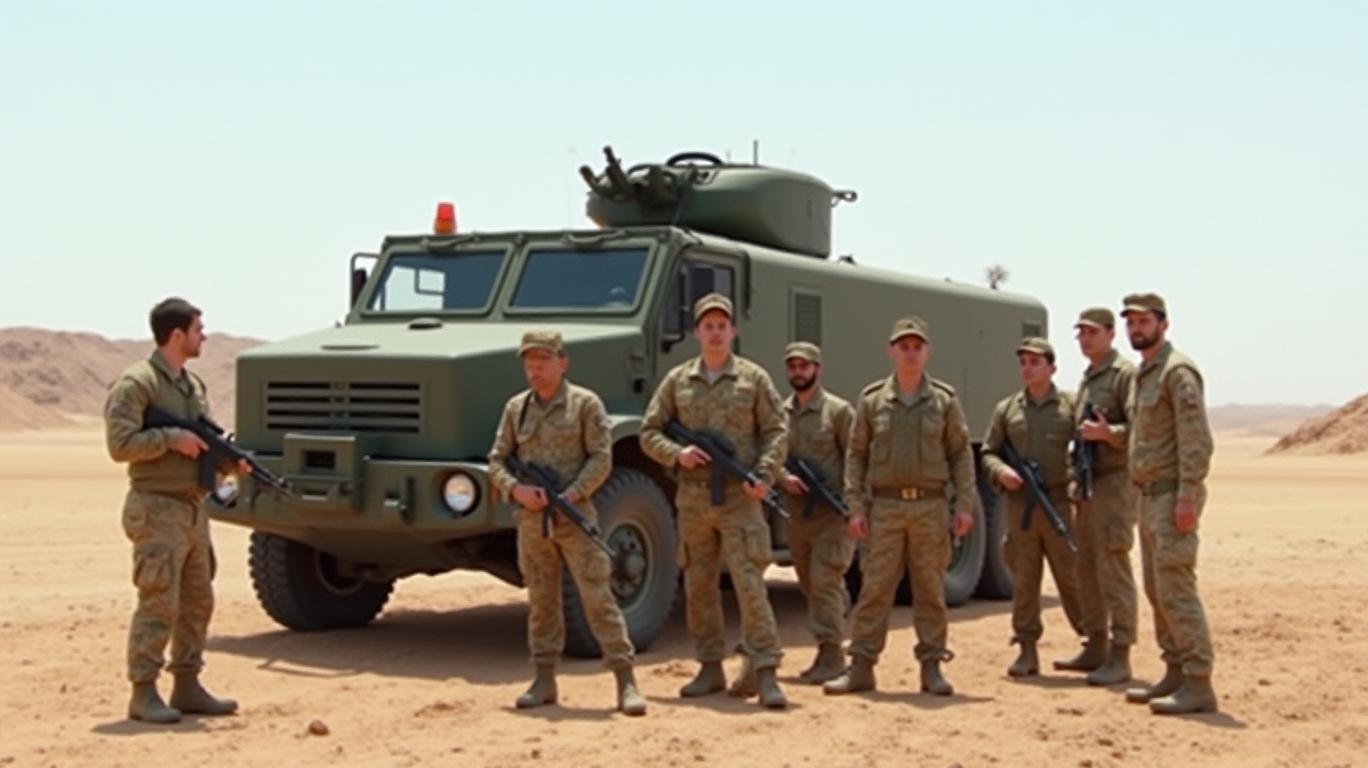
The potential economic implications for Israel of a unified Syria under Islamist rule are significant. A shift in trade and economic relations, reduced access to regional markets, increased military spending, refugee crisis, energy and resource security, and tourism could all be affected. These factors could have a negative impact on Israel's overall economic growth and investment climate.
In conclusion, the rise of Islamist groups in Syria and the geopolitical dynamics between Israel, Turkey, and Russia have significant implications for Israel's security, economic interests, and investment decisions in the region. As Israel braces for the potential unification of Syria under Islamist rule, it must navigate a complex geopolitical landscape to maintain its security and protect its borders.
The fall of Bashar al-Assad and the rise of Islamist groups in Syria, particularly Hayat Tahrir al-Sham (HTS), have raised concerns in Israel about the potential unification of Syria under Islamist rule. This shift in the regional balance of power has significant implications for Israel's security and economic interests, as well as its geopolitical dynamics with Turkey and Russia.
Israel's strategic calculus has been reshaped by the removal of Iran's arc of resistance, which allowed Iran to engage Israel across its borders. With Hezbollah decapitated and depleted in Lebanon, and Iran's resupply land route through Syria gone, Israel has removed a significant threat to its security. However, the uncertainty and potential threat posed by HTS, as well as the implications for regional relations, have led Israel to take proactive military and political measures to secure its borders and maintain regional stability.
The geopolitical dynamic between Israel, Turkey, and Russia significantly influences Israel's investment decisions in Syria and the broader Middle East. Israel is wary of Turkey's support for the new Islamist rulers in Syria, fearing that this could lead to a threat to its borders. This concern has led Israel to lobby the United States to keep Syria weak and decentralized, including allowing Russia to maintain its military bases in the country to counter Turkey's influence.
Israel's interest in preserving Russian military bases in Syria is driven by several strategic considerations, including stability and predictability, deconfliction mechanism, balancing Iran's influence, preventing a power vacuum, diplomatic relations, and regional stability. These factors have led Israel to take control of the demilitarized area between Israel and Syria and to decide to "encourage demographic growth in the Golan," further solidifying its control over the territory.
The potential economic implications for Israel of a unified Syria under Islamist rule are significant. A shift in trade and economic relations, reduced access to regional markets, increased military spending, refugee crisis, energy and resource security, and tourism could all be affected. These factors could have a negative impact on Israel's overall economic growth and investment climate.
In conclusion, the rise of Islamist groups in Syria and the geopolitical dynamics between Israel, Turkey, and Russia have significant implications for Israel's security, economic interests, and investment decisions in the region. As Israel braces for the potential unification of Syria under Islamist rule, it must navigate a complex geopolitical landscape to maintain its security and protect its borders.

Divulgación editorial y transparencia de la IA: Ainvest News utiliza tecnología avanzada de Modelos de Lenguaje Largo (LLM) para sintetizar y analizar datos de mercado en tiempo real. Para garantizar los más altos estándares de integridad, cada artículo se somete a un riguroso proceso de verificación con participación humana.
Mientras la IA asiste en el procesamiento de datos y la redacción inicial, un miembro editorial profesional de Ainvest revisa, verifica y aprueba de forma independiente todo el contenido para garantizar su precisión y cumplimiento con los estándares editoriales de Ainvest Fintech Inc. Esta supervisión humana está diseñada para mitigar las alucinaciones de la IA y garantizar el contexto financiero.
Advertencia sobre inversiones: Este contenido se proporciona únicamente con fines informativos y no constituye asesoramiento profesional de inversión, legal o financiero. Los mercados conllevan riesgos inherentes. Se recomienda a los usuarios que realicen una investigación independiente o consulten a un asesor financiero certificado antes de tomar cualquier decisión. Ainvest Fintech Inc. se exime de toda responsabilidad por las acciones tomadas con base en esta información. ¿Encontró un error? Reportar un problema




Comentarios
Aún no hay comentarios