
Iron Ore Imports Surge as Steel Output Falters: Navigating China's Volatile Metals Market
China's iron ore imports have surged to near-record levels in June 2025, defying the simultaneous decline in domestic steel production—a paradox that underscores the complex interplay of price volatility, inventory strategies, and shifting market dynamics. This divergence presents both risks and opportunities for investors in the commodities and industrial sectors.
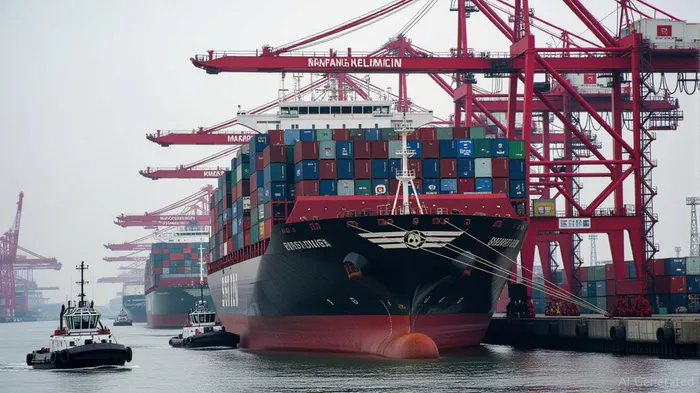
The Paradox of Rising Imports and Falling Steel Production
While China's steel output dropped 6.9% year-on-year in May , iron ore imports jumped 11% month-on-month in June to an estimated 110 million metric tons—nearing the December 2024 record of 112.49 million tons. This trend reflects two key factors:
1. Price-Driven Buying: Iron ore futures fell to an eight-month low of $94.17/ton in mid-June, prompting buyers to capitalize on discounts.
2. Inventory Restocking: Port inventories had hit a 16-month low of 132 million tons in early June, incentivizing strategic purchases to replenish stockpiles.
Exploiting Price Volatility: A Short-Term Opportunity
The drop in iron ore prices—from $107.81/ton in February to $94.17/ton by June—has created a window for investors to position in companies with hedged costs or exposure to low-cost iron ore supply. For example:
- Steel producers with hedging programs (e.g., Baosteel, Hebei Iron & Steel) could benefit from reduced raw material expenses despite weaker demand.
- Mining giants (e.g., Rio TintoRIO--, BHP) might see short-term headwinds from falling prices but could stabilize if Chinese restocking continues into Q3.
Inventory Strategies: A Double-Edged Sword
The June import surge highlights a tactical shift in supply chain management. Steel mills, anticipating further price declines, are stockpiling iron ore while prices are low—a strategy that could backfire if steel demand weakens further.
However, this restocking also signals a long-term bet on eventual demand recovery. If construction activity or infrastructure spending picks up—particularly if Beijing accelerates fiscal stimulus—the pent-up inventory could fuel a rebound in steel production.
Risks and Investment Considerations
- Overstocking Risks: If steel production remains stagnant, elevated imports could lead to oversupply, depressing prices further.
- Trade Barriers: Rising global protectionism (e.g., U.S. tariffs, Indian quotas) limits export-driven growth for Chinese steel, compounding the sector's challenges.
- Policy Uncertainty: Beijing's stance on infrastructure spending and environmental regulations could shift rapidly, altering demand dynamics.
Investment Strategy: Balance Momentum with Caution
- Long Positions: Consider exposure to iron ore miners if June's restocking momentum persists, supported by low prices and inventory rebuilding.
- Short Positions: Target steel stocks (e.g., China's Shougang, Japan's Nippon Steel) if production declines outpace export gains.
- Hedging: Use derivatives to mitigate downside risks from potential price collapses in both iron ore and steel.
Conclusion: A Volatile Dance Between Supply and Demand
The divergence between rising imports and falling steel output is a temporary phenomenon driven by tactical inventory decisions and price cycles. Investors must monitor two critical indicators:
1. Steel Mill Profit Margins: If margins improve due to lower input costs, production could stabilize, justifying higher iron ore imports.
2. Infrastructure Investment Signals: Beijing's fiscal moves will determine whether the current restocking is a blip or the start of a sustained rebound.
In the near term, the volatility in this sector offers tactical opportunities—but investors must remain nimble, as the metals market's equilibrium could shift quickly in 2025.







Comentarios
Aún no hay comentarios