
The iRobot Bankruptcy and the Geopolitical Risks of Foreign Takeovers in Tech
The collapse of iRobot, the once-dominant maker of Roomba robotic vacuums, into Chapter 11 bankruptcy in December 2025 marks a pivotal moment in the intersection of corporate strategy, antitrust policy, and national security. The company's impending acquisition by Shenzhen Picea Robotics, a Chinese firm, has sparked intense debate about the risks of foreign ownership of U.S. technology firms that collect sensitive consumer data. This case underscores a broader dilemma: how to balance antitrust enforcement with the protection of national security in an era of globalized markets and rising geopolitical tensions.
Antitrust Enforcement and Unintended Consequences
The path to iRobot's bankruptcy was shaped by regulatory interventions. In 2024, the U.S. Federal Trade Commission and the European Union blocked a proposed $1.1 billion acquisition of iRobot by AmazonAMZN--, citing antitrust concerns over Amazon's dominance in home automation and e-commerce. While this decision aimed to preserve competition, it inadvertently opened the door for a foreign buyer. Shenzhen Picea Robotics, which had already extended a $100 million loan to iRobot, now stands to acquire the company through a court-supervised bankruptcy process.
 This outcome highlights a critical flaw in antitrust frameworks: they often fail to account for the geopolitical implications of corporate restructuring. By focusing narrowly on market concentration, regulators may overlook the risks of transferring sensitive technologies or data to foreign entities. As one industry analyst noted, "Antitrust laws are designed to protect competition, not national security-but the two are increasingly intertwined in the tech sector."
National Security and Data Privacy Risks
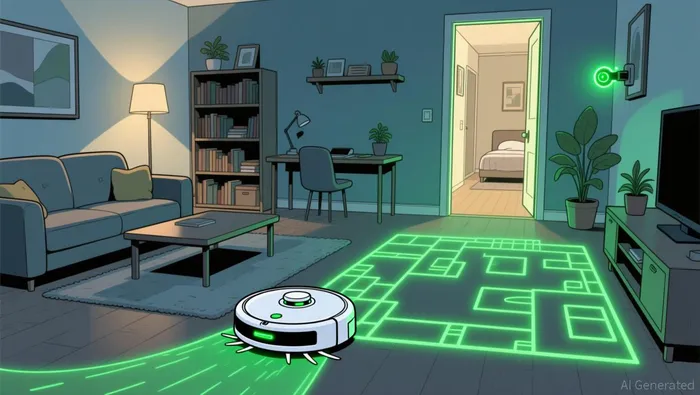
iRobot's devices have long collected detailed data about users' homes, including floor plans, furniture layouts, and even images of private spaces. While this data is currently governed by U.S. and state privacy laws, the company's acquisition by a Chinese firm raises concerns about cross-border data transfers and potential misuse. Chinese companies are subject to laws requiring them to comply with government requests for data, such as the Cybersecurity Law of 2017, which mandates data localization and access for national security purposes.
Critics argue that the deal could create a "data trove" for Chinese authorities, enabling surveillance or intelligence-gathering capabilities. For instance, a Roomba's mapping of a home could reveal the location of safes, security systems, or other sensitive assets. These risks are amplified by the fact that Chinese firms already control 63% of the global robot vacuum market, with competitors like Roborock and Ecovacs leveraging similar data collection practices.
Market Implications and the Role of Wall Street
The iRobot case also reflects a broader trend of Wall Street-driven strategies that prioritize short-term financial gains over long-term innovation. The company, once a pioneer in consumer robotics, has struggled under pressure to deliver consistent profits. Shareholders and creditors, rather than investing in R&D, opted for cost-cutting measures and asset sales, weakening iRobot's competitive position. This financial engineering left the firm vulnerable to bankruptcy and foreign takeovers.
The acquisition by Picea Robotics is emblematic of a pattern in which U.S. tech firms, weakened by short-termism, become acquisition targets for better-capitalized foreign rivals. As one commentator observed, "The real casualty here isn't just iRobot-it's the U.S. tech ecosystem's ability to innovate and compete on its own terms."
A Call for Policy Reassessment
The iRobot bankruptcy underscores the need for a more holistic approach to corporate governance and regulatory oversight. Antitrust agencies must collaborate with national security bodies to assess the risks of foreign takeovers, particularly in sectors involving data collection or critical infrastructure. Similarly, investors and corporate boards should prioritize long-term innovation over quarterly earnings, ensuring that U.S. tech firms remain resilient in the face of global competition.
For now, the Roomba's fate-and the data it has gathered-rests in the hands of a Chinese firm. The case serves as a cautionary tale: in the absence of a coherent strategy to address geopolitical risks, even well-intentioned antitrust policies may inadvertently undermine U.S. technological leadership.





Comentarios
Aún no hay comentarios