
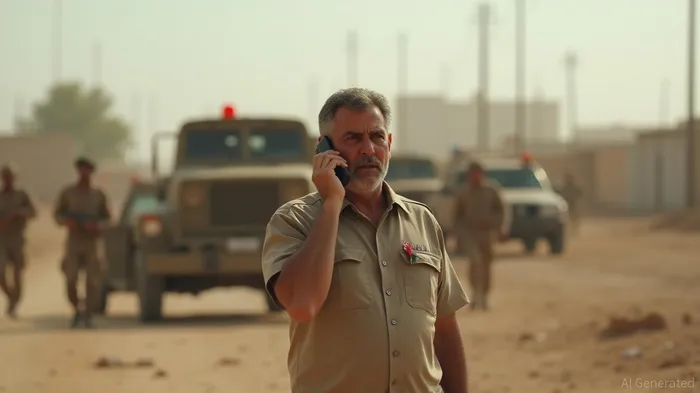
Iraqi: I am in constant contact with my counterparts in the region and have explained the situation, and I know that some of them are not happy and some are angry
Iraqi: I am in constant contact with my counterparts in the region and have explained the situation, and I know that some of them are not happy and some are angry
Iraqi Diplomacy Navigates Regional Tensions Amid Economic Reforms
Iraq’s foreign minister, Fuad Hussein, has emphasized the country’s active engagement with regional counterparts to address escalating tensions, acknowledging that some nations remain dissatisfied with Baghdad’s balancing act between U.S. and Iranian interests according to Iraqi diplomatic reports. This diplomatic outreach coincides with significant economic developments, including renewed U.S. energy investments and efforts to stabilize Iraq’s post-conflict economy.
The energy sector has emerged as a cornerstone of Iraq’s economic strategy. In late 2025, the reopening of the Kurdistan Region’s oil pipeline to Turkey’s Ceyhan port—facilitated by U.S. diplomatic pressure— restored 400,000–450,000 barrels per day of oil exports, benefiting both regional markets and American firms operating in the KRG. Concurrently, Iraq finalized three major oil deals with U.S. companies, including ExxonMobil’s development of the Majnoon field and Chevron’s exploration projects. These agreements reflect Iraq’s improved commercial terms, such as profit-sharing incentives and reduced bureaucratic hurdles, which have attracted 80% of U.S. economic activity in the country.
However, political tensions persist. The Trump administration’s controversial envoy, Thomas Barrack, drew Iraqi ire with remarks criticizing Iraq’s federal system and militia dynamics, complicating diplomatic relations. Meanwhile, the U.S. troop drawdown, slated to conclude in 2026, remains contentious. While Baghdad has assumed control of key bases like Ain al-Asad, Prime Minister Mohammad Shia al-Sudani has delayed full withdrawal, citing security needs along the Iraq-Syria border. This delicate balancing act underscores Iraq’s reliance on U.S. support to counter Iranian-backed militias, which continue to challenge state authority.
Iraq’s recent diplomatic initiatives, including its successful proposal for a regional Ministerial Contact Committee to de-escalate Middle East tensions, highlight its efforts to assert influence amid instability. Yet, internal challenges—such as the retraction of terror designations against Hezbollah and the Houthis— reveal the government’s struggle to align with U.S. priorities while maintaining ties to Iran.
For investors, Iraq’s economic trajectory hinges on sustained political stability, effective energy sector reforms, and the resolution of regional tensions. While U.S. energy partnerships and infrastructure projects signal long-term potential, ongoing diplomatic friction and militia dynamics remain critical risks to economic progress.




Comentarios
Aún no hay comentarios