
Iraq: power grid completely shut down across all provinces
Iraq: power grid completely shut down across all provinces
Iraq’s Nationwide Power Grid Collapse: A Crisis of Infrastructure and Demand
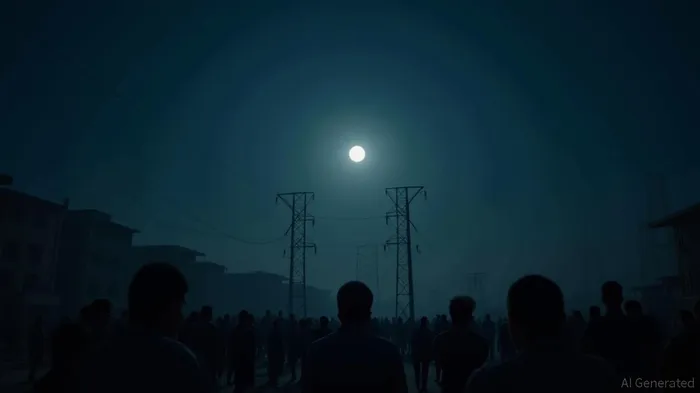
On August 11, 2025, Iraq experienced a complete nationwide power outage as scorching summer temperatures—reaching up to 50°C—pushed electricity demand to unprecedented levels. The outage, triggered by the shutdown of two transmission lines in Babylon and Karbala provinces, resulted in an abrupt loss of over 6,000 megawatts of capacity. The failure occurred amid a surge in demand driven by a record influx of pilgrims and the reliance on energy-intensive cooling systems.
The collapse exposed systemic vulnerabilities in Iraq’s electricity infrastructure. Despite having a theoretical generation capacity of 40,000 MW, the country’s actual output remains far below this threshold, with peak production hovering around 28,000 MW. This shortfall is exacerbated by aging infrastructure, gas flaring, and inefficient fuel use. For instance, Iraq flared 18 billion cubic meters of natural gas in 2023—enough to generate 33 GW of electricity—while burning costly liquid fuels like diesel for power generation.
The outage underscored the country’s reliance on private generators, which supply backup power to households and businesses. These generators, often fueled by diesel, contribute to air pollution and economic inefficiencies, with private operators charging up to $500/month for unreliable service. While the Kurdistan region, with its modernized grid, avoided the blackout, most of Iraq’s population remains dependent on erratic public and private power sources.
The Ministry of Electricity reported efforts to restore power incrementally, with southern provinces like Dhi Qar and Maysan regaining supply by Tuesday. However, the incident highlights the urgent need for structural reforms. Iraq’s electricity sector, plagued by underinvestment, mismanagement, and political instability, struggles to meet growing demand. Regional interconnection projects with Gulf Cooperation Council (GCC) states, Turkey, and Jordan are underway but remain insufficient to address immediate vulnerabilities.
For investors, the crisis underscores the risks of operating in energy markets with fragile infrastructure and geopolitical exposure. Long-term solutions, including tariff reforms, gas flaring reduction, and renewable energy integration, are critical to stabilizing Iraq’s grid and attracting foreign capital. Until these reforms materialize, the country’s power sector will remain a volatile challenge for both domestic and international stakeholders.






Comentarios
Aún no hay comentarios