
Iraq and US Partner to Develop 27GW Power Projects
Generado por agente de IACyrus Cole
jueves, 10 de abril de 2025, 10:44 am ET2 min de lectura
GEV--
In a significant move to bolster Iraq's energy infrastructure and reduce its dependence on Iranian energy imports, the United States and Iraq have signed a series of Memoranda of Understanding (MoUs) to develop 27GW of power projects. These agreements, announced recently, mark a pivotal moment in the strategic partnership between the two nations and align closely with Iraq's broader energy goals.
The MoUs encompass a range of initiatives aimed at enhancing Iraq's energy production capabilities and diversifying its energy sources. The most notable of these is the agreement with GE VernovaGEV-- to develop combined-cycle gas power plants with a combined capacity of 24GW. This project, described as the largest and most modern in Iraq’s history, will secure external financing from international banks, ensuring a stable and self-sufficient energy supply.
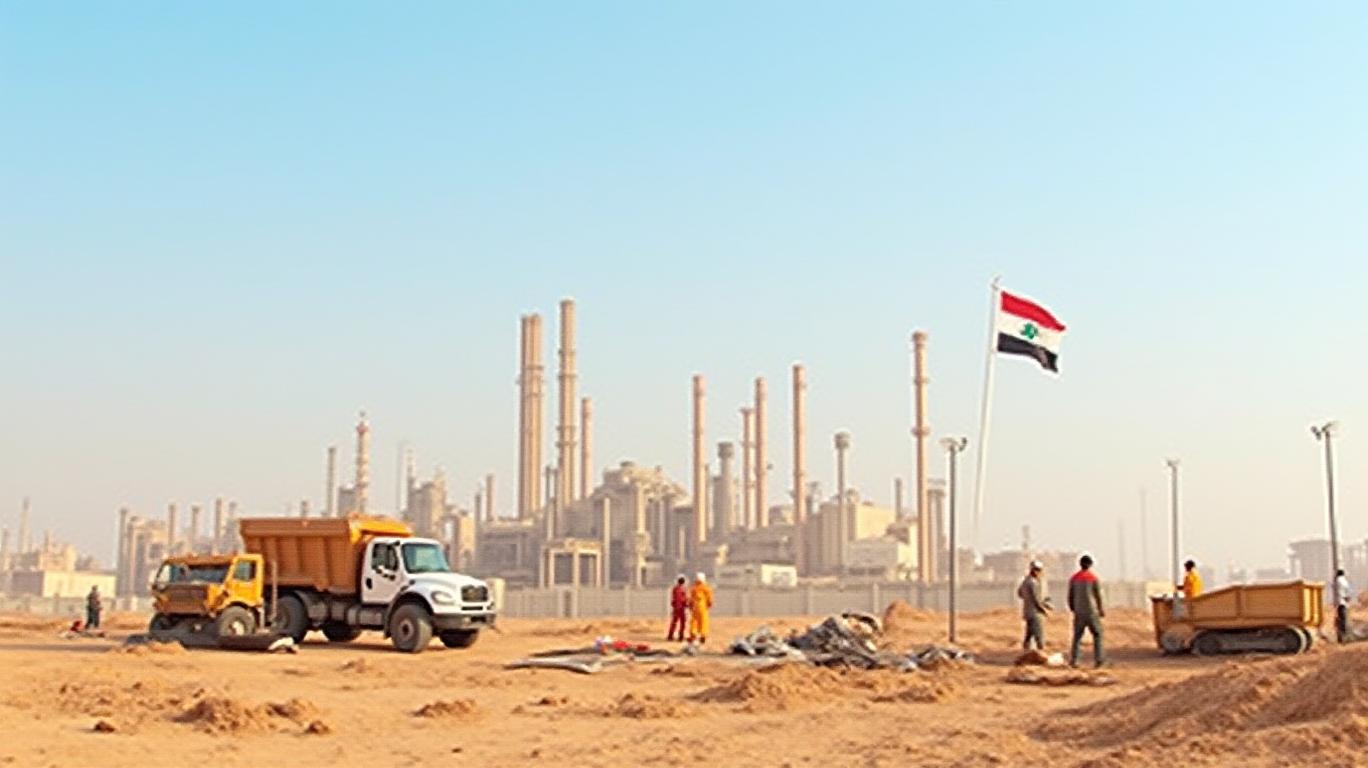
In addition to the gas power plants, the MoUs include a significant investment in renewable energy. UGT Renewables, a US-based company, will develop a 3GW solar energy project in Iraq, complete with battery storage systems of up to 500 megawatt hours (MWh). This initiative also encompasses the modernisation of power transmission and distribution networks and the establishment of up to 1,000km of new high-voltage direct current transmission infrastructure. The project will receive support from the Export-Import Bank of the United States and UK Export Finance, with JP Morgan serving as the lead arranger.
The MoUs also include a two-year programme focused on technology transfer, training, operation, and maintenance, ensuring that Iraq has the necessary expertise to sustain and expand its energy infrastructure in the future. This collaboration is expected to foster private-sector cooperation and support small and medium-sized enterprises, further boosting domestic energy production.
The development of these power projects aligns closely with Iraq's broader energy strategy, particularly its goals to reduce reliance on Iranian energy imports and enhance domestic energy production. Currently, Iran supplies one-third to 40% of Iraq's electricity and gas needs, making the country vulnerable to geopolitical tensions and international sanctions. The non-renewal of the sanctions waiver by the US Department of State in March 2025 could lead to electricity shortages in Iraq, highlighting the urgency of these initiatives.
The MoUs are expected to have significant economic benefits for both the United States and Iraq. For Iraq, the projects aim to improve the business environment through enhancing and diversifying bilateral trade, thereby creating jobs and attracting investment. For the United States, the involvement of US companies in these projects will likely create jobs in the energy sector and related industries, contributing to economic growth.
However, the projects also come with financial and geopolitical risks. The significant investment required for these projects could be challenging for Iraq to manage, and US companies investing in these projects may face potential delays, cost overruns, and political instability in Iraq. Additionally, increased involvement in Iraq's energy sector could draw the US into regional conflicts and geopolitical tensions, potentially straining relations with other countries in the Middle East.
Despite these risks, the development of the 27GW power projects in Iraq presents a significant opportunity to enhance energy security, create jobs, and reduce environmental impacts. The broader geopolitical landscape in the Middle East could be influenced by reduced dependence on Iran, increased US influence, and greater regional cooperation. As Iraq seeks to diversify its energy sources and reduce its reliance on Iranian power imports, these MoUs represent a crucial step towards a more sustainable and self-sufficient energy future.
In a significant move to bolster Iraq's energy infrastructure and reduce its dependence on Iranian energy imports, the United States and Iraq have signed a series of Memoranda of Understanding (MoUs) to develop 27GW of power projects. These agreements, announced recently, mark a pivotal moment in the strategic partnership between the two nations and align closely with Iraq's broader energy goals.
The MoUs encompass a range of initiatives aimed at enhancing Iraq's energy production capabilities and diversifying its energy sources. The most notable of these is the agreement with GE VernovaGEV-- to develop combined-cycle gas power plants with a combined capacity of 24GW. This project, described as the largest and most modern in Iraq’s history, will secure external financing from international banks, ensuring a stable and self-sufficient energy supply.
In addition to the gas power plants, the MoUs include a significant investment in renewable energy. UGT Renewables, a US-based company, will develop a 3GW solar energy project in Iraq, complete with battery storage systems of up to 500 megawatt hours (MWh). This initiative also encompasses the modernisation of power transmission and distribution networks and the establishment of up to 1,000km of new high-voltage direct current transmission infrastructure. The project will receive support from the Export-Import Bank of the United States and UK Export Finance, with JP Morgan serving as the lead arranger.
The MoUs also include a two-year programme focused on technology transfer, training, operation, and maintenance, ensuring that Iraq has the necessary expertise to sustain and expand its energy infrastructure in the future. This collaboration is expected to foster private-sector cooperation and support small and medium-sized enterprises, further boosting domestic energy production.
The development of these power projects aligns closely with Iraq's broader energy strategy, particularly its goals to reduce reliance on Iranian energy imports and enhance domestic energy production. Currently, Iran supplies one-third to 40% of Iraq's electricity and gas needs, making the country vulnerable to geopolitical tensions and international sanctions. The non-renewal of the sanctions waiver by the US Department of State in March 2025 could lead to electricity shortages in Iraq, highlighting the urgency of these initiatives.
The MoUs are expected to have significant economic benefits for both the United States and Iraq. For Iraq, the projects aim to improve the business environment through enhancing and diversifying bilateral trade, thereby creating jobs and attracting investment. For the United States, the involvement of US companies in these projects will likely create jobs in the energy sector and related industries, contributing to economic growth.
However, the projects also come with financial and geopolitical risks. The significant investment required for these projects could be challenging for Iraq to manage, and US companies investing in these projects may face potential delays, cost overruns, and political instability in Iraq. Additionally, increased involvement in Iraq's energy sector could draw the US into regional conflicts and geopolitical tensions, potentially straining relations with other countries in the Middle East.
Despite these risks, the development of the 27GW power projects in Iraq presents a significant opportunity to enhance energy security, create jobs, and reduce environmental impacts. The broader geopolitical landscape in the Middle East could be influenced by reduced dependence on Iran, increased US influence, and greater regional cooperation. As Iraq seeks to diversify its energy sources and reduce its reliance on Iranian power imports, these MoUs represent a crucial step towards a more sustainable and self-sufficient energy future.

Divulgación editorial y transparencia de la IA: Ainvest News utiliza tecnología avanzada de Modelos de Lenguaje Largo (LLM) para sintetizar y analizar datos de mercado en tiempo real. Para garantizar los más altos estándares de integridad, cada artículo se somete a un riguroso proceso de verificación con participación humana.
Mientras la IA asiste en el procesamiento de datos y la redacción inicial, un miembro editorial profesional de Ainvest revisa, verifica y aprueba de forma independiente todo el contenido para garantizar su precisión y cumplimiento con los estándares editoriales de Ainvest Fintech Inc. Esta supervisión humana está diseñada para mitigar las alucinaciones de la IA y garantizar el contexto financiero.
Advertencia sobre inversiones: Este contenido se proporciona únicamente con fines informativos y no constituye asesoramiento profesional de inversión, legal o financiero. Los mercados conllevan riesgos inherentes. Se recomienda a los usuarios que realicen una investigación independiente o consulten a un asesor financiero certificado antes de tomar cualquier decisión. Ainvest Fintech Inc. se exime de toda responsabilidad por las acciones tomadas con base en esta información. ¿Encontró un error? Reportar un problema




Comentarios
Aún no hay comentarios