
Iran Seeks Nuclear Deal, U.S. Deploys Aircraft Carriers
Iran has indicated that a nuclear agreement with the United States is still possible, provided the U.S. objective is to prevent Iran from acquiring nuclear weapons. This statement was made by Iranian Foreign Minister Abbas Araghchi on the social media platform X, where he emphasized that the only viable path to achieving this goal is through diplomatic means based on mutual respect and shared interests.
This development comes at a time when tensions between the U.S. and Iran have been escalating, particularly since the U.S. withdrawal from the 2015 nuclear deal under the Trump administration. The Iranian government has since abandoned all restrictions on its nuclear program and increased its uranium enrichment to 60%.
In a related diplomatic effort, Chinese Foreign Minister Wang Yi met with Iranian Foreign Minister Hossein Amir-Abdollahian in Beijing. Wang Yi underscored the strategic partnership between China and Iran, highlighting their mutual support in political, economic, and resistance against unilateral bullying. This meeting further solidified the deepening relationship between the two nations, which has been a strategic choice for both countries.
The Chinese Foreign Ministry spokesperson reiterated China's stance on the Iran nuclear issue, emphasizing the importance of a political and diplomatic resolution. China supports Russia's efforts in hosting expert-level consultations among China, Russia, and Iran to advance this resolution. The goal is to address the reasonable concerns of all parties, thereby maintaining the international nuclear non-proliferation regime and peace and stability in the Middle East.
On April 25, Trump expressed his willingness to meet directly with Iranian leaders to reach an agreement that would prevent Iran from acquiring nuclear weapons. However, Iranian Foreign Minister Amir-Abdollahian expressed cautious optimism about the prospects of resolving the decades-long nuclear stalemate through negotiations.
The third round of indirect talks between the U.S. and Iran took place in Muscat, Oman, on April 26, 2025, lasting approximately six hours. This round introduced expert-level technical teams for the first time, building on the high-level discussions from the previous two rounds. The next high-level meeting is tentatively scheduled for May 3, 2025.
Amir-Abdollahian noted that the negotiations have entered a more specific technical phase, but significant differences remain between the U.S. and Iran on both macro and detailed issues. Analysts suggest that the primary goal of the talks is to prevent the situation from escalating further, rather than reaching a comprehensive agreement in the short term.
The negotiations were conducted in a serious atmosphere, with Iranian and U.S. representatives in separate rooms and Oman facilitating the exchange of information. The talks are expected to continue for several more weeks as both sides delve into technical and detailed discussions.
Meanwhile, Israeli Prime Minister Benjamin Netanyahu has repeatedly called for the dismantling of all Iranian nuclear facilities, stating that any agreement with Iran must eliminate its uranium enrichment capabilities. Netanyahu compared this to the 2003 agreement with Libya, where Libya agreed to abandon its nuclear, chemical, biological, and missile programs.
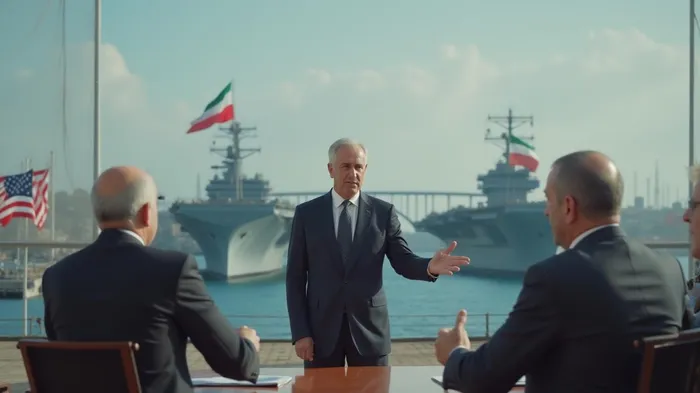
The U.S. has deployed two aircraft carriers, the CVN-75 Harry S. Truman and the CVN-70 Carl Vinson, in the Middle East, along with F-35C Lightning II fighter jets, targeting Houthi rebel positions. This military presence is seen as a clear signal to Iran that the U.S. is prepared to use military force to halt Iran's nuclear research if necessary. The U.S. has publicly warned Iran about the potential consequences of its nuclear activities.







Comentarios
Aún no hay comentarios