
The Iran Nuclear Talks: A Delicate Dance with High Stakes for Global Markets
The third round of U.S.-Iran nuclear talks in Oman in late April 2025 marked a pivotal moment in a tense diplomatic dance. While Iran’s foreign minister, Abbas Araghchi, declared the “process and pace” of negotiations satisfactory, the reality remains fraught with technical disputes, geopolitical posturing, and existential risks for global markets. The stakes are enormous: a deal could unlock billions in economic potential for Iran and stabilize oil markets, while a breakdown might reignite sanctions, military conflict, or both. Here’s how investors should parse the risks and opportunities.
The Core of the Standoff: Enrichment vs. Sanctions
At the heart of the negotiations is Iran’s uranium enrichment program, now advanced to 60% purity—just a technical step from weapons-grade levels. The U.S. demands an immediate halt to all enrichment, while Iran insists its right to enrich is “non-negotiable,” framing the talks as a matter of sovereignty. The Biden administration’s red lines—perpetual restrictions on Iran’s nuclear program and full transparency—clash with Tehran’s vision of a “time-bound” deal that prioritizes sanctions relief over dismantling its capabilities.
The U.S. has also tied the talks to Iran’s missile program and regional activities, demands Tehran rejects as “poison pills.” This ideological impasse reflects deeper fears: Iran’s leadership, wary of a “Libya-style” disarmament trap, and the U.S., which sees Iran’s nuclear advances as a ticking clock.
Market Implications: Oil, Sanctions, and Geopolitical Volatility
The most immediate market impact hinges on whether sanctions are lifted. Iran, with 2 million barrels per day (bpd) of oil kept offline due to U.S. sanctions, could add 1-1.5 million bpd to global markets within months of a deal. This surge would likely push crude prices below $70/barrel—far below the $80-85 range seen in early 2025.
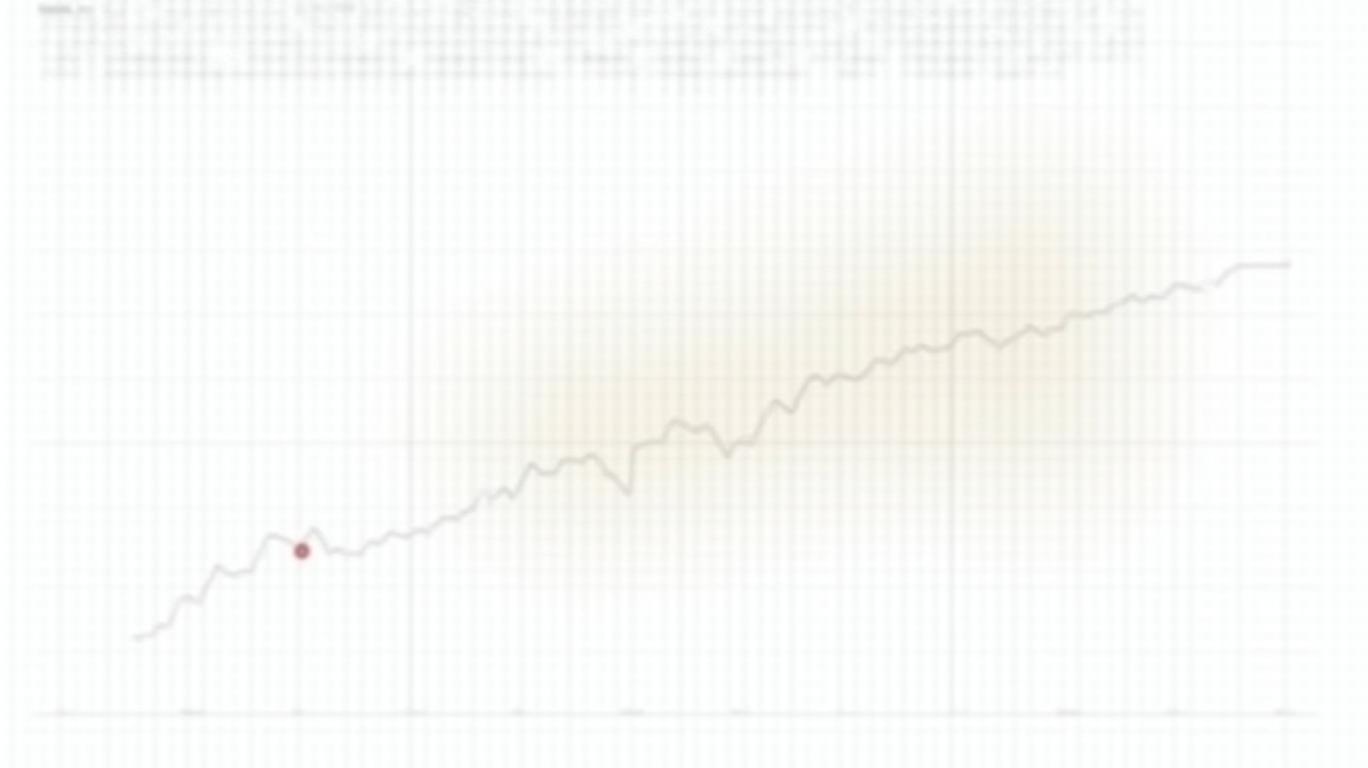
Conversely, a failed deal or military confrontation—especially if Israel strikes Iranian facilities—could send prices soaring. Historical precedent suggests such a scenario: In 2019, fears of a U.S.-Iran war briefly pushed Brent crude to $75/barrel, a 20% spike in weeks.
For energy investors, the calculus is clear: Long oil if talks collapse; short if a deal materializes. Companies like ExxonMobil (XOM) and TotalEnergiesTTE-- (TTE.F), which have pre-sanction ties to Iranian projects, could benefit from renewed access. Meanwhile, defense stocks like Lockheed Martin (LMT) might rally on heightened tensions.
The Clock Is Ticking—And the Clock Is Political
The U.S. has set a May deadline for a deal, but domestic politics complicate the path. While President Trump has expressed cautious optimism, hawkish figures like Secretary of State Marco Rubio are pushing for maximalist demands. A leaked memo from the State Department’s technical team warns that Iran’s enrichment advancements may require “concessions on verification protocols,” a sign of internal U.S. friction.
Meanwhile, Iran’s Supreme Leader Khamenei remains skeptical, citing “U.S. mixed signals” as a reason to doubt compliance. Tehran’s parallel moves—like a $4 billion oil-for-goods deal with Russia—suggest it’s hedging bets, but its economy, contracting at 3% annually due to sanctions, craves relief.
Data-Driven Risks and Opportunities
The market’s pulse is already reacting:
CL=F has fluctuated between $75-$85/barrel since February, dipping to $78 in late April as talks progressed. A sustained drop below $75 would signal investor confidence in a deal.
Exxon (XOM) rose 8% in April on hopes of Iranian oil returns, while Lockheed (LMT) gained 3% amid hawkish rhetoric.
Historical parallels also loom. The 2015 JCPOA led to a 50% drop in oil prices within months as Iranian oil flooded markets—but the 2018 U.S. withdrawal triggered a 20% price spike.
Conclusion: The May 3 Meeting Could Decide Trillions
Investors should treat the May 3-5 round of talks in Oman as a binary event. A deal would:
- Unlock Iran’s oil, potentially adding 1 million bpd to global supply and pushing prices down.
- Lift sanctions on Iranian banks (e.g., Bank Melli), opening doors for trade deals in energy, infrastructure, and consumer goods.
A breakdown would:
- Keep oil prices volatile, with spikes possible if military action ensues.
- Squeeze European firms (e.g., Airbus, Renault) exposed to Iranian contracts.
- Boost defense spending, with U.S. defense stocks like Raytheon (RTX) gaining ground.
The data underscores the urgency: Iran’s oil exports are at a 20-year low ($18 billion annually), while its inflation rate tops 40%. Without a deal, its economy risks further contraction, but the regime may prefer a “partial agreement” to stave off unrest.
For now, hold cash in energy ETFs (XLE) and defense ETFs (ITF), rebalancing based on May’s talks. The world is watching—and so should every serious investor.
This analysis assumes no material changes in geopolitical dynamics. Past performance does not guarantee future results.







Comentarios
Aún no hay comentarios