
Iran gov. responsibilities assigned to specific ministers - IRNA
Iran gov. responsibilities assigned to specific ministers - IRNA
Iran’s Governmental Structure: Ministerial Responsibilities and Governance Framework
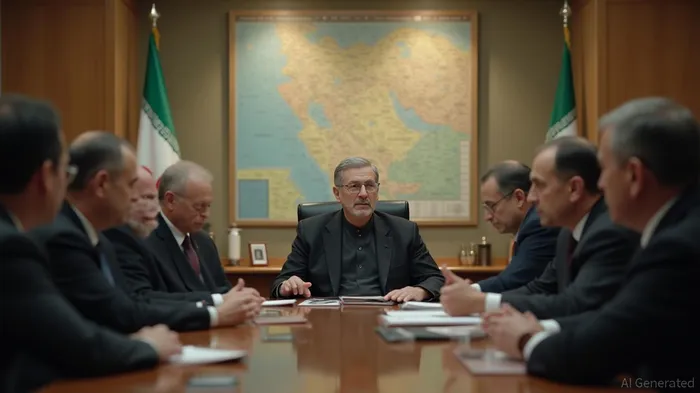
Iran’s government operates under a hybrid system outlined in its 1979 constitution, with executive, legislative, and judicial branches overseen by the Supreme Leader. The president, elected by the public, heads the executive branch and appoints ministers who require parliamentary approval. Each minister oversees specific portfolios, shaping economic and social policies within the framework of Islamic Republic principles.
Key Ministerial Roles
The Ministry of Economic Affairs and Finance manages fiscal policy, budget formulation, and economic planning, critical for addressing inflation and debt challenges. The Ministry of Energy regulates oil, gas, and renewable resources, pivotal to Iran's energy exports and domestic supply. The Ministry of Industry, Mine and Trade drives industrial development and trade policies, balancing domestic production with export strategies.
The Ministry of Foreign Affairs handles international relations, including negotiations on sanctions and regional diplomacy. Meanwhile, the Ministry of Interior oversees local governance, elections, and public administration, ensuring alignment with national priorities. Social welfare and labor policies fall under the Ministry of Cooperatives, Labor and Social Welfare, addressing employment and poverty alleviation.
Governance Constraints
While ministers implement policies, their authority is constrained by the Supreme Leader and the Council of Guardians, which vet laws for compliance with sharia and the constitution. The Expediency Council further mediates disputes between the parliament and judiciary, often favoring conservative interpretations. This structure limits ministerial autonomy, particularly in security and foreign policy, where the Supreme Leader retains ultimate control.
Implications for Economic Policy
The president, as head of government, sets broad economic priorities, but ministers must navigate a complex approval process. Parliamentary oversight and religious vetting mechanisms can delay reforms, affecting investor confidence. Additionally, the Supreme Leader's influence over key institutions, such as the Islamic Revolutionary Guard Corps (IRGC), complicates efforts to centralize economic decision-making.
In summary, Iran's ministerial framework reflects a balance of power designed to preserve theocratic oversight while enabling elected officials to address domestic needs. However, structural constraints underscore the challenges of implementing cohesive economic policies in a system prioritizing ideological alignment.
Government of Iran, 1979 Constitution: PBS Frontline, Critical Threats Analysis






Comentarios
Aún no hay comentarios