
Iran's UN envoy: We are not going to close the Strait of Hormuz, but it is our right to preserve peace and security in the waterway
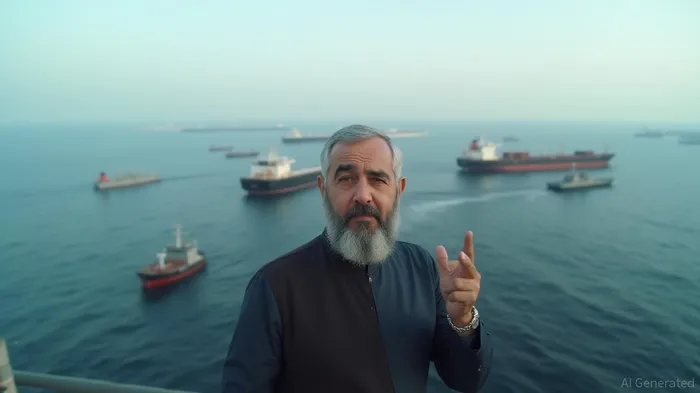
Iran’s UN envoy recently clarified that while the country will not unilaterally close the Strait of Hormuz, it reserves the right to act to ensure peace and security in the critical waterway, a statement aligning with earlier assertions by Iranian officials. The Islamic Revolutionary Guard Corps (IRGC) has reiterated that commercial and military vessels from "hostile countries" such as the U.S., Israel, and their allies will face risks if transiting the strait, while offering unrestricted passage to nations that expel U.S. and Israeli diplomatic representatives. This conditional approach has heightened uncertainty in global shipping and energy markets, with approximately 20% of daily global oil shipments and significant liquefied natural gas (LNG) traffic passing through the narrow channel.
Oil prices have fluctuated amid the tensions, surging to over $116 per barrel in early March before retreating to around $88 as of March 12, 2026, as traders reassessed risks and policymakers explored measures to stabilize markets. U.S. President Donald Trump has warned of severe retaliation against Iran if the strait’s flow of oil is disrupted, while also suggesting potential adjustments to sanctions to ease market pressures. Meanwhile, Saudi Aramco’s CEO highlighted the unprecedented nature of the crisis, noting that prolonged disruptions could destabilize global energy supplies.
Shipping companies have suspended operations in the region, with thousands of vessels rerouting or delaying transits, compounding supply chain challenges. Analysts caution that even short-term disruptions could amplify inflationary pressures, particularly for economies reliant on Middle Eastern oil. Discussions among G7 nations about releasing strategic oil reserves have emerged as a potential short-term mitigation strategy, though experts emphasize that such measures would only partially offset a sustained closure. The situation remains fluid, with geopolitical tensions and economic vulnerabilities intertwined, underscoring the strait’s pivotal role in global trade.






Comentarios
Aún no hay comentarios